“Making The Most Of Every Drop.” Ranchers Talk Water, Drought Resilience
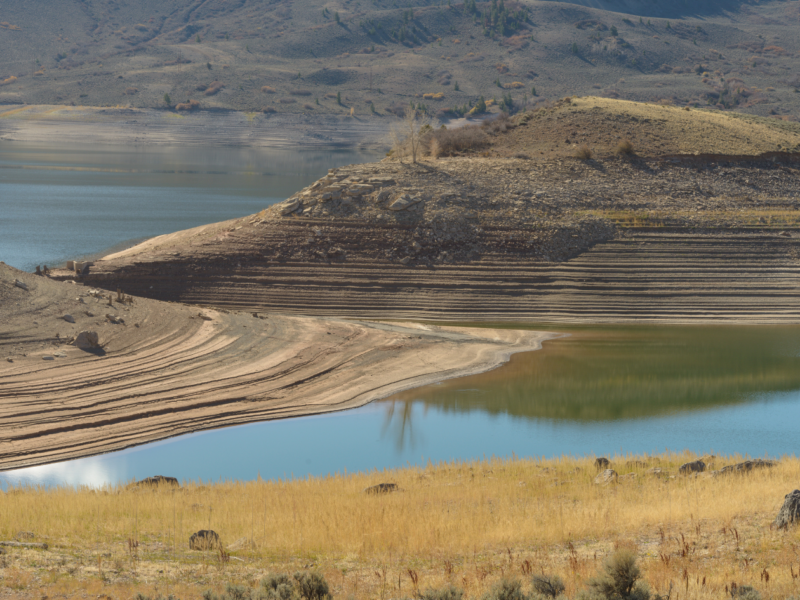
LA GRANDE, OR — The Northeast Oregon Rangeland Summit was a great opportunity for landowners, government officials, and working lands professionals to come together and learn about the issues facing this part of the world together. Hosted by Wallowa Resources and Western Landowners Alliance, the one-day event in La Grande, Oregon took on topics including virtual fencing, rangeland management and livestock operations, drought readiness, and cultivating the next generation of land stewards. Of particular interest to WLA’s water team was the discussion of drought readiness and preparing pastures for hotter and drier times.
These kinds of conversations are important for multiple reasons: it gives a chance for landowners who practice stewardship on working lands to speak about how they think about their land, and it gives an opportunity for government officials—in this case Oregon county watermasters, who are responsible for making sure all water rights are used correctly—to explain how their work interacts with landowner priorities. The landowner perspective was particularly illuminating, as it was a reminder of the long-ranging impacts of drought and how landowners can work together while using less.
Area producers who attended have been impacted by worsening drought conditions over the years. The producers on the panel — Clint Johnson (Warnock Ranches), Mark Butterfield (B&B Ranch), and Mark Kerns (Kerns Rainbow Ranch) — have all been impacted by drought.
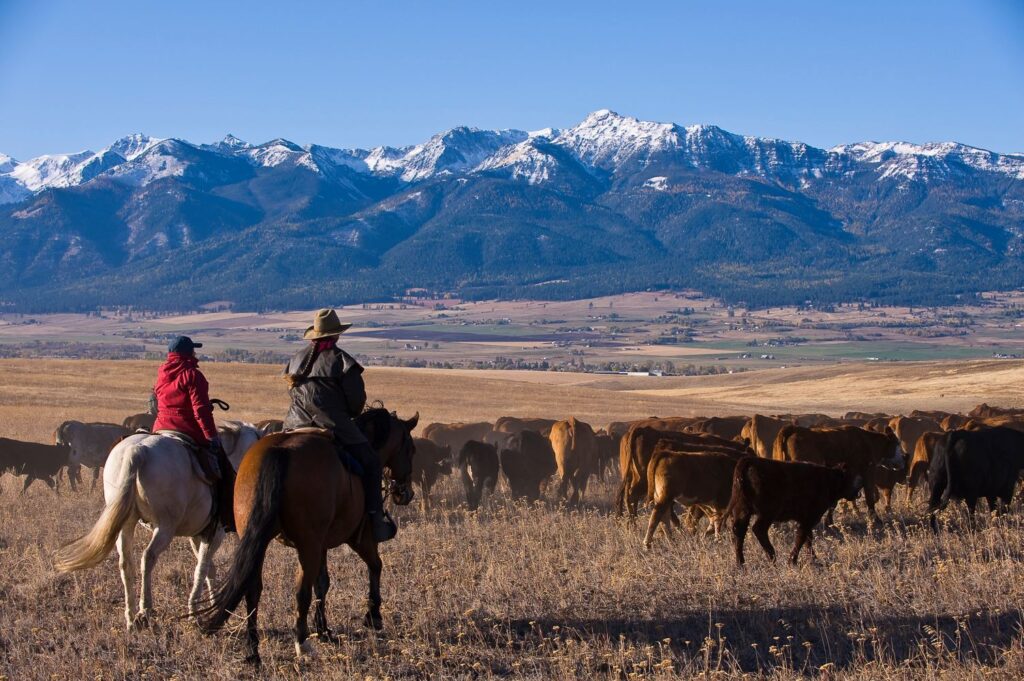
Each producer raises some combination of stock and hay and use irrigation water to make ends meet. But what unites them is their love for the land and for their work raising food. They dove into explaining what drove their reasoning in changing tactics, technology, and techniques to deal with drought.
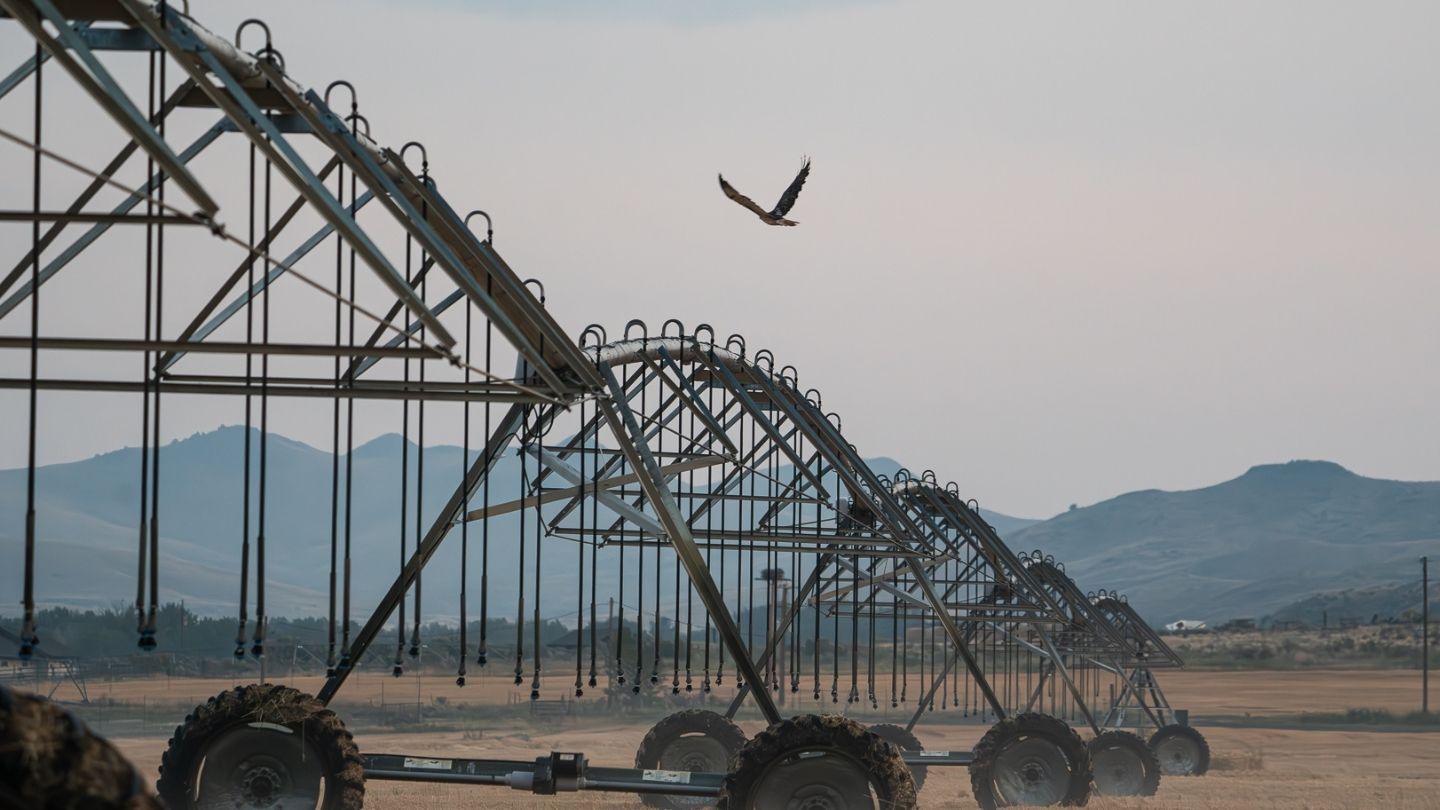
Johnson explained that by installing center pivots on his property, his family had seen a remarkable efficiency boost.
“It’s made a huge difference,” Johnson continued, “We are doing intensive grazing up there, and before [we] had a one-to-two-day grazing period. Now we have more than double the days on feed under the pivots [each] year.”
While there are great benefits to flood irrigation that landowners are aware and make use of, these producers are working to make sure they are balancing efficiency with good stewardship of their land and are always watching to see where those intersect best.
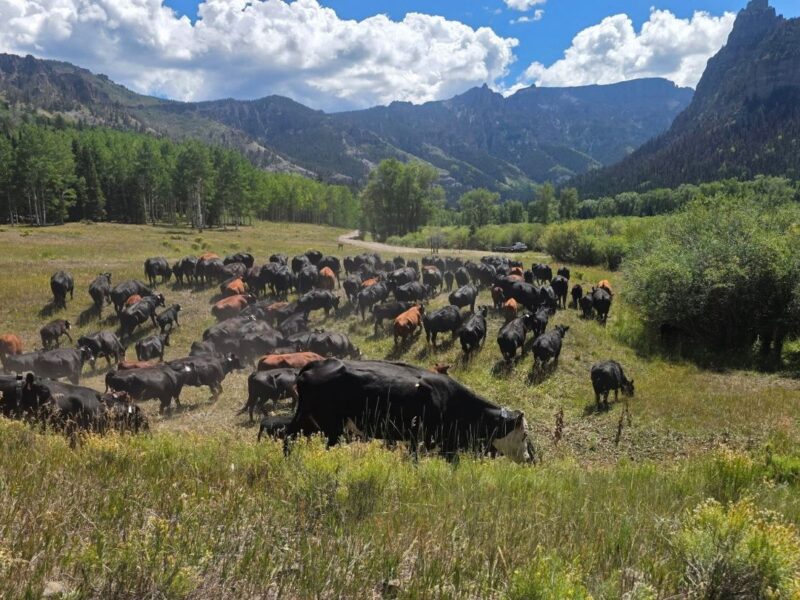
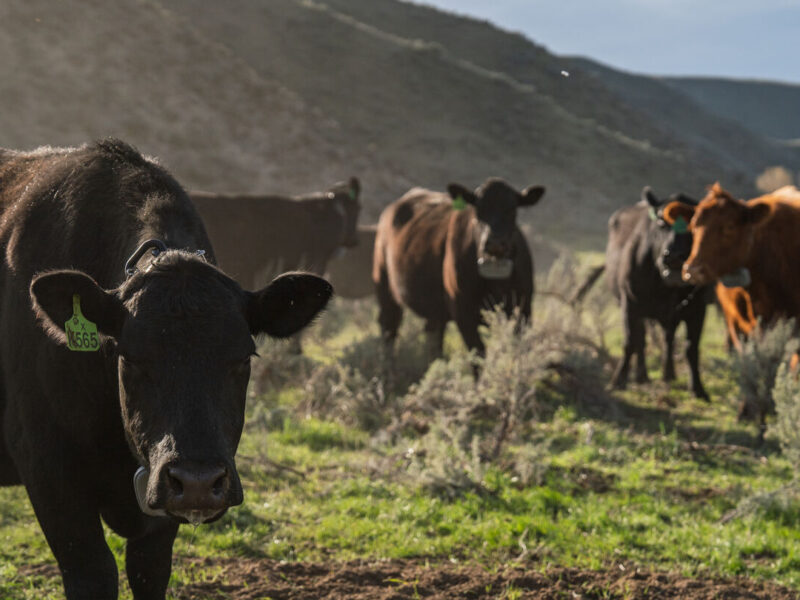
Kerns, whose ranch is partly a cow/calf operation, said the changing climate has pushed their operation to make big modifications to their weaning practices. Making the decision to not irrigate certain pastures in favor of others in order to have the right level of feed for cattle is a key component of the ranch’s production.
“We are allocating our water for what pastures are going to be most productive. Some of that ground might be sacrificed to send [that water] down the ditch into a pasture that is going to produce something,” Kerns said.
Making sure the resource is being put to its highest and best use is why Johnson has been so focused on both his rangeland management and his water management.
“As technology gets better, we are going to get better at spreading the water across the ground and making the most of every drop,”” he said.
Conferences like the Northeast Oregon Rangeland Summit are great opportunities to share producer stories like these. Drought resilience is a community effort and requires community response. Kerns, Butterfield, and Johnson are great examples of how being a good steward of land can pay dividends for a potentially drier future.