Caring for the Little Dolores, headwaters to confluence
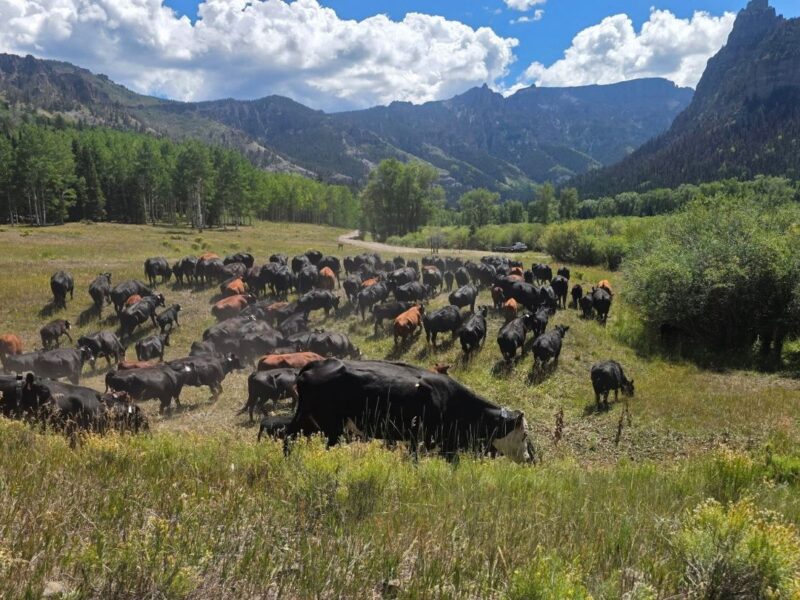
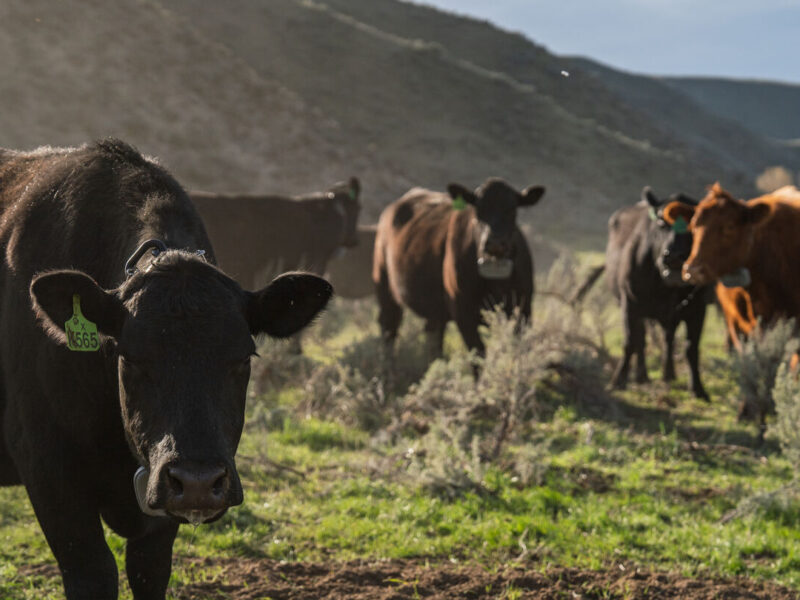
The Mountain Island Ranch straddles the Colorado-Utah border, from high country to canyon bottoms, riparian wetlands and desert, and public and private lands due to classic Western checkerboarding. The ranch has a storied history, including time as a bison ranch, but they now raise grassfed organic beef and outfit for mule deer and elk.
Mary Conover and her family have been instrumental historically in conserving the lands around their ranch, with Conover’s mother helping found the first land trust in the area. Conover and her husband Kenyon Fields are now carrying that torch with restoration of riparian areas and rivers across the ranch.
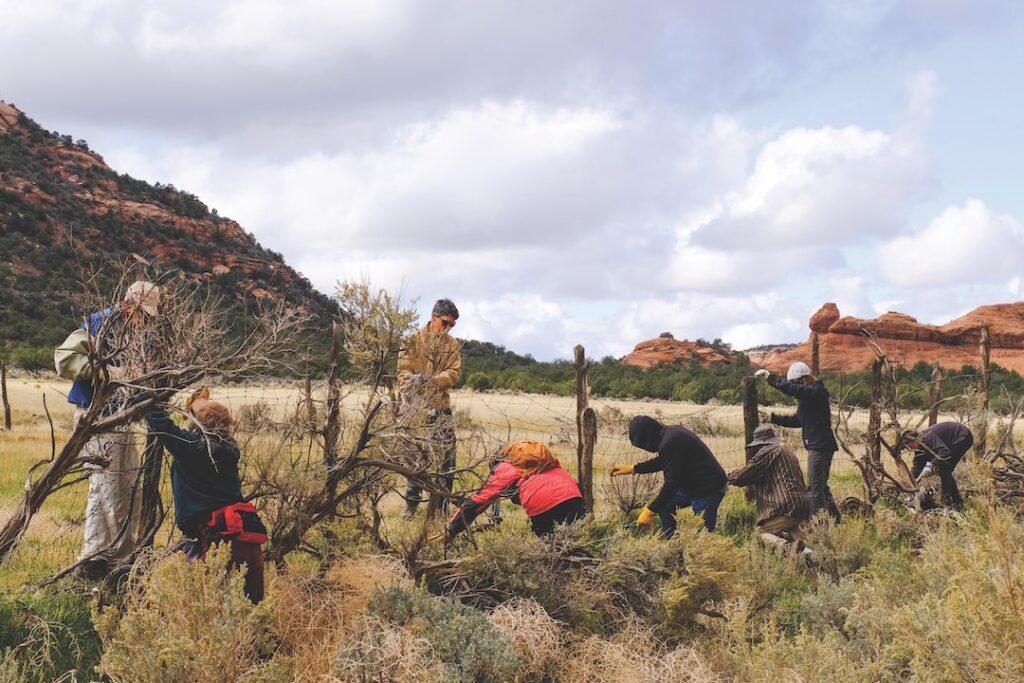
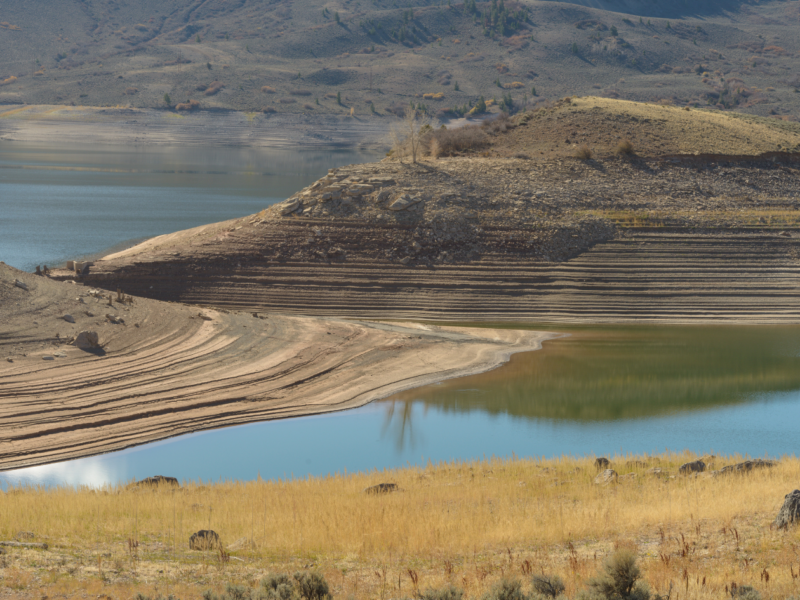
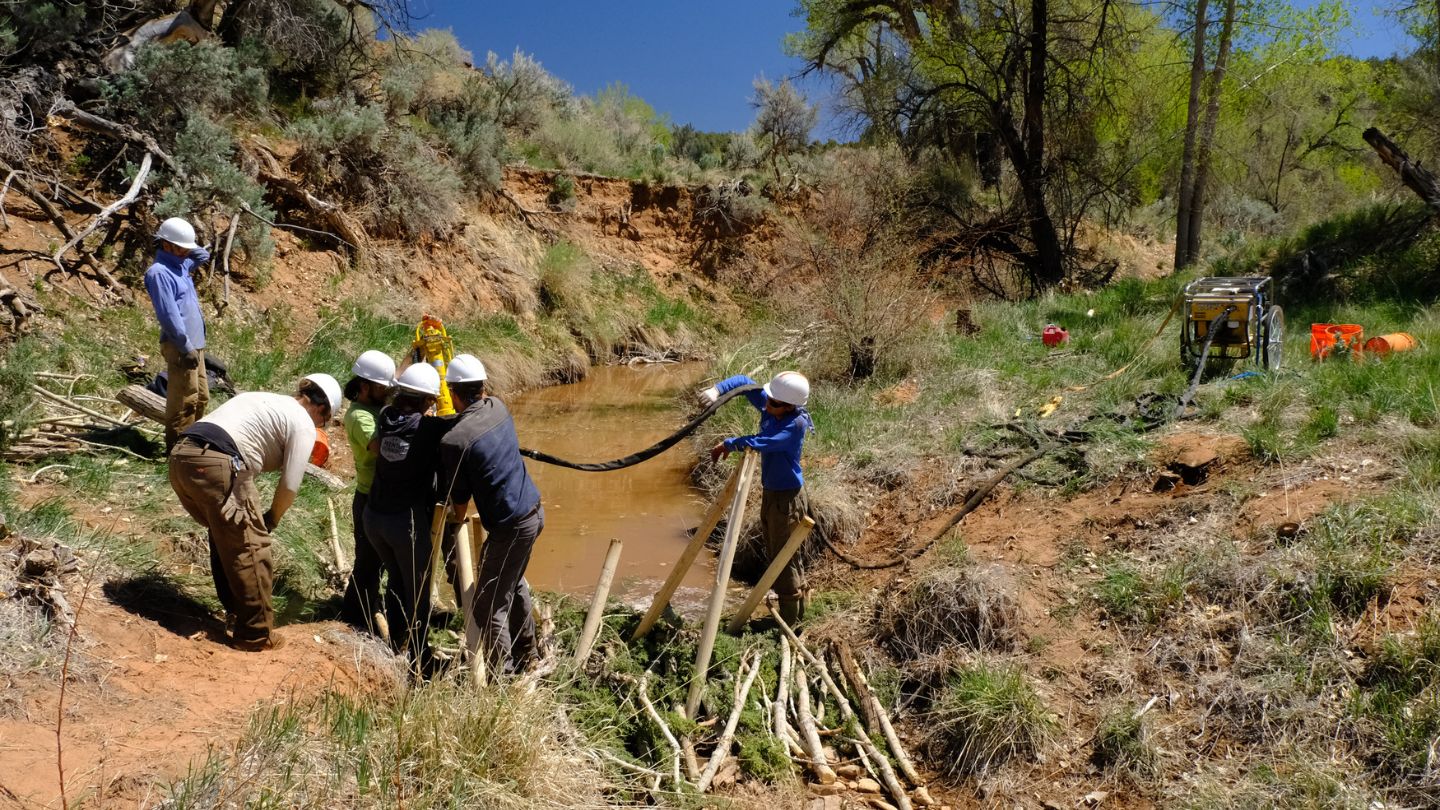
Over the past five years due to 20 years of drought and several years of paltry winters, the Little Dolores has tended to run dry by Memorial Day and does not have flows again until sometime in December. Conover, Fields and family, together with Bureau of Land Management and Utah Conservation Corps crews, have built over 200 beaver dam analogs and post assisted log structures in the past decade to try and keep the stream flowing for more of the year.
Additionally, they have spent tens of thousands of dollars and been hard at work with chainsaws and other tools themselves, to remove “hundreds and hundreds of acres of Russian olive” and plant willows and other native plants, shared Fields. “The cottonwoods just come back on their own if you give them a chance,” he noted.
The river corridor is now retaining more precious snow melt into the summer months and slowing the rapid rush of the—increasingly infrequent—summer monsoon rains. Fields said beavers have even returned to some of the downstream habitat, but dry winters the past two years saw that recolonized habitat dry up.
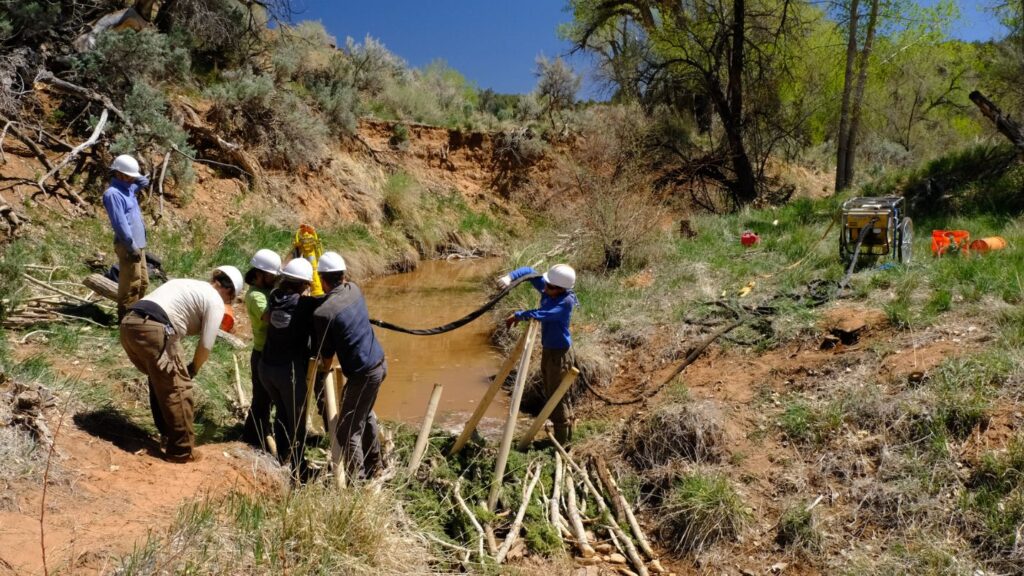
It doesn’t stop there. Higher in the valley, Fields has been doing seeding trials to see which native forb species can outcompete cheatgrass and bulbous bluegrass, invasive species causing problems on the uplands. Even higher on the property, crews built more BDAs to restore wet meadows that were suffering from runoff events that sped water down the mountains, causing channelization and erosion. This is the same part of the ranch where the endangered Gunnison sage grouse has been reintroduced, and where a breeding population now exists.
Why are they doing all this work? Why have Conover and Fields spent tens of thousands per year over the past decade on conservation and restoration?
“Instagram hits,” Fields deadpans, and then gets serious. Their combined interest in ecology and conservation has led the couple to reconsider how their property is best stewarded. Fields, in typically understated fashion, said they are “seeing a lot of changes in the landscape, seeing the land hurting, and thinking about what we can do with this land to help it get through this.”