

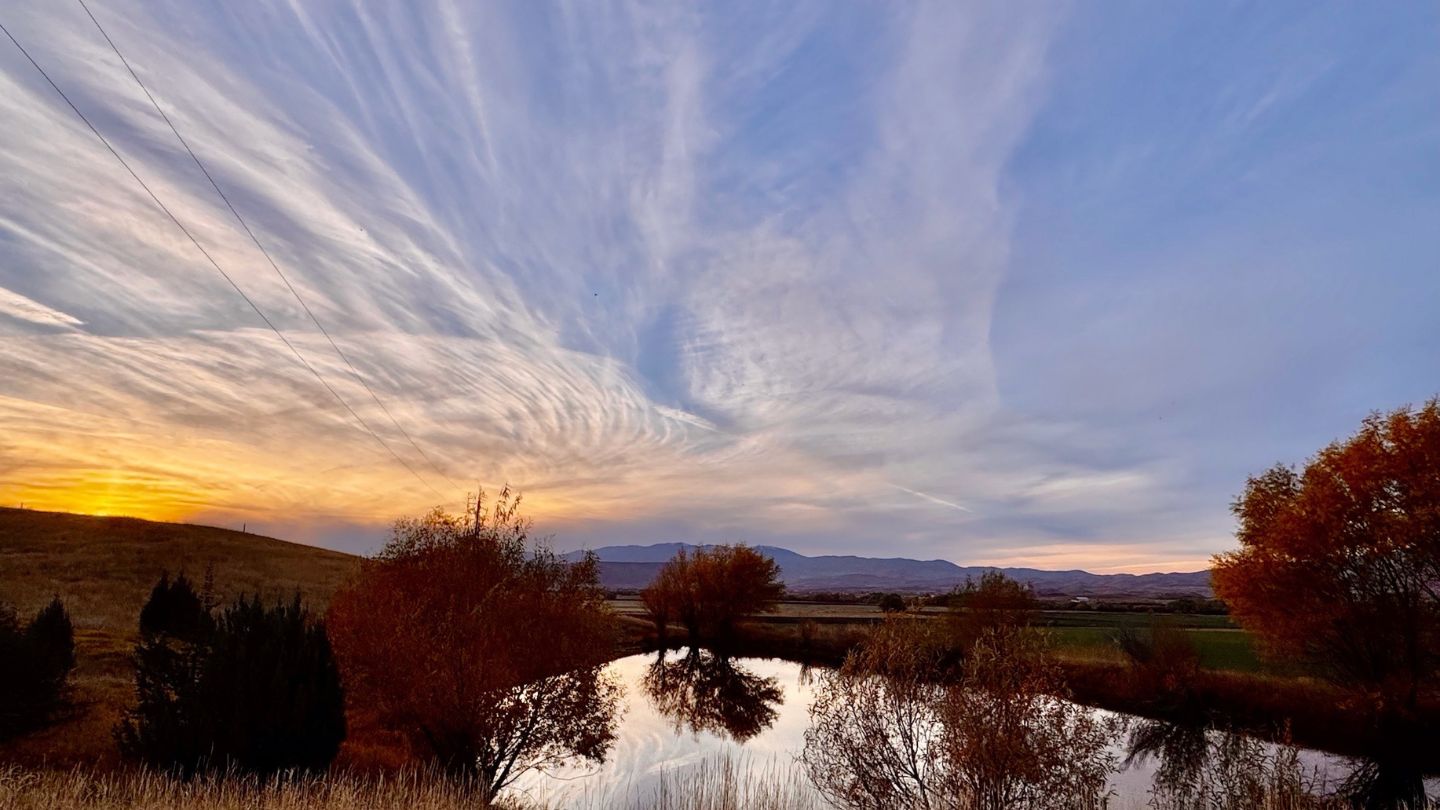
The Idahoans Who Care for Rangelands: Celebrating the International Year of Rangelands and Pastoralists
It’s spring in Idaho. The smell of sagebrush hangs in the air after a light rain. Calves buck and run across fresh green grass. Somewhere in the distance, a fence needs fixing, a plan is changing, and the day is just starting.
For the people who live and work on these landscapes, rangelands are not an abstract concept involving grass stubble heights and tree cover percentages. They are home, livelihood, responsibility, and legacy all at once.
This year, that reality is being recognized on a broader stage. Idaho has joined more than 100 countries and 400 organizations in recognizing the International Year of Rangelands and Pastoralists, with both a gubernatorial proclamation and a senate joint memorial highlighting the importance of these lands and the people who steward them. The International Year of Rangelands and Pastoralists aims to make sure the “economic, environmental and social importance of rangelands, and of pastoralists as their custodians, are fully recognized, rewarded, safeguarded and protected worldwide.”
But to understand what that really means, it helps to start with people on the ground.
The landscape supports us while we support it
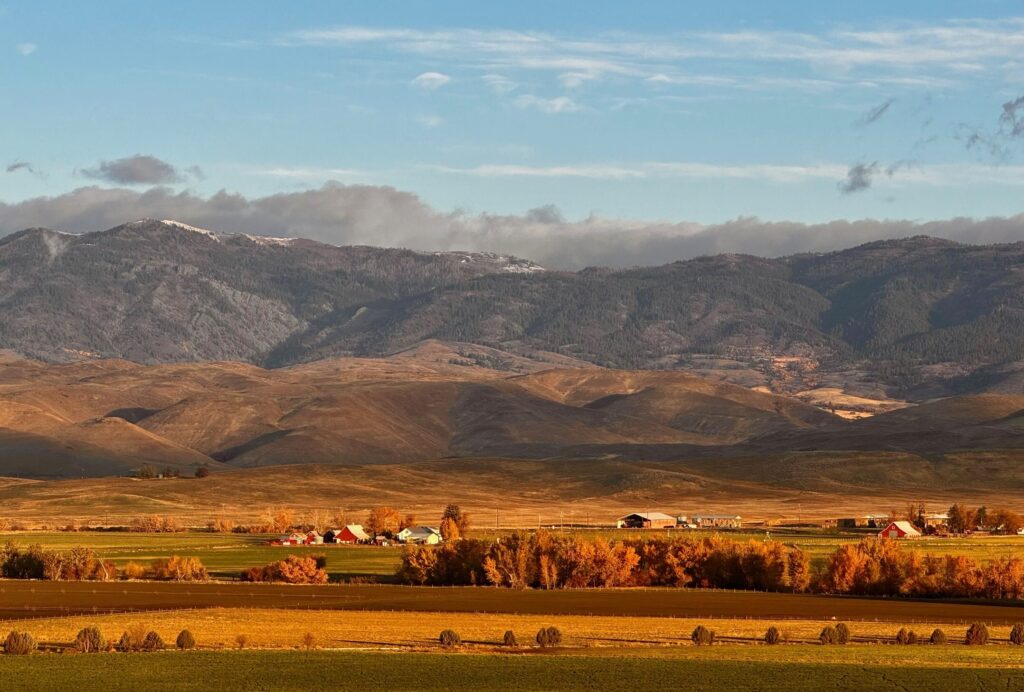
Outside of Cambridge, Idaho, Royce Schwenkfelder looks across a landscape his family has worked for generations. To someone passing by, it might look like open space. To him, it is something far more complex, shaped over time through attention, adaptation, and care.
“I go out in the morning, and you look out to see the sagebrush and how far it stretches,” he said. “There’s green grass growing. I see elk. I see deer. There’s antelope. There’s birds.”
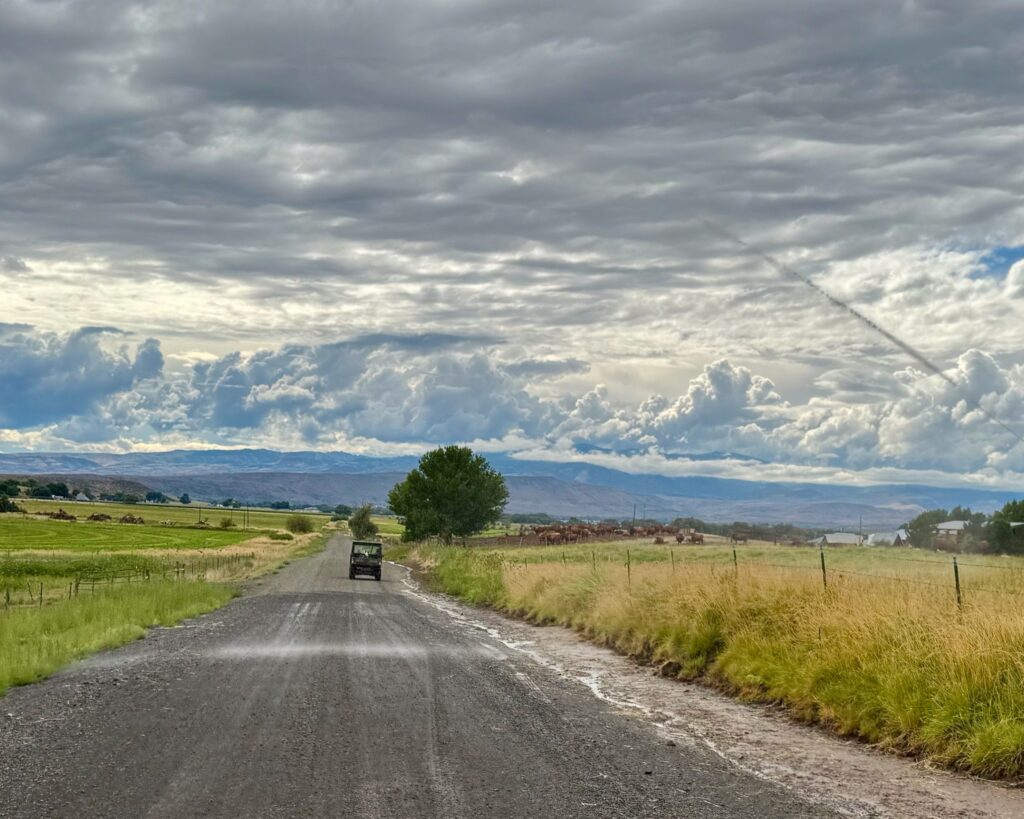
What he sees today reflects years of decisions that are not always visible from the outside.
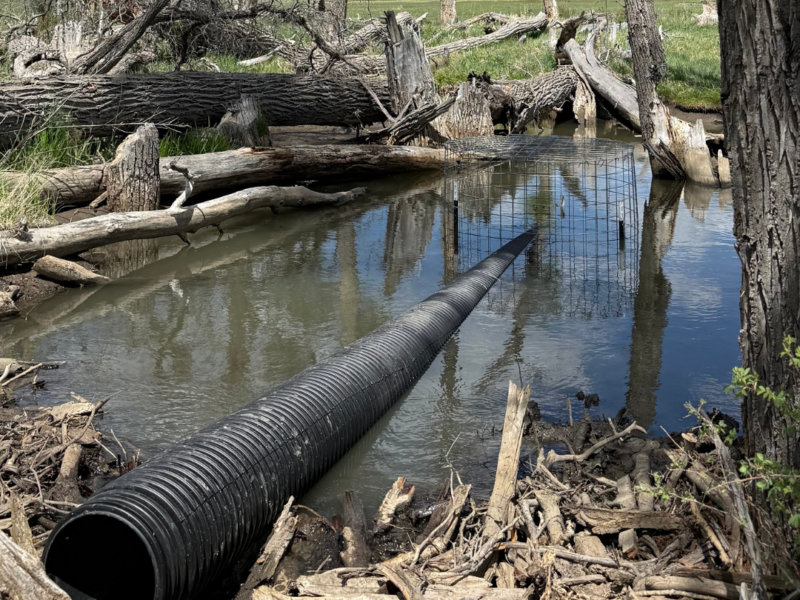
“If ranchers didn’t own these lands, and their agendas didn’t line up with keeping that space open, wildlife would lose,” Royce said. He points to pond developments, water management, grazing practices, and efforts to manage noxious weeds and invasive annual grasses. “We do protect [these lands] just by being here. And we’re not the only ones doing that.”
That kind of outcome doesn’t come from a fixed plan. It comes from working within a system that is constantly changing.
“On a daily basis, our drive around here is to produce a great beef product with the least amount of environmental, water and soil impact, and improve those things while we’re doing it,” Royce said.
These decisions are incremental, often quiet, and easy to overlook. Over time, they shape what the land can support.
“These [projects] really benefit us,” he said. “And it makes me feel better because this whole outfit is going to look different because we owned it.”
The result is a landscape that reflects both use and care, where production and stewardship are part of the same system.
The long view
For Laurie Lickley, rangelands are inseparable from time.
Her family’s roots in Idaho stretch back more than a century, and her work today reflects both that history and the need to adapt to a changing future. The operation she and her husband, Bill, run today looks different than it did decades ago, shaped by new approaches to grazing, shifting markets, and the realities of modern agriculture.
“Our goal has been to continue to make improvements and necessary changes so that the ranching enterprise will still be viable for many years to come,” she said.
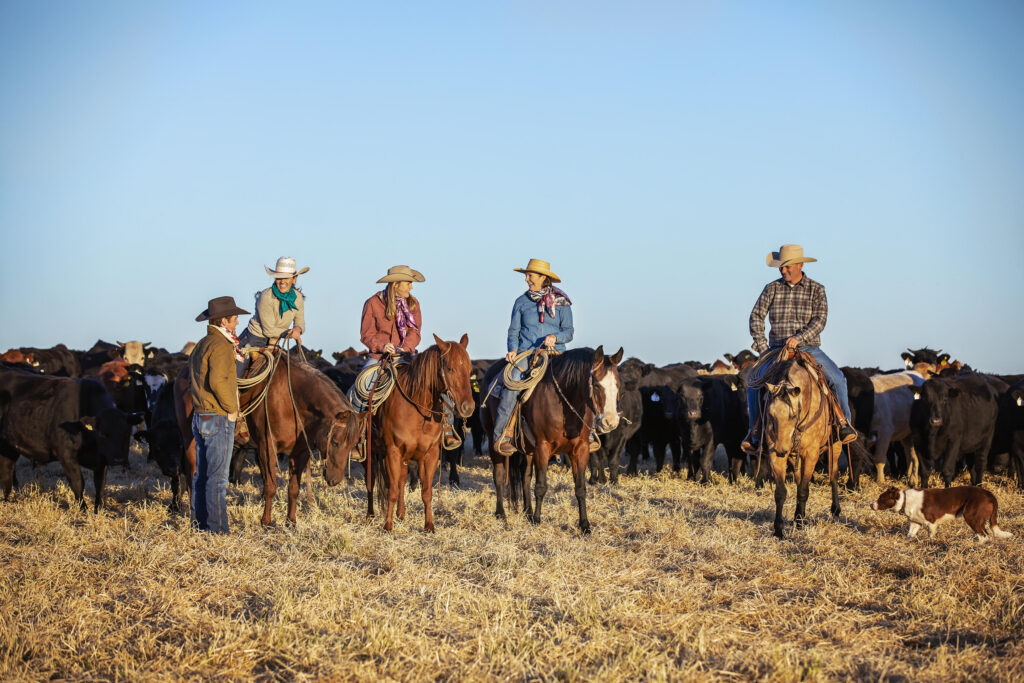
That commitment requires flexibility, but it is grounded in a clear purpose. The goal is to ensure that the land continues to support both people and the systems that depend on it.
“I think change is inevitable,” she said. “If we don’t grow, we really do cease to exist. But our job is to preserve and protect it so our children have the opportunity.”
That opportunity is not just economic. It is personal, tied to kin, place, culture and a sense of responsibility that extends beyond the present.
“We’re really just borrowing (the land) from the next generation,” she said. “We’ve been very intentional about making sure that we’re creating a legacy of opportunity and not a legacy of burden.”
From that perspective, rangelands are not simply resources to be used. They are systems that require ongoing care.
“We have the ability to take a natural resource, like grass on our rangelands, and convert it into high-quality protein while we’re taking care of the environment,” Laurie said.
It is a balance that plays out over time, shaped by decisions about how land is used, how water is managed, and how both good years and difficult ones are navigated. For Laurie, that is what stewardship is; not a single action, but an ongoing commitment.
“If we don’t take care of this water or this landscape, it’s not going to be here,” she said.
Recognition for the Range and its Stewards
For many people, rangelands remain easy to overlook. They are often seen from afar without the context of what it takes to maintain them. But Idaho’s recognition of the International Year of Rangelands and Pastoralists reflects a growing awareness of the critical role these landscapes play in much larger systems.
“I think it’s important that we collectively work together,” Laurie said. “[We all] need to recognize how critical it is that we take care of this resource.”
Rangelands cover over 28 million acres of Idaho. They support food production, provide wildlife habitat, sustain rural economies, and maintain the open spaces that define much of the West.
At the same time, the landscapes are under tremendous pressure.
They are “turning into asphalt and roads,” Royce worried. And yet, those same landscapes are part of what draws people to places like Idaho.
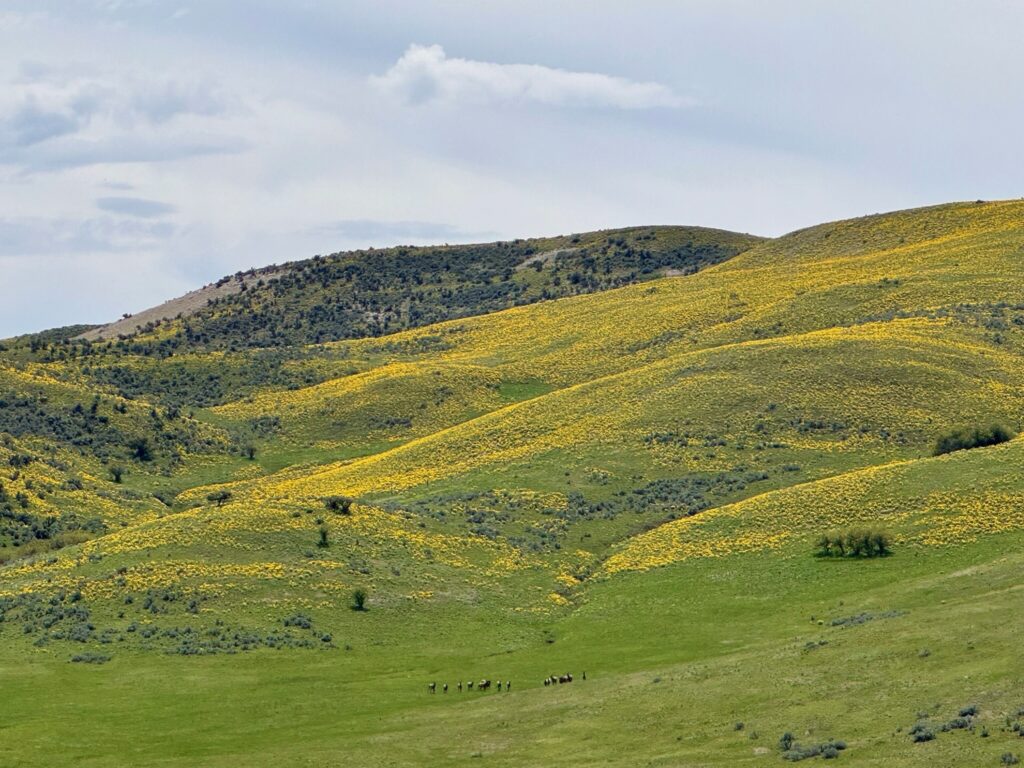
“People love open spaces,” he said. “Those spaces are rangelands.”
That connection is not always obvious, but it is central to understanding the value of these lands. To someone unfamiliar with ranching, the roles rangelands play, food production, wildlife habitat, and environmental stewardship, all of these can seem like conflicting priorities. On the ground, landowners stewarding these places know they are deeply connected, shaped by people making daily decisions about how to use the land without exhausting it.
And that work, often unseen, is what keeps these landscapes functioning today and into the future.

Sorry, the comment form is closed at this time.
Anonymous
It’s a shame you don’t have a donate button! I’d without a doubt donate to this excellent blog!
I guess for now i’ll settle for bookmarking and adding your RSS feed to my Google account.
I look forward to new updates and will talk about this site with my Facebook
group. Talk soon!