


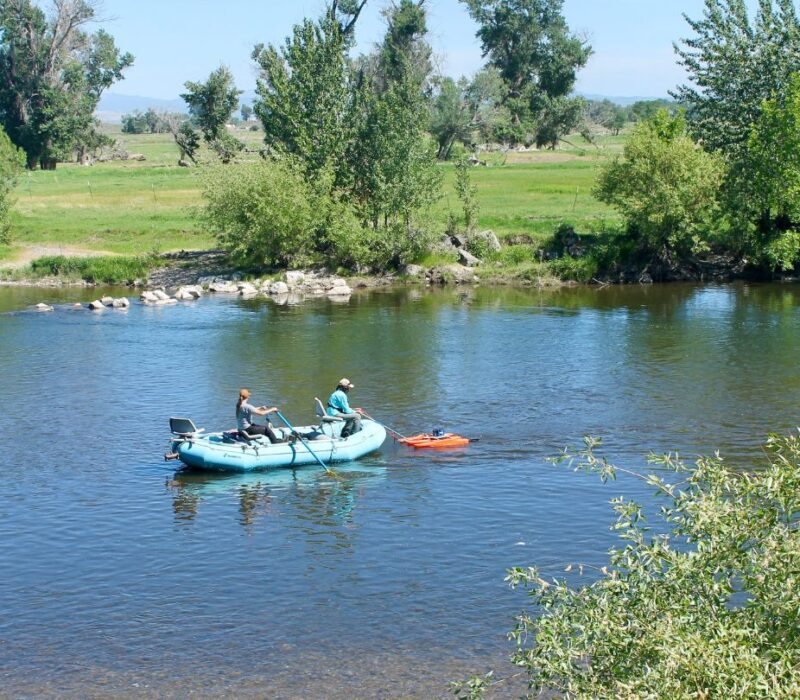
Science! Fish! Irrigation! with the Henrys Fork Foundation
In today’s episode, we talked with three HFF science team members about how science, landowners, and conservation can work together. Thanks to Dr. Rob Van Kirk, HFF’s science and technology
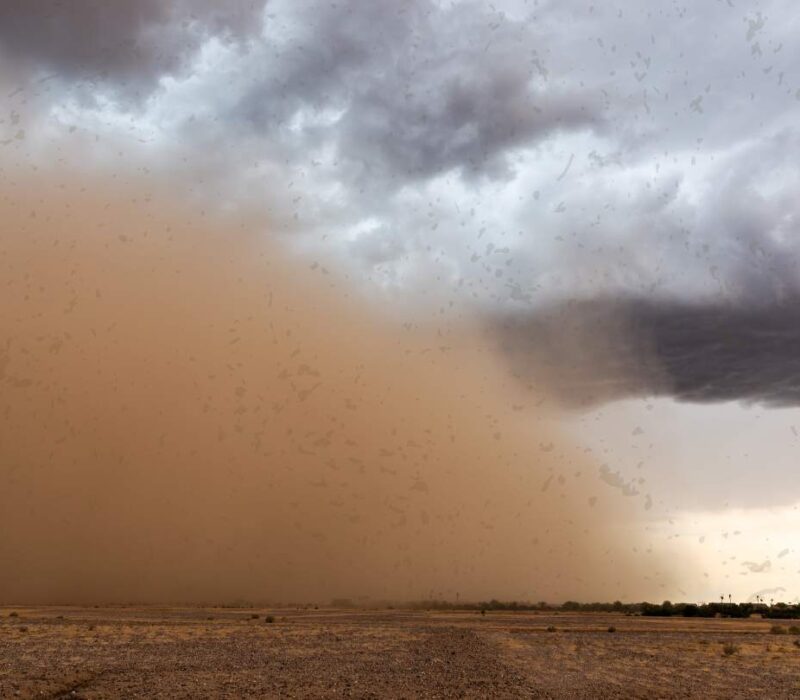
One In A Thousand: Drought Strikes Colorado River Basin
The western United States should be emerging from the icy grips of winter, but this year sun tans are emerging early and wildflowers are confused because this year, there was practically
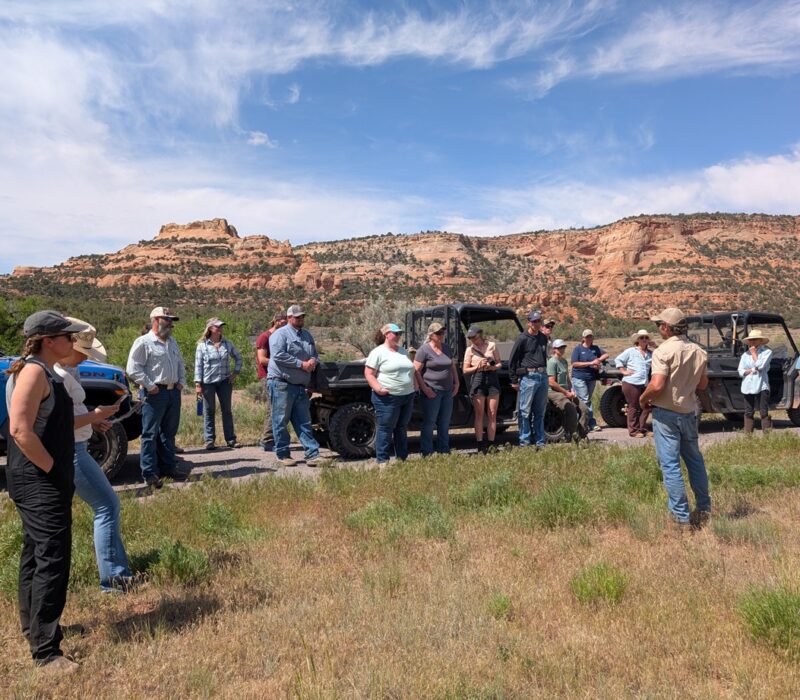
“If Lake Powell Was a Ranch:” WLA’s Field Day at Mountain Island Ranch
MOUNTAIN ISLAND RANCH, CO — After no snow and unseasonably warm temperatures this winter, the effects of drought could be seen everywhere at Mountain Island Ranch. But clever construction and
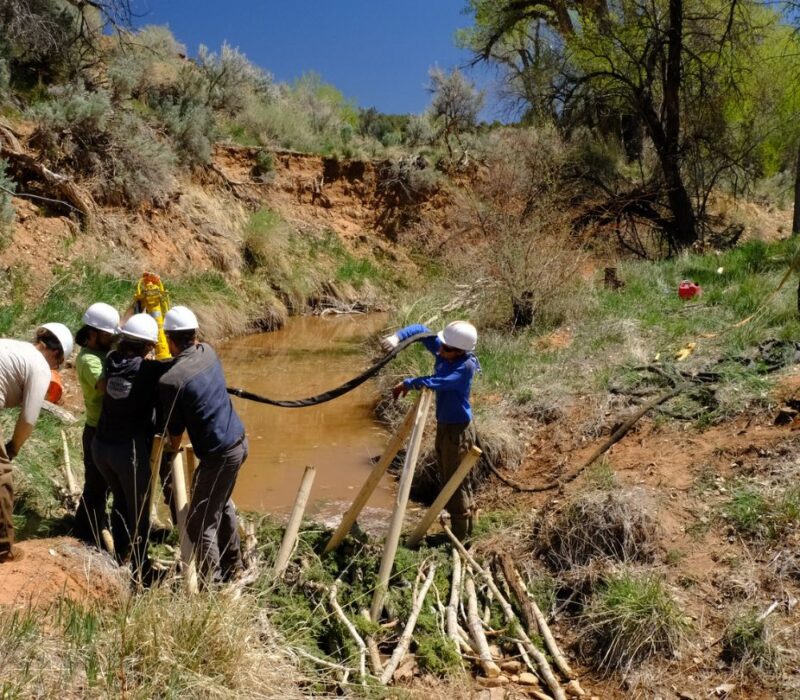
Caring for the Little Dolores, headwaters to confluence
The Mountain Island Ranch straddles the Colorado-Utah border, from high country to canyon bottoms, riparian wetlands and desert, and public and private lands due to classic Western checkerboarding. The ranch
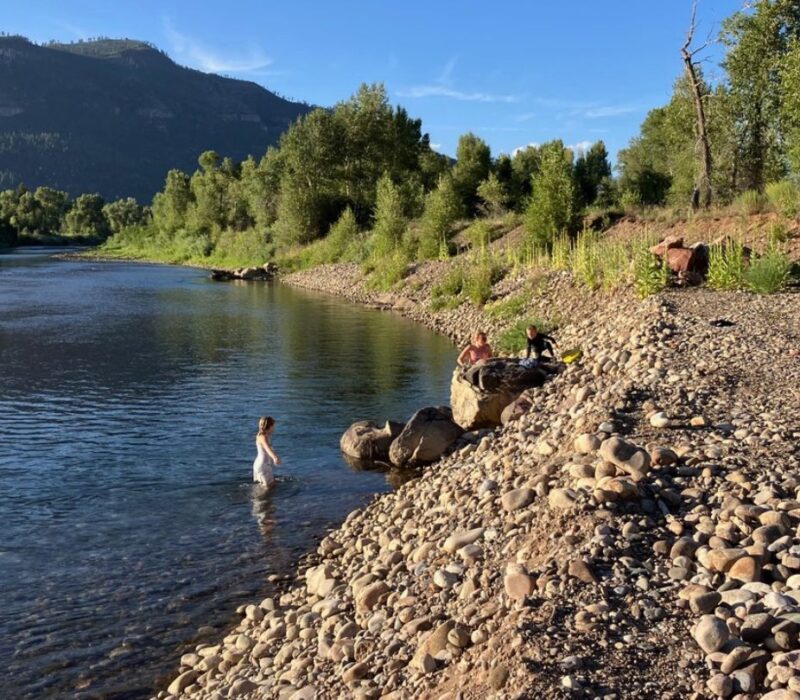
Re-restoring the Animas after a post-fire flood
When erosion-control solutions designed and funded by the NRCS washed away in a flood, Dave Koeberle stepped in with $60,000 of his own money to rebuild and improve the structure. In
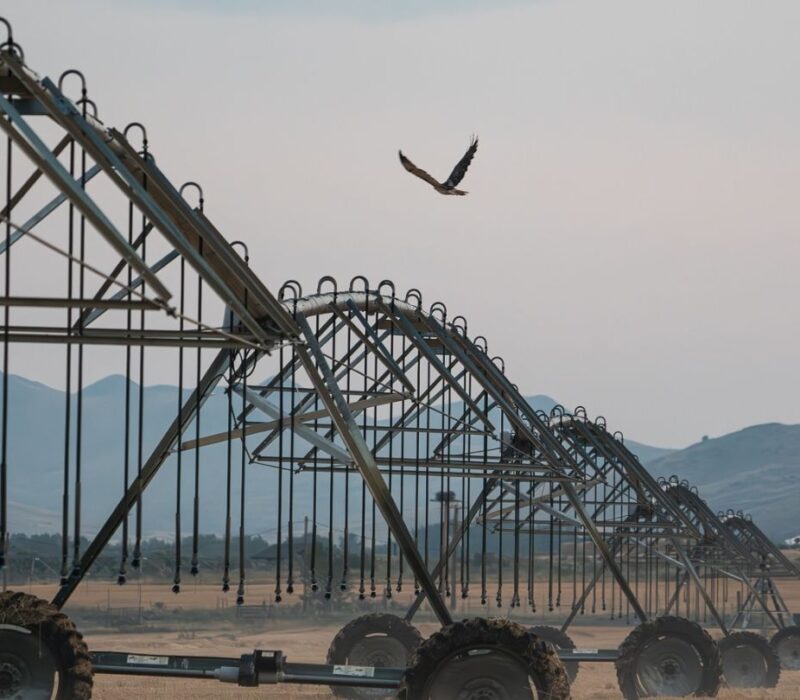
“Making The Most Of Every Drop.” Ranchers Talk Water, Drought Resilience
LA GRANDE, OR — The Northeast Oregon Rangeland Summit was a great opportunity for landowners, government officials, and working lands professionals to come together and learn about the issues facing
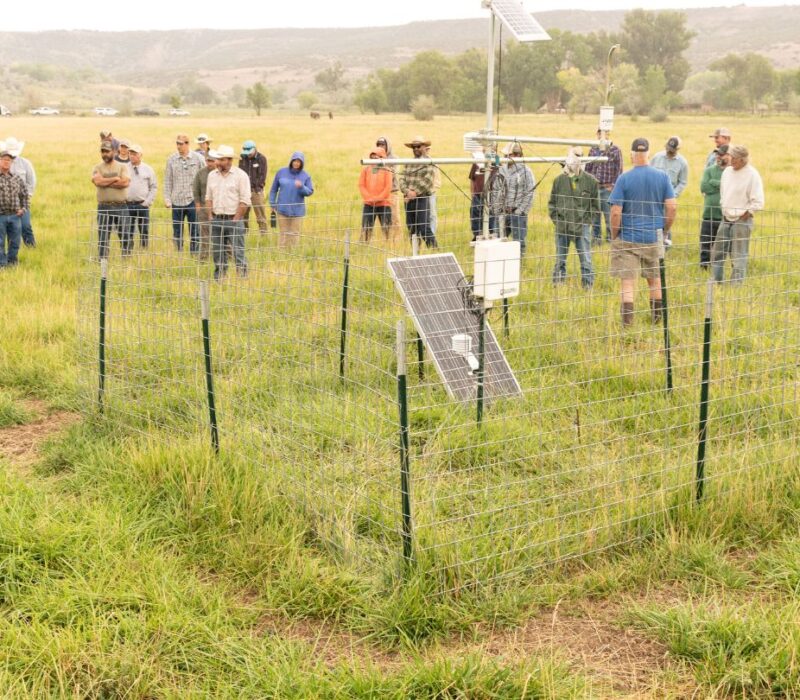
What’s Going on Down There? Satellites, Irrigation, and Science with Perry Cabot
Perry Cabot is using cutting-edge science to understand evapotranspiration rates and how farmers and ranchers can adapt to drought in a drier West.
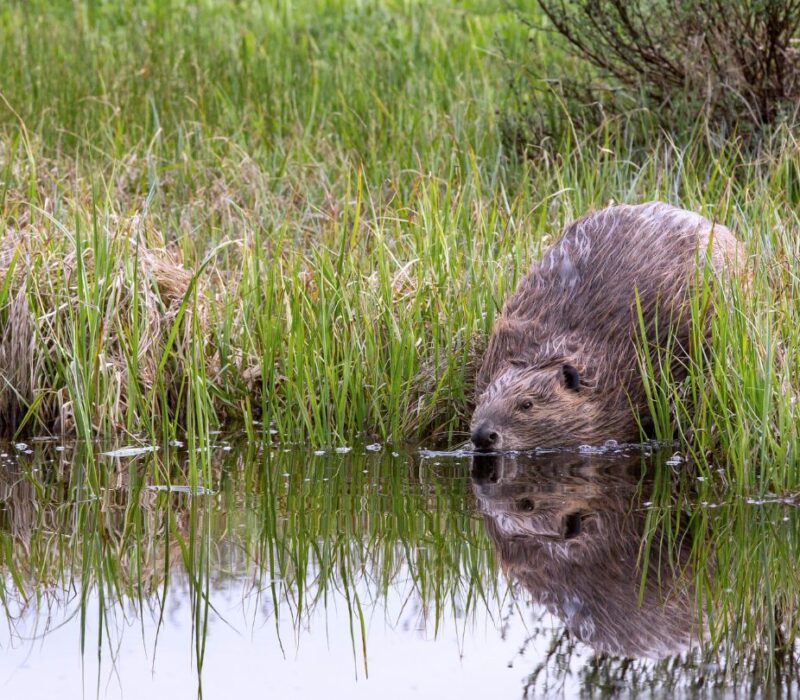
A Bar of Soap, an Onion Bag, and One Smart Beaver Deterrent
During a recent “Bringing Water Back to the Land” webinar, panelist Chris King dropped one of the more unusual steward tips we have heard of into the conversation in regard
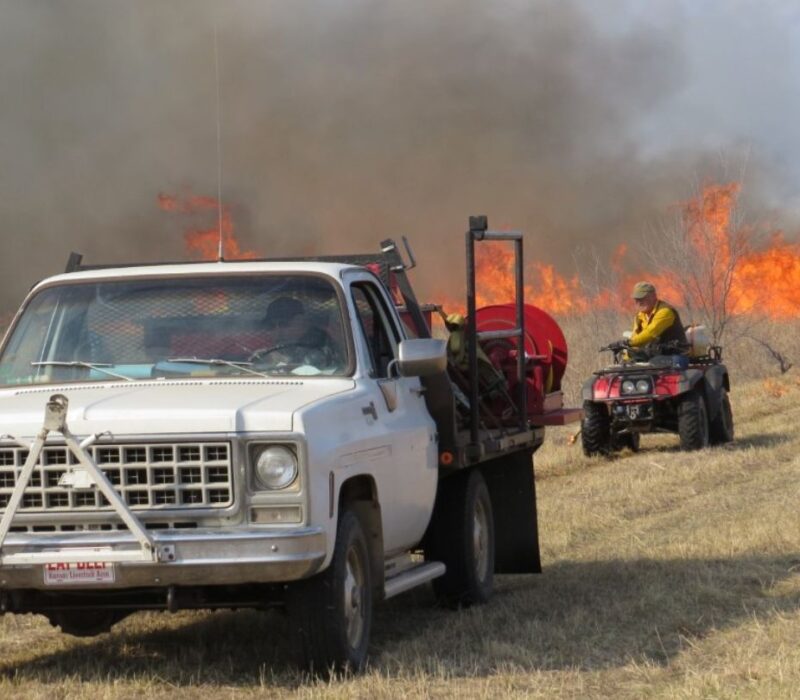
Cade Rensink: Fire is an investment in healthy prairie
Marty Robbins’s “Prairie Fire,” a rollicking, anxious country ballad, describes the fear these huge blazes struck into the hearts of cowboys: fires so big they went from horizon to horizon.
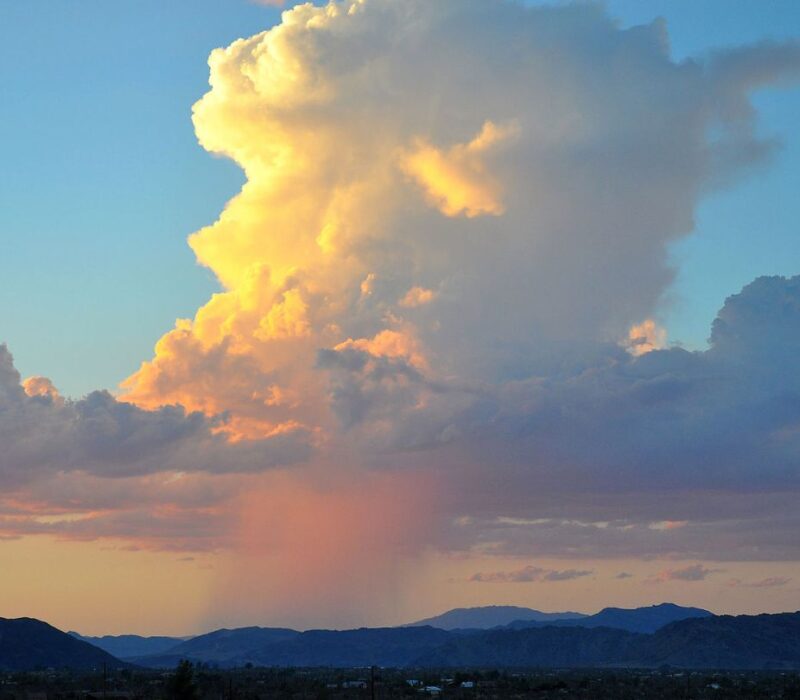
New Study Shows Rain and Ag Have Closer Relationship Than Previously Assumed
A recent paper published by Yan Jiang, a hydroclimatologist completing a postdoc at the University of California, San Diego and Jennifer Burney, a professor of Global Environmental Policy and Earth
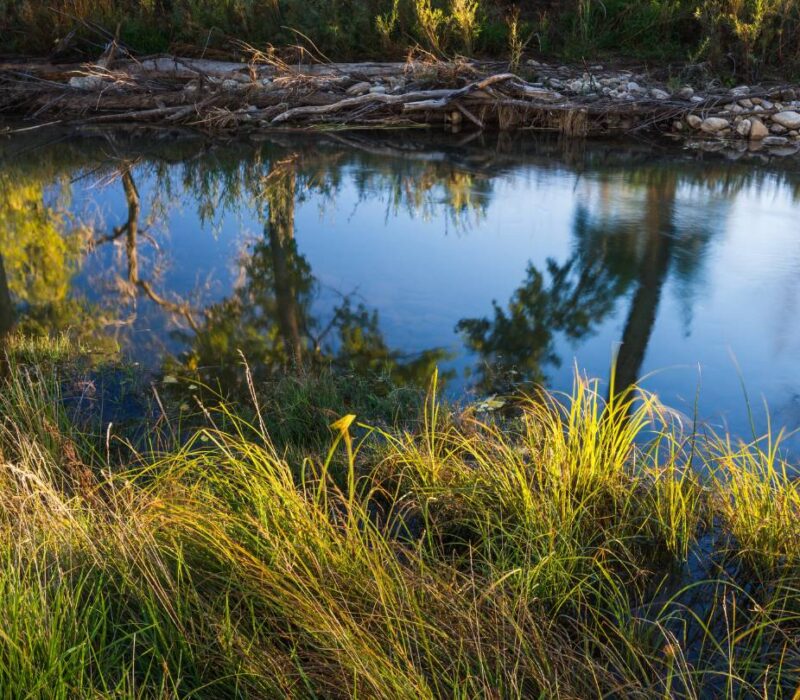
In drying West, hope for wetlands found on working lands, says new study
The warming climate in the American West is drying out wetlands at a greater scale than previously known. But where wetlands remain, and why, may surprise you. A 2025 paper, “Going,
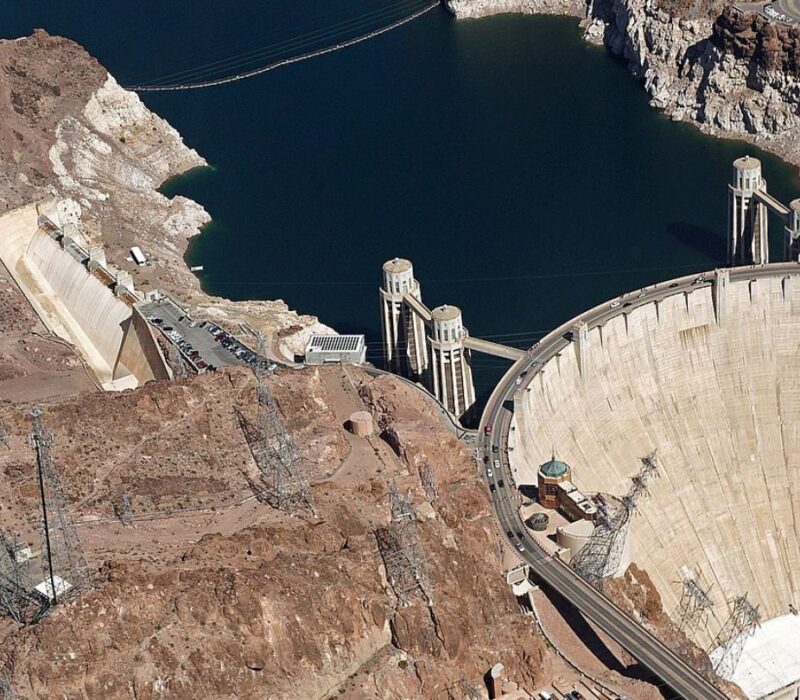
Another deadline comes and goes. What will happen to the water in the Colorado River?
Valentine’s Day was supposed to be the time when the Upper and Lower Basin states in the Colorado River kissed and made up, drew up an agreement that would get