Re-restoring the Animas after a post-fire flood
When erosion-control solutions designed and funded by the NRCS washed away in a flood, Dave Koeberle stepped in with $60,000 of his own money to rebuild and improve the structure.
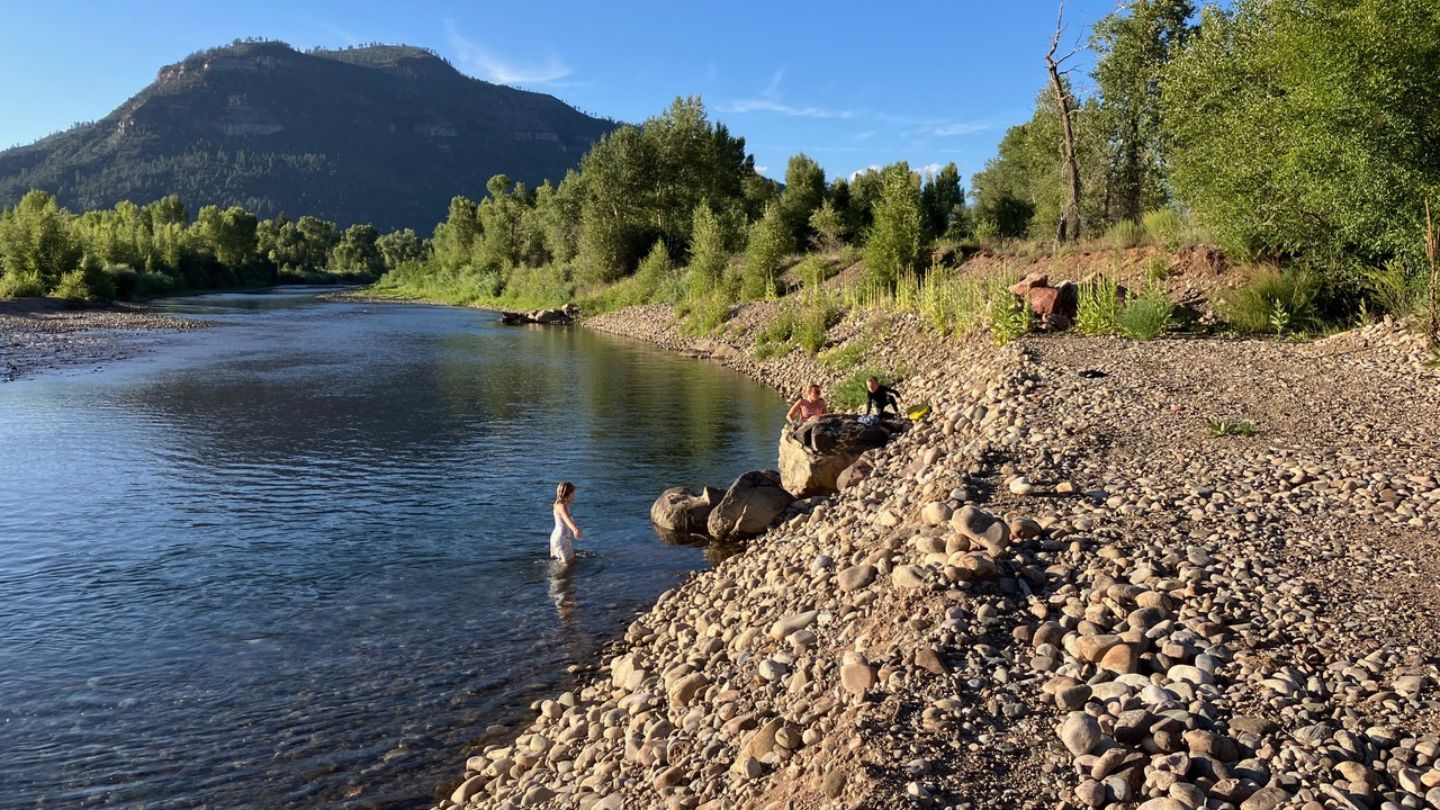
In 2019, crews had installed erosion control structures, and planted hundreds of willow and cottonwood saplings, on the stretch of the Animas River that runs through his property. The work took a full six months to complete. In 2023, Koeberle watched helplessly as it was nearly all washed away by an enormous runoff event from Hermosa Creek, near Durango, Colorado, that blasted through two acres of the project site in the Animas.
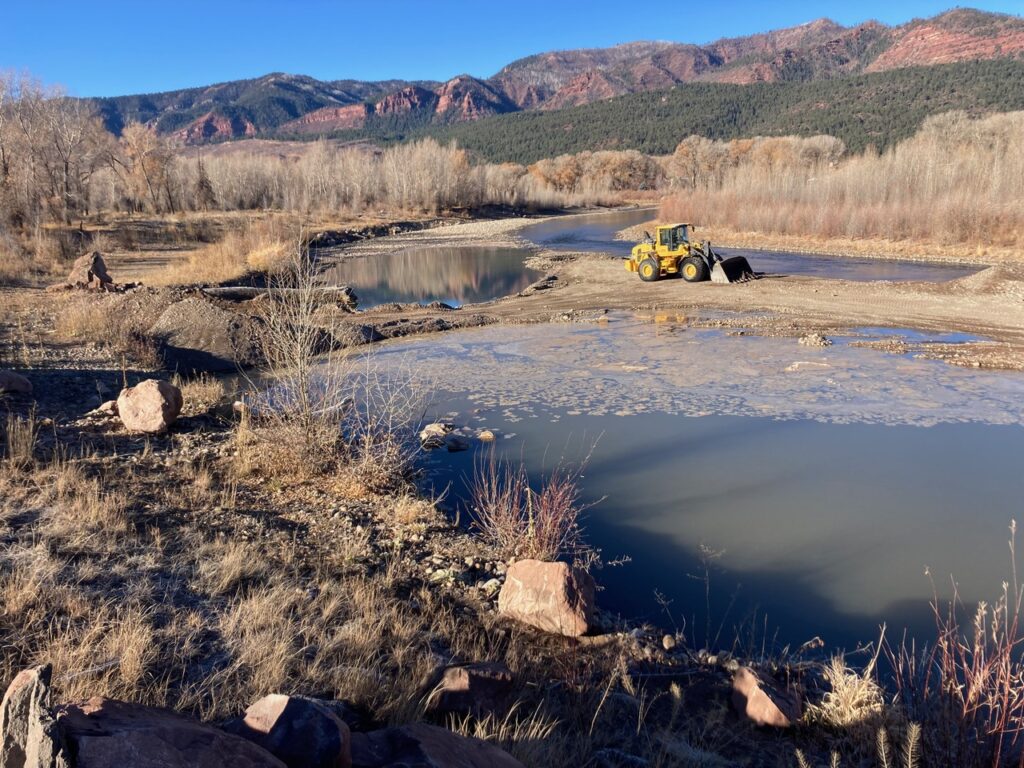
“The original NRCS design accounted for the Animas, but didn’t account for Hermosa Creek,” Koeberle said. The flood, triggered by a post-fire runoff event four times larger than typical spring surges, washed away a third of the willows and cottonwoods he had planted, and knocked out a third of the rocks, cobbles, sand, and bench he had crafted in the middle of the Animas.
“It’s my property,” Koeberle responds when asked why he would put up so much of his own cash to restore the stream. “There’s two acres of my land that went downstream, and it would just happen again without those abutments and rock structures.”
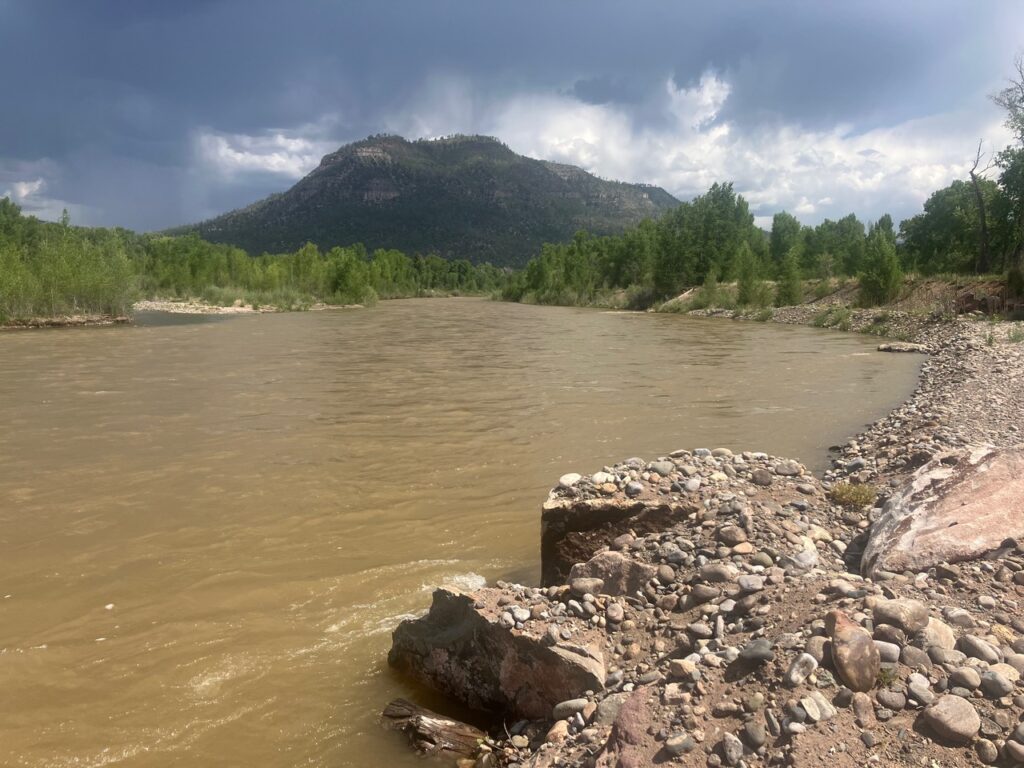
The Animas River has suffered a series of catastrophes in the past decades, including a major mine tailing spill that turned the river a creamsicle orange and killed almost all of the fish in it. Koeberle said the restoration work since then has helped rebuild a strong trout population, with a friend of his catching a 28-inch brown trout this past fall. His love of trout and his experience as a general engineering contractor were a match made in heaven for this restoration project.
“I did stream restoration stuff [in my career)] and it’s just important to me,” Koeberle said. “I moved here because I’ve been fly fishing since I was a little kid,” said Koeberle. “And if you ask any fly fisherman, they love trout, so it’s just important to me to have that river.”
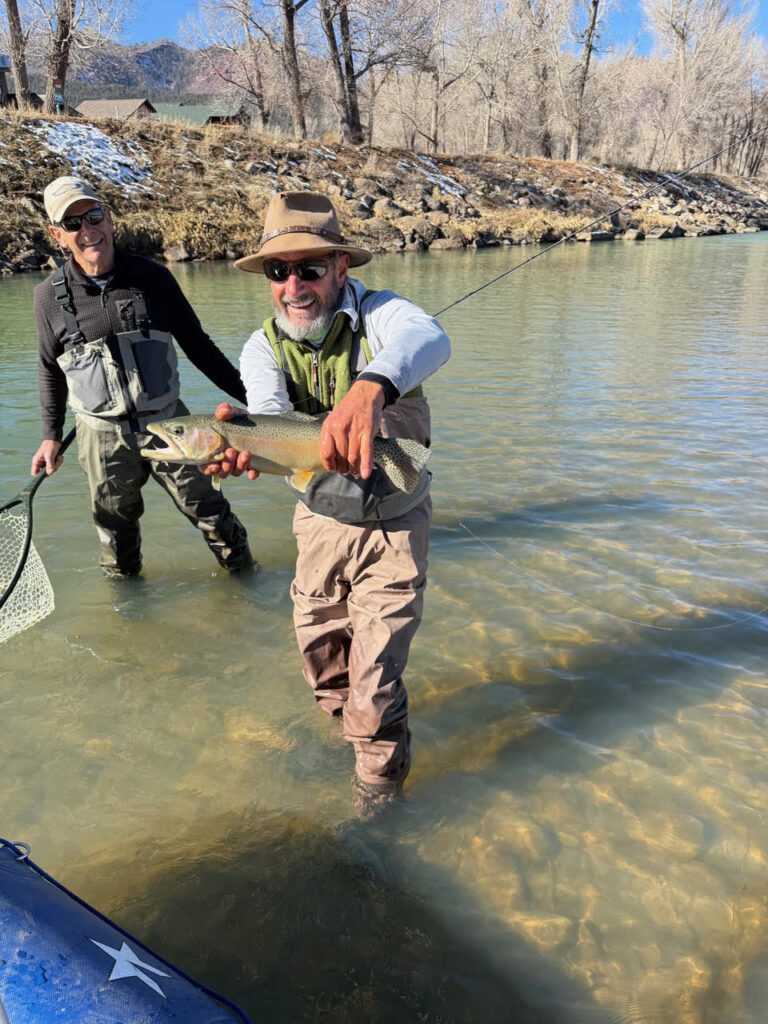
After the flood in 2023, Koeberle replaced the hydrologic bench on the Animas, replanted the willows and cottonwoods and rebuilt the cobbles in the stream bed. He is now seeing the fruits of his labor. Before 2018, this section of the Animas was shallow and held few trout, but with the formation of pools, streamside shade from the trees, and shelter among the roots and rocks, Koeberle is getting a chance to try out his new fascination with streamer fishing on his own place.
But there is still more work to do. Koeberle is working with NRCS again in order to address Hermosa Creek and does not plan to stop his stewardship anytime soon. “The whole thing is that we’re a certified organic farm, we raise sheep for meat and lamb on organic pastures,” said Koeberle. “It’s the right thing to do with this land.”
“I’m an advocate for rivers and farms,” he said, “This is just what I do.”