New VPA-HIP Funding is a Win for Access — and for the Working Lands Behind It
For hunters, anglers, and landowners, USDA-NRCS’s recent announcement of $52 million for the Voluntary Public Access and Habitat Incentive Program is welcome news.
Known as VPA-HIP, the program helps states and Tribes expand public hunting and fishing access on private lands through voluntary partnerships with landowners. At its best, it does more than open a gate. It helps make access work well — for wildlife, for landowners and for the people who hunt and fish. USDA’s Natural Resources Conservation Service (NRCS) is accepting applications through June 8, 2026 on Grants.gov for this program that benefits landowners and the public.
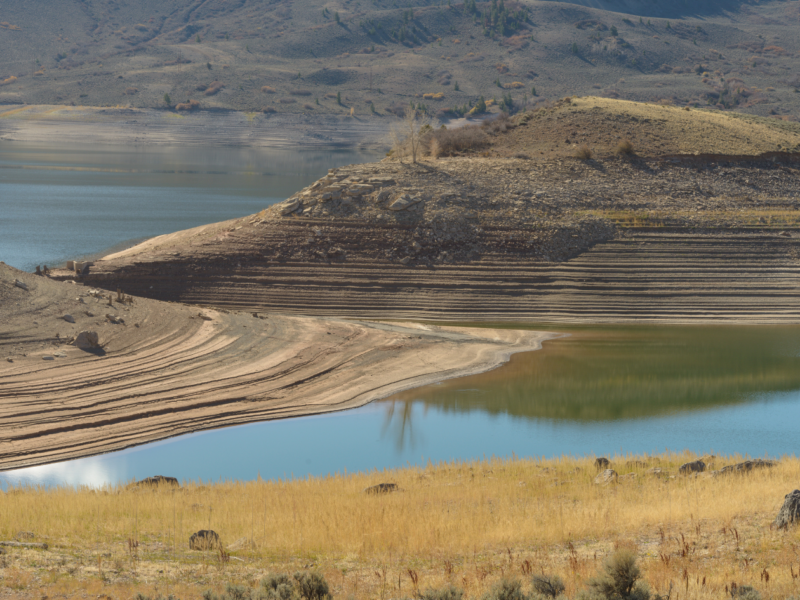
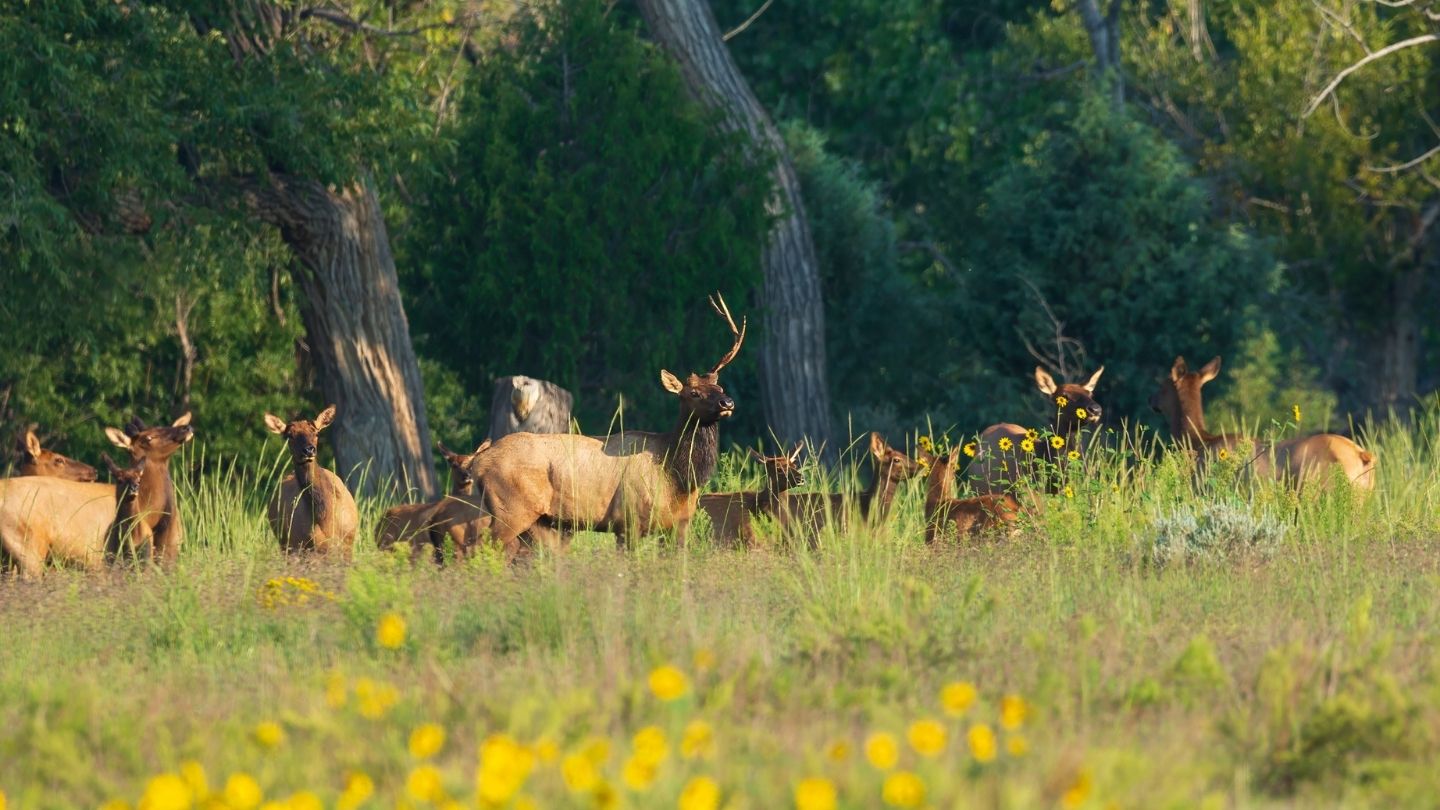
Across the West, the places wildlife depend on do not fit neatly inside public land boundaries. Elk move from high country to private winter range. Deer cross hay meadows and sagebrush flats. Game birds nest in grazed pastures. Fish rely on healthy streams that pass through ranches, farms and forests. Wetlands, riparian corridors and grasslands often stretch across a mix of public and private ground.
That is where voluntary access programs can make a real difference.
When a landowner chooses to participate, there is often more involved than simply saying yes. Gates, roads, fences, livestock, crops, parking, signage, liability, habitat conditions and wildlife movement all have to be considered. A good access program helps manage those details so the arrangement can last.
It also recognizes something landowners across the West already know: healthy habitat takes work.
Programs like VPA-HIP can help carry some of the weight. They support public access while also helping landowners keep habitat healthy and manage access responsibly.
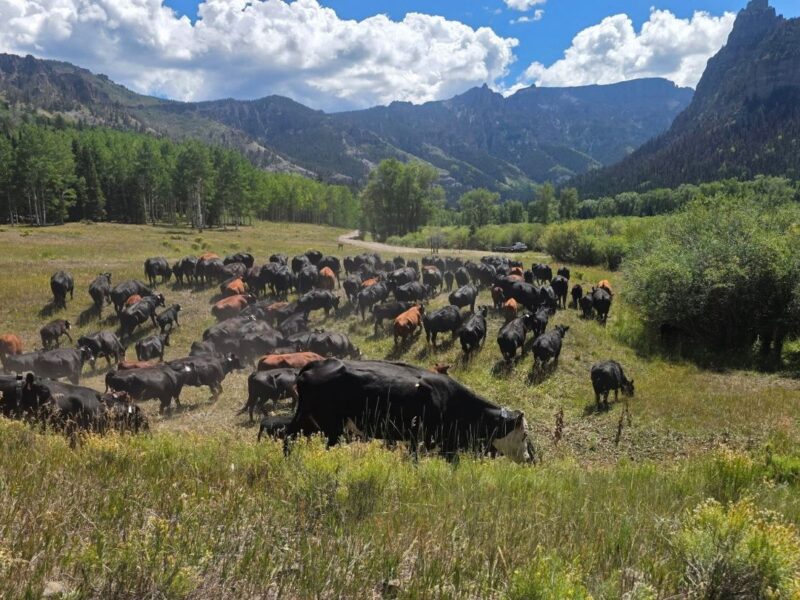
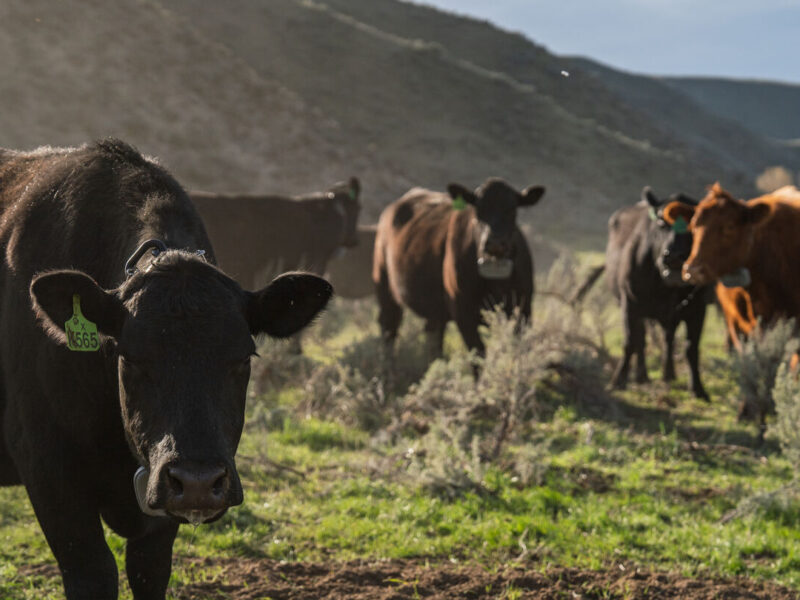
A rancher might repair a spring development so livestock and wildlife both have water. A farmer might leave cover along a creek. A forest owner might thin timber to reduce fire risk and improve wildlife habitat. A family operation might spend weekends fixing fence after elk move through. These efforts are part of everyday stewardship, but they are not free.
Western Landowners Alliance’s new Landowner Investment Survey Report found that in 2024, Western landowners with 500 acres or more invested at least $407.5 million of their own money in conservation practices above and beyond normal operating costs. That’s ranchers, farmers and forest owners all across the West contributing money, time and labor to care for land, water and wildlife — and together those investments add up.
That investment is happening during a hard time for many agricultural producers. Even in 2024, margins were tight. Today, costs are higher than ever. Drought, wildfire, labor shortages and development pressure continue to shape day-to-day decisions on working lands.
In that context, programs like VPA-HIP can help carry some of the weight. They support public access while also helping landowners keep habitat healthy and manage access responsibly.
For hunters and anglers, that can mean new or improved places to hunt and fish. For rural communities, it can mean more visitors stopping at local stores, gas stations, cafes and motels. For wildlife, it can mean continued care for the private lands that provide food, water, cover and room to move. For landowners, it can mean a partner in the work they are already doing.
Access and habitat are both built through relationships. A good gate agreement depends on trust. A healthy stream depends on steady care. A working ranch that remains intact can support wildlife in ways that ranchettes cannot. These outcomes are not abstract. They show up in full freezers, flowing water, open country, healthy herds and the next generation learning how to hunt, fish and care for land.
The VPA-HIP funding announcement is good news because it supports that kind of work.
It helps connect people to the land while supporting the landowners who keep those landscapes open, working and alive with wildlife.