Colorado’s New Beetle Battle: Lessons from the Past and Opportunities for Action
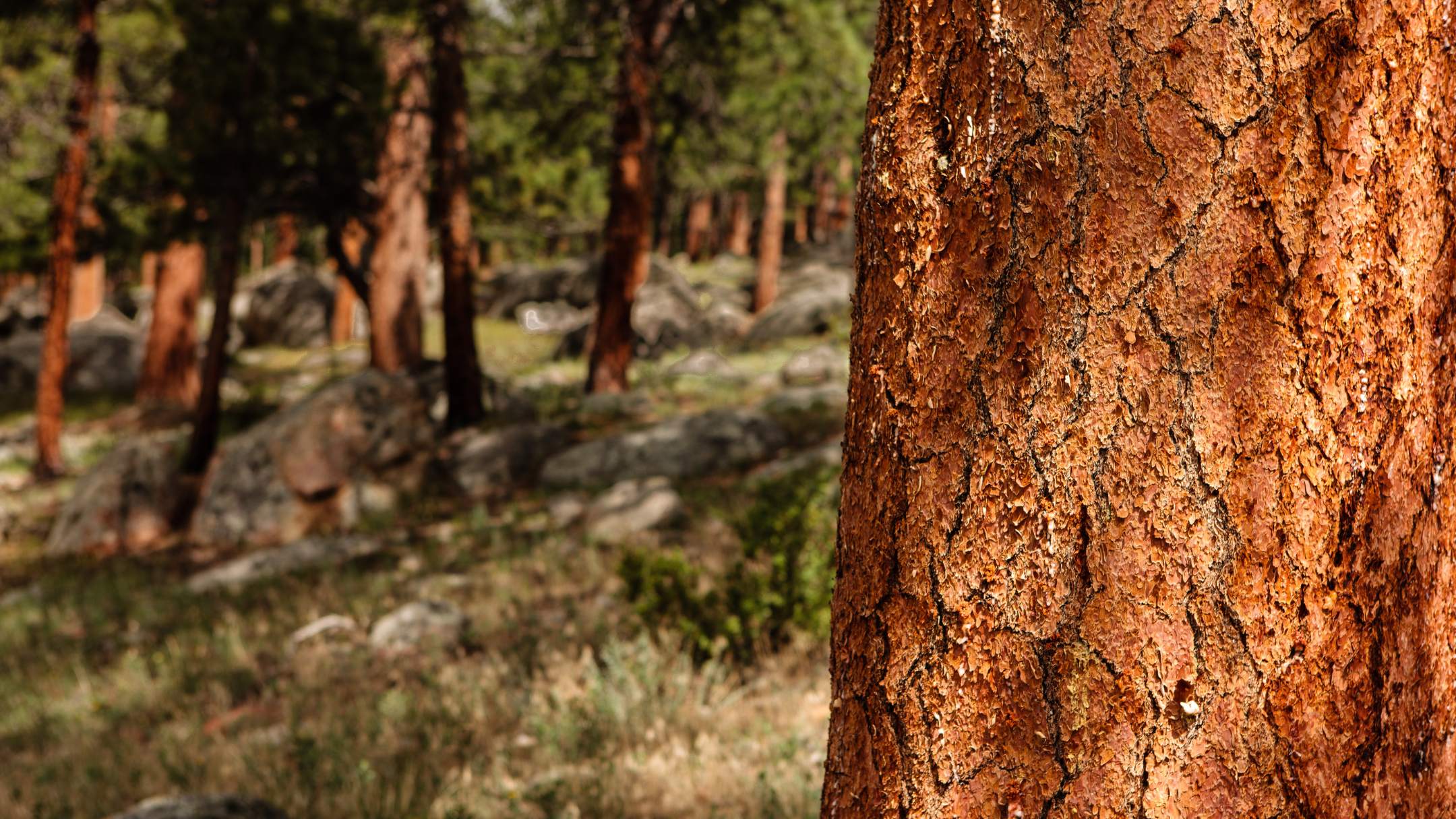
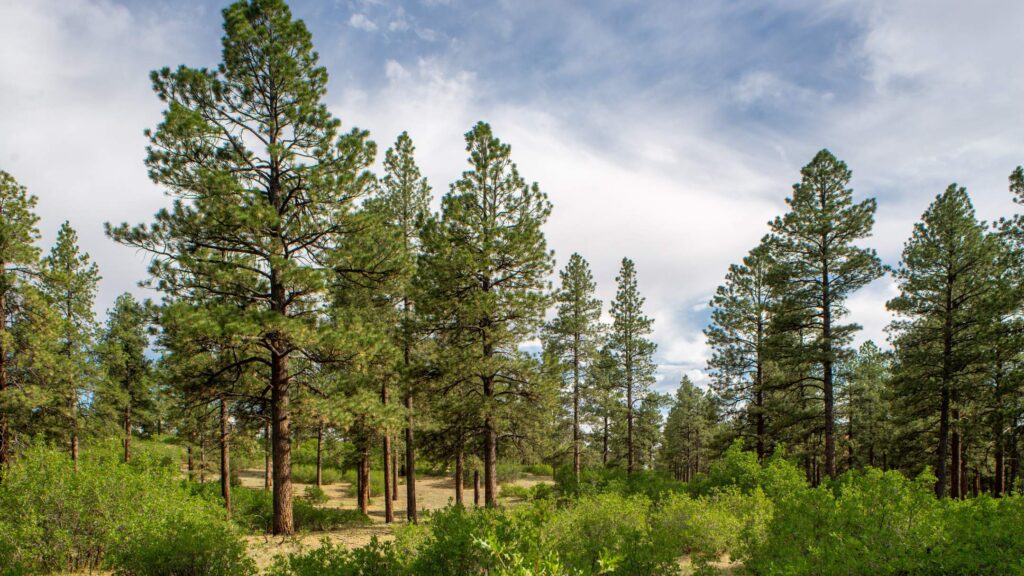
Drive the I-70 or Highway 285 corridors through Colorado’s Front Range foothills today, and you might notice something new on the hillsides: rust-colored patches spreading throughout the ponderosa pine forests, which cover roughly two million acres across the state. This is the early signature of a mountain pine beetle outbreak that state officials say could kill most mature ponderosa pines on the Western Front Range within the next several years.
The state is taking action. In December 2025, Governor Jared Polis signed an executive order creating the Ponderosa Mountain Pine Beetle Task Force, a 20+ member body co-chaired by the Colorado Department of Natural Resources, State Forester, and the Division of Fire Prevention and Control. The action was accompanied by proposed tax incentives to encourage the use of beetle-kill timber, enhanced homeowner support for fire mitigation, and new tools to accelerate forest health work across both public and private lands. It is an early proactive response, and the word “early” matters enormously here.
This is not Colorado’s first pine beetle crisis. From the late 1990s through 2014, a mountain pine beetle epidemic swept more than three million acres of high-country forests, decimating lodgepole pines in Summit, Grand, Eagle, and Routt Counties, killing up to 90% of trees in some stands.
That outbreak played out mostly on remote federal lands, where the primary challenge was coordinating a response among a relatively limited set of land managers. This new outbreak is fundamentally different. The ponderosa pine forests that are at risk this time line the most populated, recreated, and fire-exposed corridors in the state. Millions of homes in some of the state’s most populous counties are directly in the path. The means private land, large and small parcels alike, will need to be a core part of the response. As Governor Polis noted at the December announcement, beetle kill doesn’t stop at property lines.
Why Private Lands Are at the Heart of This Issue
Government agencies can manage public lands. What no single entity can do alone is address an outbreak that moves freely across ownership boundaries. Public, private, municipal, and federal lands are all part of the same forest system, and lasting solutions require action and support across all of them. The geography of this outbreak makes private land action not just helpful but essential.
Partners working on similar forest health challenges in other western landscapes, including the Douglas fir decline in Oregon’s Klamath Mountains, where drought and heat stress combined with decades of fire suppression have created conditions strikingly similar to what Colorado faces today, have found that thinning to promote tree health is far more likely to succeed before mortality begins. Once beetle pressure reaches a threshold, even relatively healthy trees lose the battle. The window for proactive action is open now but closing fast.
What Proactive Action Looks Like
For private landowners in the Front Range foothills, science points toward a clear set of proactive steps. Thinning dense, same-age stands, especially on hot, dry, south-facing slopes, reduces competition and improves drought tolerance in remaining trees. Removing stressed or recently killed trees near homes and structures reduces both beetle spread and fuel loads. Introducing more drought-tolerant species and restoring natural forest mosaics in lower-elevation, drier zones can begin the gradual transition to a more resilient forest composition.
The wildfire connection cannot be overstated. Dead standing and fallen trees can dramatically alter fire behavior, and when wildfire arrives in impacted landscapes, the outcomes can be severe and unpredictable, creating even more dangerous conditions for wildland firefighters and nearby communities. Returning these forests to a healthier fire regime through prescribed burning and mechanical thinning is not just an ecological goal; it is a public safety imperative for every community along the Front Range.
The executive order’s proposed tax incentives are a meaningful start for private landowners, but the scale of work needed across the Front Range will require a larger, timely, and sustained financing approach. One promising model is a dedicated pooled fund that pairs state investments with capital from corporate partners and utilities, coordinating stakeholders throughout the state that have direct financial stakes in forest health outcomes.
The logic is straightforward. Water utilities depend on intact forested watersheds for a reliable, clean water supply. Energy utilities face high costs when beetle-killed trees threaten infrastructure. Insurance carriers are acutely exposed to wildfire risk in the wildland-urban interface. Technology and outdoor recreation industry companies with operations and employees along the Front Range have brand and community ties to these forests. All of these stakeholders have compelling reasons to invest in an all-hands, all-lands approach to proactive forest health, but they currently have no organized vehicle to do so efficiently.
A pooled fund, structured as a public-private partnership and administered through a trusted intermediary could change that. State dollars would catalyze and leverage private investment, reducing the cost burden on any single funder while dramatically expanding the geographic reach of the work. Participating private landowners would receive technical assistance and funding support for thinning, prescribed fire, and ongoing stewardship to maintain healthy forests into the future, lowering the barrier to action and creating a pathway for maintenance over time, not just a one-time treatment.
Time to act is now
Colorado still has a window, but it requires coordinated action now. To keep momentum, we need to support lands across all boundaries.
Private landowners should contact the Colorado State Forest Service today to request a forest health assessment. This free service helps landowners understand their beetle risk and identify the highest-priority thinning and mitigation work on their property. Waiting for visible signs of infestation is waiting too long.
Business leaders, water utilities, energy providers, insurers, and other stakeholders across the state should engage with the task force process now and signal their appetite for a pooled fund structure. Denver Water’s From Forests to Faucets program, a partnership with the U.S. Forest Service and Colorado State Forest Service that already funds forest thinning to protect watershed health, is a proof of concept. There is an opportunity to extend a similar structure to private lands at scale, before the outbreak makes the work harder and more expensive.
State and local policymakers must move quickly to establish the conservation intermediary infrastructure needed to deploy a pooled fund because the financing mechanism is only as useful as the on-the-ground capacity to put it to work.
The executive order is a meaningful start. But the real work happens stand by stand, property by property, in conversations between landowners, foresters, conservation partners, and funders along the Front Range and across Colorado’s ponderosa and lodgepole pine landscapes. This pathway represents a sustained, coordinated, proven model of action our forests need for a resilient future.