Forests Need Fire, but Forestry Makes It Work
In the past decades, more and more people have built or bought homes in the Wildland Urban Interface, or WUI. The draws are obvious: beauty, isolation, quiet, and closeness to nature that city living just doesn’t provide. Simultaneously, wildfire risk in those same wildlands has skyrocketed due to climate change.
Readiness and response for these fiery events falls on a patchwork of government agencies, private groups, and landowners. In many places, this patchwork is loosely stitched at best. But On Colorado’s northern Front Range, a tight-knit coalition of people and organizations has been working to make their communities and landscapes fire resilient.
Conservation and fire
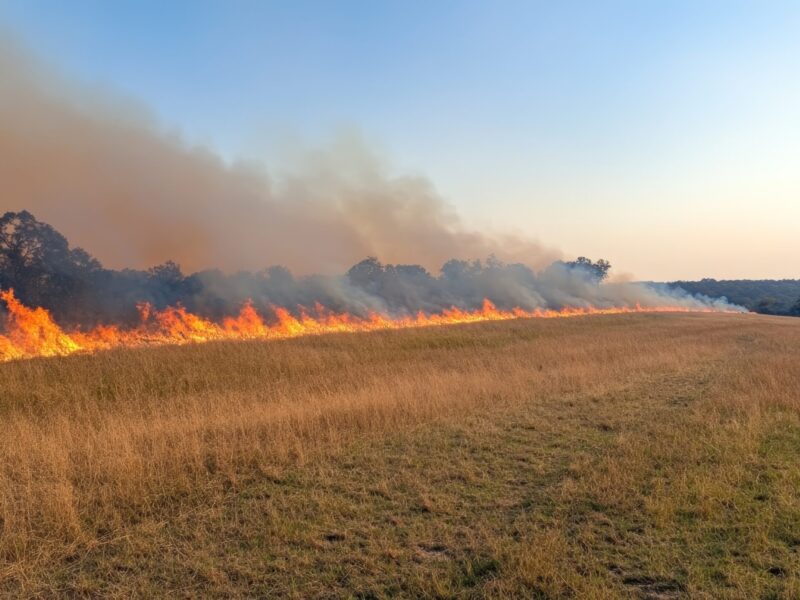
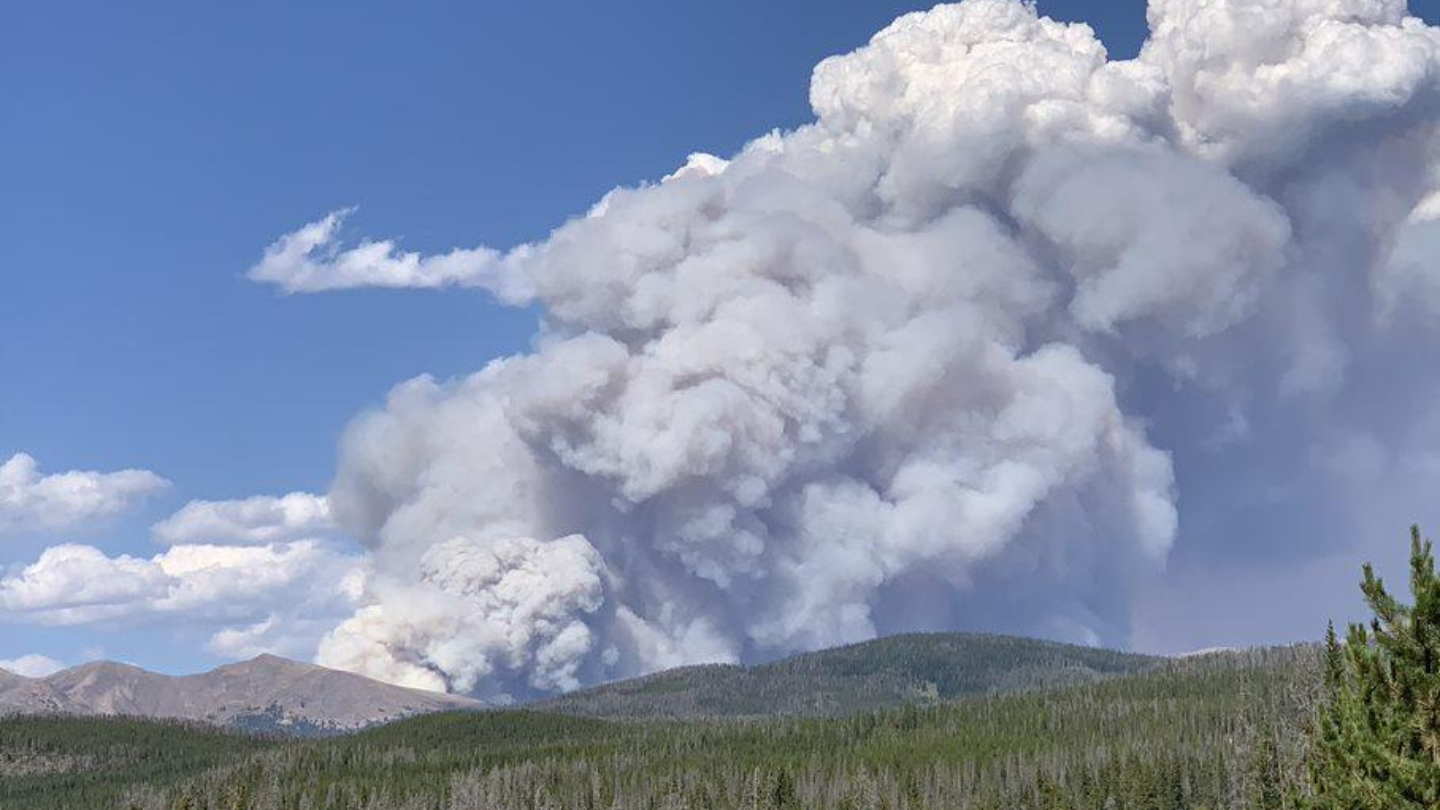
Fire on the front Range has been significantly more common in the past decade. Blazes like the East Troublesome and Cameron Peak Fires burned into unexpected terrain and at such high intensities outside of Estes Park that it created a pyrocumulonimbus cloud that could be seen over 100 miles away.
These kinds of fires are new to the Western landscape, but fire has always been a necessary piece of landscape health. It clears brush, helps species reliant on low-intensity, regular wildfire germinate seeds, regulates insect pressure, regenerates grasses for cattle and native herbivores, and otherwise is a medicine for overall forest health. Human intervention has always been part of the mosaic of healthy forests, with fire doing much of the work of thinning and clearing overly dense stands of trees. Now humans are making use of high-tech machinery and utilizing low-tech, process-based restoration techniques. Communication with landowners about these topics is extremely important. That is what the folks at the Larimer Conservation District, Peaks to People Water Fund, and many more partners in the region have been doing over the past decade, and since 2022, together under the banner of the Big Thompson Watershed Health Partnership.
The BTWHP is facilitated by Peaks to People Water Fund, and brings public and private local, state, and federal partners to work together on projects that require collaboration across all those different worlds. Peaks to People, as it is called, was founded in 2014 to connect donors looking to manage wildfire risk and support watershed improvements with stewards who can do this important work. The BTWHP has produced the Big Thompson Wildfire Ready Action Plan, the Protecting the Gateway to the Rockies Wildfire Defense Project and coordinates the funding and expertise to conduct forestry and riparian restoration projects in a watershed responsible for a significant portion of the Front Range’s drinking water, recreation, wildlife, and communities. Through their Watershed Investment Tool (WIT), Peaks to People helps partners identify where forest restoration and wildfire mitigation can deliver the greatest return for protecting water supplies and reducing wildfire risk. These relationships and their tool make getting work done easier and more strategic, as the BTWHP helps set priorities to target precious dollars in the most important areas
“One thing we know to be true is resilience comes from doing all the things. You can’t ignore the health of a riparian zone and only focus on forestry work. You can’t only focus on LTPBR [low-tech process-based restoration] without reducing wildfire danger upstream,” said Sandi Good, program manager for Peaks to People.
Funding stewardship
Funding is an all-important piece of the puzzle, and Peaks to People has been skilled at marshalling dollars to do work that has gotten much more expensive over the past decade. Forestry work that used to be $2,500 per acre a decade ago is now up to $5,000 per acre, according to Gretchen Reuning, Larimer Conservation District’s executive director. Those costs have skyrocketed for a number of reasons, but the biggest issue is that the timber harvested does not have a market.
“We don’t have the [high quality] wood products like the northwest or eastern hardwoods. We have timber that doesn’t pay its way out of the woods,” Reuning said. Instead, the district has focused on gaining access to unique funding opportunities and finding different opportunities to use slash, like turning logs into posts for future LTPBR materials.
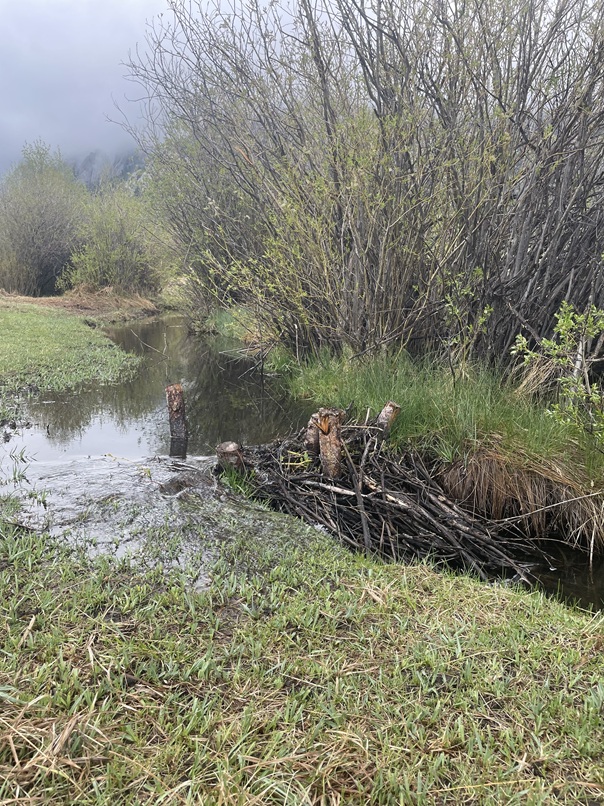
In order to do needed forestry projects, funding sources from organizations like Peaks to People Water Fund, federal dollars, and state money can be combined, but making sure the size of a project is economical means working with landowners is extra important, which especially true in a place like the Big Thompson River watershed. This area has become a popular place for people to live due to its proximity to Rocky Mountain National Park. With that popularity has come habitat fragmentation. Working lands have been parceled and sold for development, which in turn makes the remaining working lands even more important for both habitat and wildfire resilience forestry work.
“We are providing these services and expertise across all lands, so most of the folks we work with are not on working lands. But two-thirds of the acres we complete, probably more, are on the working lands,” Reuning estimated.
Landowner buy-in
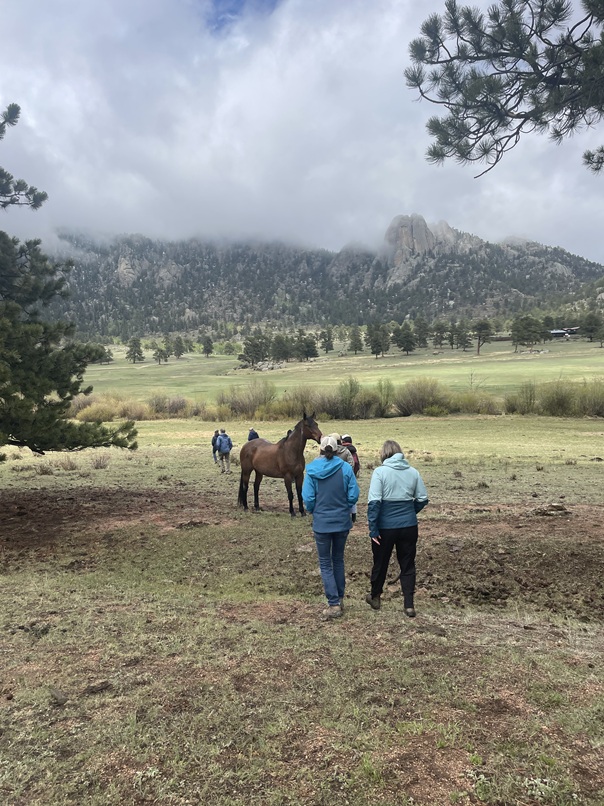
Convincing people to do forestry work is not a walk in the park. Many people who move to the mountains are doing so for the solitude living in a forest provides. Forestry work can cause significant visual changes to the landscape, and the use of noisy chainsaws and heavy equipment can scare people off. But as the MacGregor Ranch’s trustees can affirm, doing this kind of work is totally worthwhile.
“When they come in with heavy equipment and do these projects, what’s amazing is how quickly it will recover. A couple of years ago, we did some work on the south side of the ranch. Two months later, we have a group touring the site with all these projects on the hillside, and all these elk have returned to the property and are grazing on the grass that has already come up,” said Todd Jirsa, one of the five trustees responsible for making decisions about the ranch.
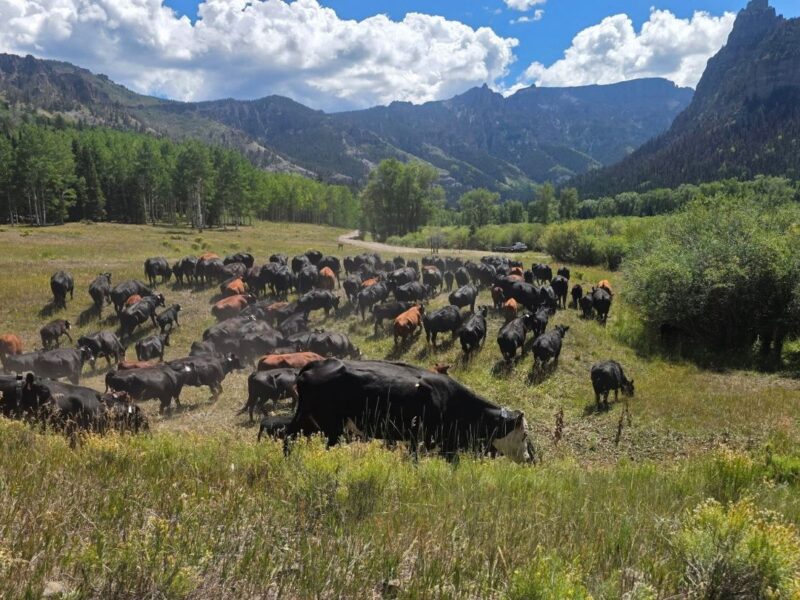
The MacGregor Ranch in Estes Park is run through a trust structure, with five trustees responsible for preserving the 1,000-plus acre ranch that shares a property line with Rocky Mountain National Park. The ranch still raises Black Angus cattle, descendants of the original herd brought to the ranch in 1919, as well as provides hunting opportunities through the sale of elk tag vouchers. Forestry work has offered the ranch’s trustees an opportunity to tackle land health on a holistic level.
“It’s all tied together, the whole idea of forest health, fire mitigation, and just having enough grass during a drought to feed the cows that you have,” Jirsa said.
Early work on the property was mostly focused on pine beetle mitigation, but as time has gone on, the Larimer County Conservation District has been conducting forestry projects that imitate the mosaic of habitat that low-grade wildfire leaves. This kind of work has paid off not only for habitat, but for firefighting as well.
“When the Cameron Peak Fire was going on, there was a time period where they thought the fire was going to come down Black Canyon Creek,” Jirsa said, recalling a conversation with the wildfire incident commander on the scene. “He told us, ‘because of the forestry work, we can fight this fire here. Because of the forestry work you’ve done, we can make a stand.’”
Without working lands, habitat and homes are more at risk from fire. But with good stewardship, forests and fire can return to a relationship more like their earlier one: mutually beneficial and good for the whole place.