Five Lessons Ranch Managers Shared About Wildfire Preparedness
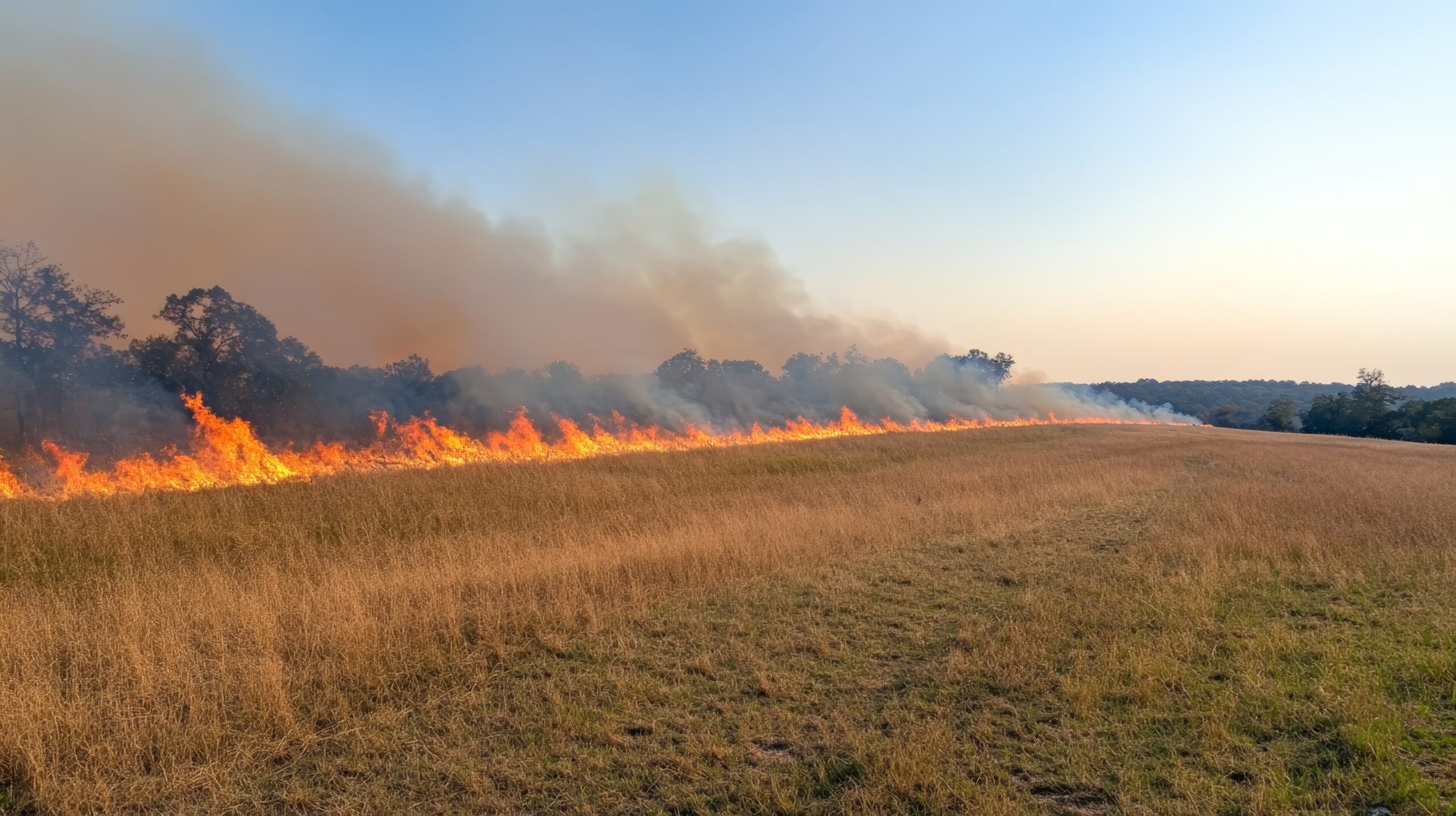
For ranch managers and landowners across the West, wildfire preparedness begins long before smoke appears on the horizon. They prepare by investing in equipment, infrastructure, and emergency response capacity, making and practicing a response plan, and much more.
During a recent Ranch Managers Guild discussion hosted by Western Landowners Alliance, managers from across the West shared lessons learned from years of living and working with wildfire risk. Despite managing different landscapes, operations, and production goals, ranch managers repeatedly emphasized the same lesson: effective wildfire preparedness requires planning, maintenance, strong relationships, and long-term stewardship.
Here are five key takeaways from the conversation.
1. Fuel Reduction Is Only the Beginning
Many landowners have invested significant time and resources into thinning vegetation, creating fuel breaks, and reducing hazardous fuels. Yet managers repeatedly emphasized that the initial treatment is only part of the equation.
Fuel breaks require ongoing maintenance to remain effective. Vegetation grows back, invasive species establish, and conditions change over time. Several participants discussed the importance of incorporating long-term maintenance plans into fuel-reduction projects from the outset.
Managers also highlighted the value of encouraging native vegetation and ground cover within treated areas. In some cases, maintaining healthy understory vegetation can help slow fire behavior and reduce the likelihood of fire moving into tree canopies.
Managers shared a clear lesson: building wildfire resilience requires ongoing management, not a one-time project.
2. Good Maps Can Make a Critical Difference
When a wildfire occurs, firefighters often arrive with limited knowledge of a property’s roads, infrastructure, water sources, and access points.
Several managers stressed the importance of developing detailed ranch maps that identify bridges, gates, fence lines, water infrastructure, ranch roads, and structures. While agency maps provide valuable information, they do not always capture the details necessary for effective response on working lands.
Preparing those maps in advance can help emergency personnel navigate a property more efficiently and focus their efforts where they are needed most.
As one manager noted, the work done before a fire can make firefighters’ jobs significantly easier when conditions become critical.
“The work done before a fire can make firefighters’ jobs significantly easier when conditions become critical.”
3. Practice Matters as Much as Planning
A written wildfire response plan is important. But managers repeatedly emphasized that a plan sitting on a shelf is not enough.
Staff training, emergency drills, and clearly defined responsibilities can make a significant difference during an active incident. When people are under stress, even simple tasks can become difficult. Practicing response procedures in advance helps ensure that everyone understands their role before an emergency occurs.
Several participants recommended conducting regular drills and reviewing plans annually. Others discussed the value of maintaining firefighter certifications for staff when appropriate and of ensuring equipment is ready before the fire season begins.
Preparedness, they noted, is most effective when it becomes part of an operation’s routine rather than a document consulted only during a crisis.
4. Invest in Self-Reliance
Because many ranches and forestlands sit far from population centers, managers often prepare to respond to wildfire before outside resources can reach the scene.
For that reason, managers emphasized the importance of maintaining equipment and infrastructure that can support an initial response. Water storage, pumps, mobile fire units, hydrants, sprinkler systems, and other resources can all help protect people and property.
Preparedness also includes investing in human capacity. Training employees, identifying response roles, and developing communication plans can be just as important as purchasing equipment.
While no operation can eliminate wildfire risk, managers agreed that preparedness investments often provide benefits long before a fire occurs.
5. Relationships Are Part of Preparedness
One of the strongest themes throughout the discussion was the importance of building relationships before they are needed.
Managers encouraged landowners to connect with local fire departments, conservation districts, NRCS staff, state forestry agencies, neighboring landowners, and other partners well before fire season begins.
These relationships can help landowners access technical expertise, identify funding opportunities, coordinate fuel reduction projects, and improve communication during emergencies.
Several managers shared examples of how strong partnerships helped landowners, agencies, conservation organizations, and local communities successfully implement projects on the ground. Wildfire preparedness, they noted, is not something landowners must tackle alone.
Stewardship for the Long Haul
Wildfire is a natural part of many western landscapes. But the frequency, intensity, and complexity of today’s fires present growing challenges for working lands and the people who steward them.
The ranch managers who participated in this discussion did not present wildfire preparedness as a checklist to complete or a project to finish. Instead, they described it as an ongoing process of stewardship, adaptation, and investment.
From maintaining fuel breaks and mapping infrastructure to training staff and building partnerships, preparedness is ultimately about creating options before an emergency occurs.
As wildfire risk continues to shape the future of the West, these peer-to-peer conversations offer landowners and managers an opportunity to learn from one another and share practical strategies that work on the ground.
The Ranch Managers Guild connects land managers across the West through conversations, case studies, and shared learning opportunities focused on the day-to-day realities of managing working lands.