The business of stewardship with Outdoor Hall of Famer Bob Budd
What is conservation worth, and who should pay for it?
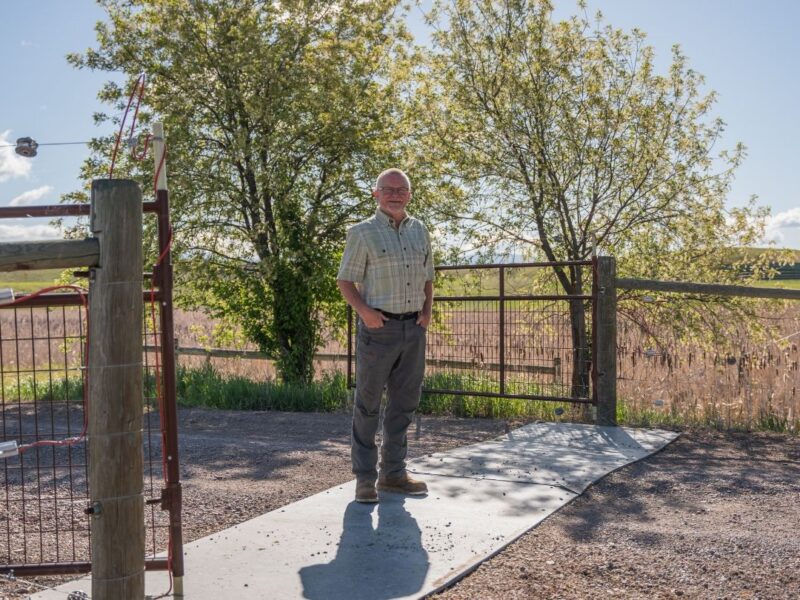
For nearly five decades, Bob Budd has worked at the intersection of ranching and conservation in the American West. Recently inducted into the Wyoming Outdoor Hall of Fame, Bob is the executive director of the Wyoming Wildlife and Natural Resource Trust and author of Otter’s Dance. He’s spent his career finding common ground between people who don’t always see eye to eye.
In this episode, Bob joins Western Landowners Alliance chief executive Lesli Allison to discuss the economics of stewardship, the importance of keeping working lands intact, and why locally led conservation often produces the most lasting results.
From habitat leasing and public lands grazing to the growing pressures on Western ranches, they explore what it will take to build an economy that supports healthy landscapes and the people who care for them.
This conversation is part of the latest issue of On Land magazine, which explores the changing economics of land stewardship in the American West.
Your support helps keep this work moving forward. Please consider making a year-end gift to Western Landowners Alliance today!
Listen
More from the episode
Finding Common Ground in Conservation
Exploring the intersection of ranching, ecology, and community valuesIn the latest episode of the On Land Podcast, Lesli Allison sits down with Bob Budd, the executive director of the Wyoming Wildlife and Natural Resource Trust. With a rich background in both ranching and conservation, Bob shares his insights on finding harmony between economic viability and ecological stewardship.
The Radical Center
Bob describes his journey towards what he calls the “Radical Center,” a place where ranchers and environmentalists can collaborate rather than clash. He emphasizes a shift from conflict to cooperation, stating,
“People who were tired of fighting over everything saw the desperate need to connect all the lands as a landscape, not as drawn-out squares of who owned them.”
This philosophy blossomed in the 90s, culminating in a manifesto that advocates for finding common ground in conservation efforts. Bob reflects on how many people, despite their differences, share fundamental values about the land and wildlife.
A Deep Connection to the Land
Lesli and Bob explore the deep-seated land ethics present among those who work directly with the land. Bob recounts his upbringing on his family ranch in Wyoming, where respect for nature was ingrained from a young age. He shares a poignant story about his grandfather’s wisdom regarding wildlife habitat, which illustrates the interdependence of ranching and conservation.
The Challenges of Perception
Throughout the episode, they tackle the perception of ranchers in public discourse, which often overshadows the conservation narratives that are nuanced and present across the West. He notes,
“You cannot boil ecology down to 10-second sound bites.”
Looking Forward
As the conversation unfolds, listeners are encouraged to reflect on the balance between economic needs and ecological responsibilities. The insights shared by Bob Budd challenge us to rethink our approaches and foster dialogues that bridge divides.
For a deeper dive into these topics and to hear more from Bob, tune into the full episode of the On Land Podcast.
Credits
On Land is a production of Western Landowners Alliance, a West-wide organization of landowners, natural resource managers and partners dedicated to keeping working lands whole and healthy for the benefit of people and wildlife. This episode was hosted by Lesli Allison and produced by Zach Altman.
If you enjoyed this episode, share it with a friend, leave a review wherever you get your podcasts. Your support helps us amplify the voices of stewardship in the American West. Thanks for being here. We’ll see you next time.