Generations of Stewardship Earn Veseth Family the Montana Leopold Conservation Award
Dale and Janet Veseth’s decades of conservation work on their eastern Montana ranch have earned statewide recognition, while their planned gift of 38,300 acres will help carry that legacy forward.
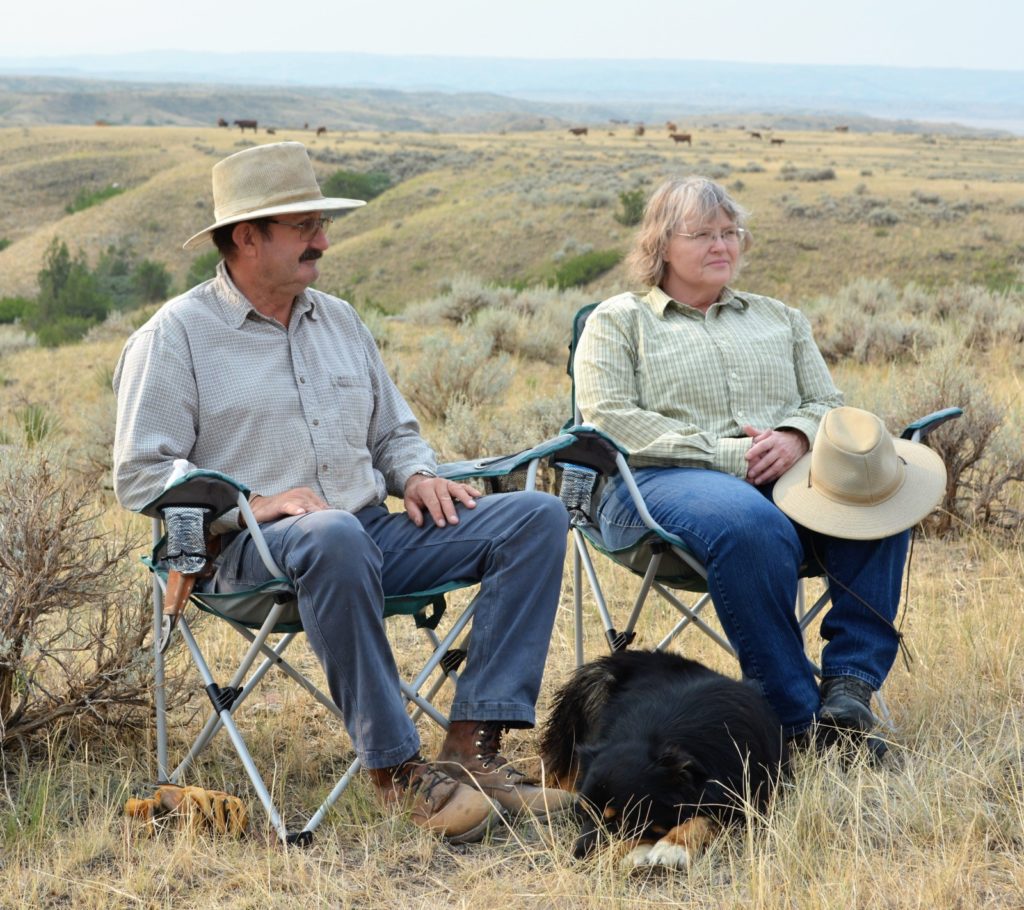
Veseth Cattle Co. has done pretty well since the family settled this part of the Missouri River Breaks in eastern Montana late in the 19th century.
“We are fairly successful,” Dale Veseth, the third generation of Veseths to own and manage the place, joked. “We’ve only gone broke twice in three generations.”
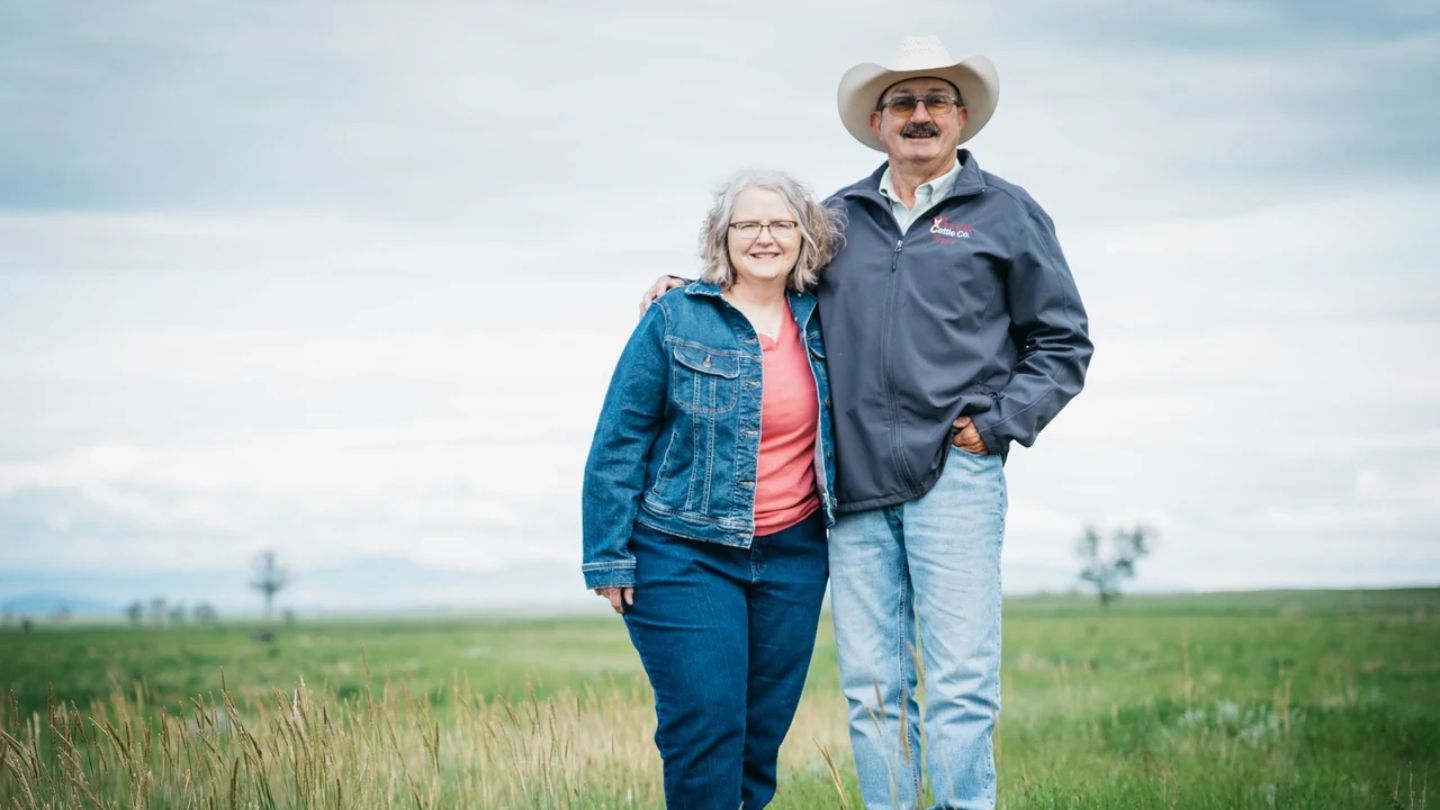
The dry humor belies the Veseth family’s skill and the difficulty of ranching in this part of the world. Generations of hard work and a commitment to caring for the land while raising food and fiber have earned Dale and his wife, Janet, the 2026 Montana Leopold Conservation Award. The award recognizes ranchers, farmers, and forestland owners who go above and beyond in managing soil health, water quality, and wildlife habitat on working lands. The Veseths received the award at the Montana Farm Bureau Annual Convention on November 16 and will receive $10,000.
In 2025, Dale and Janet announced plans to gift their 38,300 acres of native rangeland to the Ranchers Stewardship Alliance (RSA) at the end of their ranching careers. Valued at $21.6 million, the gift is the largest charitable working-land transfer in Montana history. Dale helped found RSA more than 20 years ago to improve the quality of life for rural communities throughout the Northern Great Plains.
The planned gift means the work his family has put into conservation on the ranch, while raising food and fiber, can continue. Those who come after the Veseths on this land will also be able to marvel at rare native species returning to the property.
“Once we started to intensify our range rotation, I found prairie cordgrass, which needs additional water, so it only grows in overflow sites,” Veseth said. “Until 15, 20 years ago, I would only find it in riparian areas, not inside draws, and now it’s one of those common species in those draws.”
Over the decades, Veseth’s family has radically changed its stewardship practices. They shifted from sheep to cattle after World War II, and since the 1980s have gradually increased the number of pastures they rotate their herds through and installed water improvements like beaver dam analogs and small reservoirs. Never rich, they’ve leveraged their profitable years to partner widely and bring more conservation projects onto the landscape.
That progress has been well documented. The Rocky Mountain Bird Observatory conducts an annual bird survey on the property. Two years ago, the survey found 33 different species at a small reservoir on the ranch.
“I said, ‘Well, how common is this?’ and the guy said, ‘I have never had that many at one site before,’” Veseth remembered.
Since 1986, when satellite imagery for the region first became available, the ranch has added 25% more biomass and drastically reduced bare ground. Those changes reflect decades of adjustments to grazing and land management.
In a harsh, semi-arid environment that receives just 12 inches of annual precipitation, the Veseths grow perennial grasses instead of annual crops to maintain soil cover and improve water infiltration. Their cattle are rotationally grazed on 90 pastures and bale-grazed during the winter. Long-term precipitation records, along with grass growth cameras and drone observations, help guide adaptive management decisions.
The ranch’s progress is a far cry from what seemed possible two generations before. Veseth Cattle Co. survived the Dust Bowl with Veseth’s grandfather haying Russian thistle to keep his animals alive.
“He put on two pairs of overalls, but it didn’t matter how many clothes you wore, your legs still looked like hamburger,” Veseth said.
Veseth learned at a very young age that keeping the land healthy meant you were much more likely to survive the hard times.
Conservation through collaboration
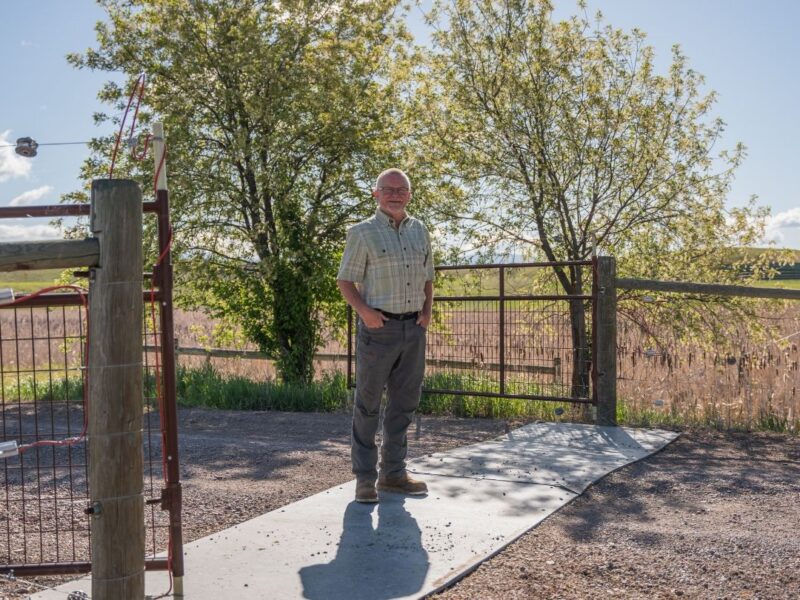
The Veseths have worked with a range of conservation partners to improve wildlife habitat and water resources on the ranch. Miles of woven-wire fence have been removed and replaced with virtual fencing technology to improve wildlife migration corridors in collaboration with RSA, The Nature Conservancy, and the U.S. Fish and Wildlife Service’s Partners for Fish and Wildlife Program. Ducks Unlimited helped develop nine water projects to enhance wildlife habitat and water reliability. The Montana Conservation Corps has helped install 50 beaver dam analogs to improve riparian function and water retention. The Veseths have also improved grassland bird and other wildlife habitat on their leased grazing lands managed by the Bureau of Land Management.
Dale’s work with RSA has helped extend this collaborative approach across the Northern Great Plains. Since its founding in 2003, the organization has worked to keep grasslands intact and ranchers thriving, fostering collaborative conservation efforts and giving ranchers a clearer voice in land management decisions.
This is not the first time Dale’s advocacy has had far-reaching impact. After The Nature Conservancy purchased a 60,000-acre ranch in Phillips County, Dale encouraged the organization to allow ranchers hard-pressed by drought to graze the property. This led to the creation of the Matador Grassbank, where ranchers lease the land to grow their livestock herds or provide their pastures with adequate time to regrow. Discounted lease rates are offered when ranchers utilize approved conservation practices on their own land.
A gift for the future
“These award recipients are examples of how Aldo Leopold’s land ethic is alive and well today,” said Kevin McAleese, Sand County Foundation President and CEO. “Their dedication to conservation is both an inspiration to their peers as well as a reminder to all how important thoughtful agriculture is to clean water, healthy soil, and wildlife habitat.”
The Veseths’ planned gift of their ranch to RSA aligns with the organization’s mission to strengthen opportunities for local ranchers, champion education and community-led conservation, and uphold Montana’s ranching heritage. It will also help ensure that the land remains connected to an organization Dale helped build.
“We’ve watched RSA grow into something pretty special,” Dale said. “It’s brought people together with a shared purpose and opened eyes to the positive impact ranchers have on the ground. We’re proud to know the ranch will be part of that.”
As Veseth said in RSA’s announcement of the donation, “We’ve only been here for a blink of an eye in the grand scheme of things. This land will outlast us all. It’s been a privilege to care for it. It’s been a fun ride, and we’re not done yet.”
Sand County Foundation’s Montana Leopold Conservation Award is made possible through the generous support of American Farmland Trust, Montana Department of Natural Resources and Conservation, Rangeland Resources Program, Sibanye Stillwater, AgWest Farm Credit, Halter, Montana Grazing Lands Coalition, USDA Natural Resources Conservation Service of Montana, Montana Farm Bureau Federation, Montana Farmers Union, Ranchers Stewardship Alliance, Soil and Water Conservation Society’s Montana chapter, Western Landowners Alliance, Western Sustainability Exchange, and World Wildlife Fund.
For more information on the award, visit www.leopoldconservationaward.
Thomas Plank and Casey Langan contributed to this story.