Want to rebuild the herd? Invest in the land, water and people we need to do it
On Friday afternoon, just before a three-day weekend, the Trump administration released two new executive orders with the aim of shoring up support for American ranching. Together they address several longstanding priorities of the cattle industry. Yet, they fail to address the fundamentals that are driving high prices, declining cattle production and farm and ranchland loss.
There is far more at stake than the price of beef. National security, American independence, trade leverage and rural economies depend on the extent and quality of our land and productive capacity.
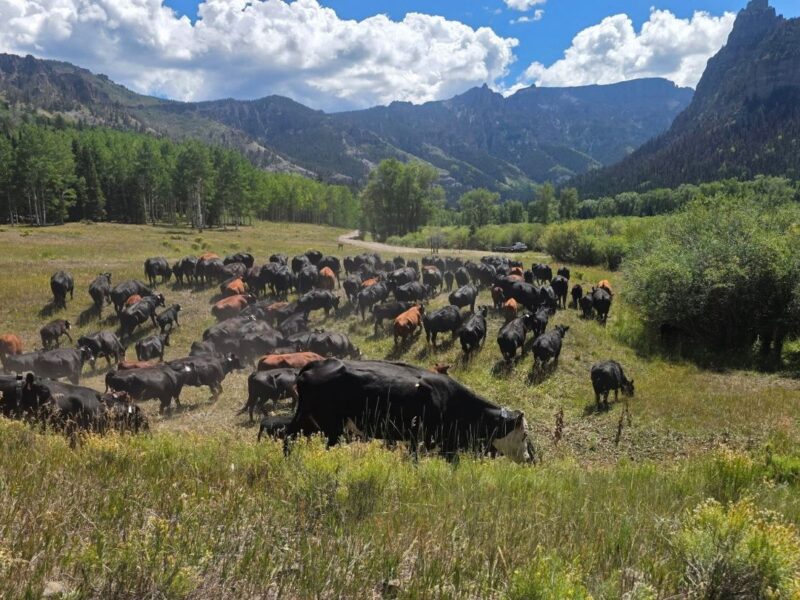
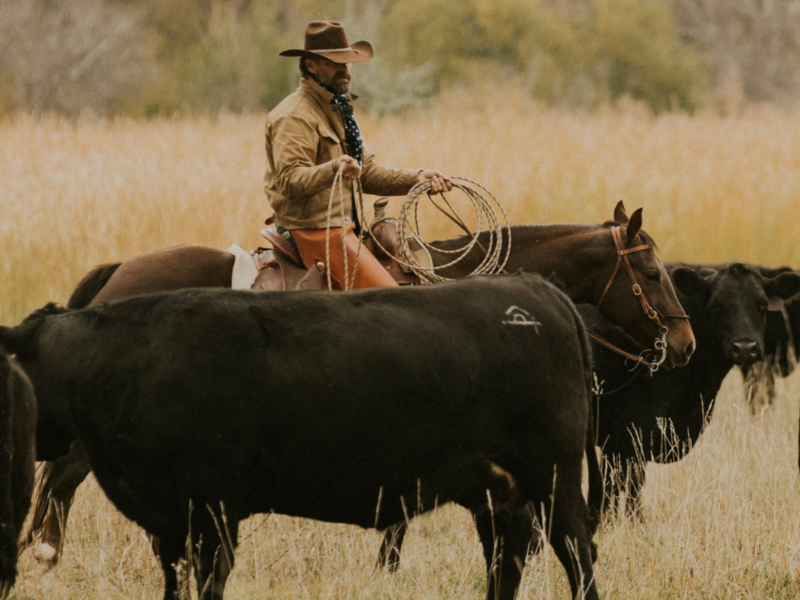
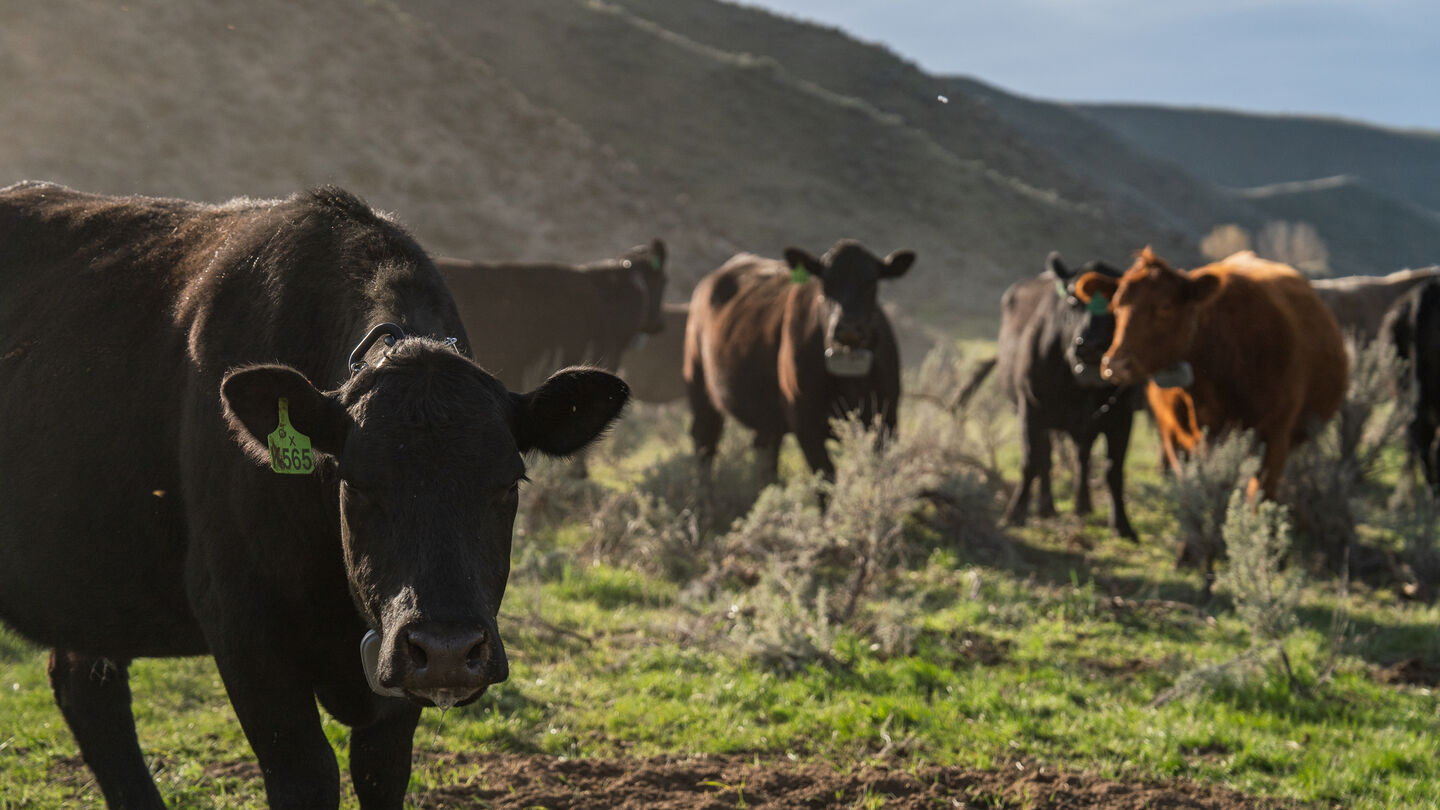
Maintaining a national cattle herd requires three things: healthy grasslands, water, and ranchers.
In the most recent census, the U.S. Department of Agriculture (USDA) found a seven percent decline from 2017-2022 in family farms and ranches. This downward trend is driven by rising input costs, competitive land uses, market consolidation, international trade policy, limited processing capacity and environmental factors such as extended drought and wildfire. The loss of these farms erodes rural economies, food security and local communities.
In the Great Plains, a major cattle production area, economic policies are driving more than two million acres of grasslands into subdivisions and under the plow each year. That’s more than 5,000 acres per day. Similar trends are underway in other regions of the country. America’s irreplaceable grasslands are literally vanishing by the hour.
From an environmental standpoint, grasslands are the most imperiled terrestrial ecosystem on earth, supporting a dazzling variety of wildlife, from the now endangered monarch butterfly to millions of migrating birds. They also feed our aquifers and contribute to a healthy climate. Grassland ecosystems co-evolved with grazing animals, and well-managed ranching supports all of these values.
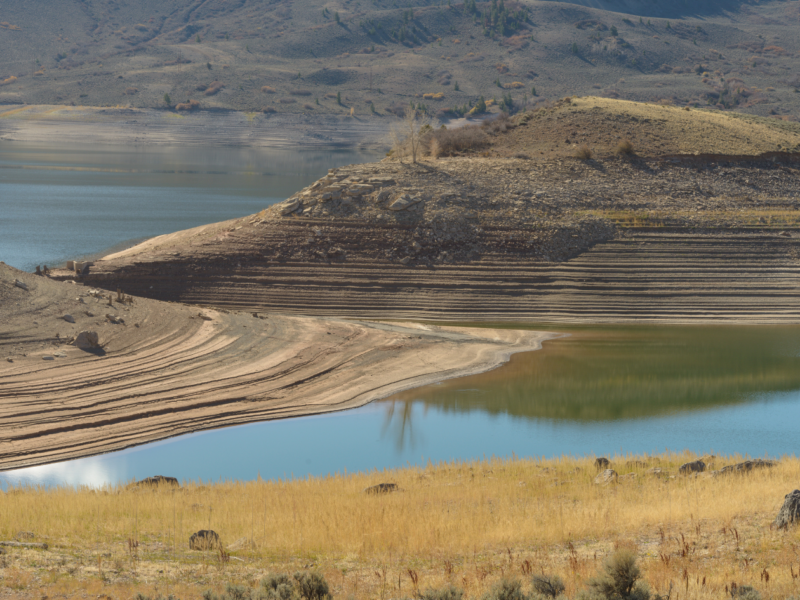
In the meantime, major river basins such as the Colorado and Rio Grande, as well as aquifers like the Ogallala, are at historic lows. Important reservoirs such as Lake Powell and Lake Mead have reached crisis points.
The United States should be doing all it can to conserve and support our grasslands, water resources, and farmers and ranchers. Why are we doing the opposite?
Flooding the market with imported beef makes it harder for ranchers to stay in business, much less to grow the national cattle herd.
Since January 2025, the Natural Resources Conservation Service, which provides essential support to farmers and ranchers, has shed a quarter of its workforce. Altogether, the USDA has cut more than 20,000 workers. Basic services like contracting, technical assistance, grant disbursement, and rural business loans are increasingly hard to get in a timely manner, if at all.
Congress has also failed to pass a farm bill. Should a bill eventually make its way through partisan gridlock, all indications point to further cuts ahead. The Administration proposes $5 billion in cuts to rural development, beginning farmers and ranchers, and conservation programs. The Senate Agriculture Committee’s draft would cut nearly $2 billion from the Environmental Quality Incentives Program alone. And, as water shortages intensify, technical and financial support for watershed improvements, water infrastructure and drought adaptation is drying up.
Immigration policy is also having an impact. Today, less than two percent of the US population is directly engaged in agriculture. The average age of farmers is 58 and today’s beef supply chain is dependent on immigrant workers, many of whom lack access to visas and legalization pathways.
These policies have real consequences. In the time it took you to read this essay, another 4.7 acres of agricultural land went out of production. If we want a robust American economy, lower national debt and strong trade leverage, we need real investment in America’s most important resources: our people and our land.