Drought Adaptation Starts Well Before the Drought
Ranch managers across the West are adapting their operations to increasingly variable conditions and sharing what they’re learning along the way.
Drought is nothing new to ranchers in the American West. What is changing is the uncertainty around when dry conditions will arrive, how long they will last, and how quickly a ranch may need to adjust.
At a recent Western Landowners Alliance Ranch Managers Guild meeting focused on drought planning and adaptive management, ranch managers from across the West shared what they have learned from managing livestock and landscapes through dry years.
Start with the Land
For Chris O’Connor, drought planning starts with knowing what is happening across the ranch.
O’Connor manages Babacomari Ranch in southern Arizona, where the ranch receives an average of about 15 inches of precipitation each year. When he arrived in 2024, most of the pastures were already being used, and the ranch had limited systems for tracking rainfall and forage conditions.
Spring forage data indicated that the ranch needed to adjust its stocking rate to match available forage. By fall, O’Connor had substantially reduced the herd to respond to those conditions.
Today, the ranch collects forage data at multiple locations. O’Connor uses consistent sampling methods to establish dry-matter and pounds-per-acre estimates, then uses that information to help determine stocking rates and grazing plans.
The ranch also tracks rainfall at multiple locations. That matters in southern Arizona, where a storm can drop substantial rain in one part of the ranch while leaving another part dry. O’Connor uses a water calendar to compare rainfall with historical averages and track how conditions are changing over time. Together, those records help him determine when management needs to change.
The goal is not to predict exactly what the weather will do. It is to recognize changing conditions early enough to respond.
Decide Before You Have To
At Glass Mountains Ranch near Alpine, Texas, Director of Ranch Operations Travis Dimler also emphasizes the importance of understanding what the ranch can support before conditions become critical. The ranch typically receives 12 to 14 inches of rain each year, but annual precipitation can range from as little as four inches to more than 20. For Dimler, improving range conditions is the primary goal, with cattle serving as one tool for building healthier grasslands and soils.
That starts with understanding the landscape.
“The most important thing is to make sure you have a really good map of the ranch, pasture map, and a map of the waters,” he said. “Study it all the time and know it.”
Rainfall records provide another piece of the picture.
“Start keeping detailed rainfall records and study them and look at them and think about every rain you get in contrast to previous years.”
For Dimler, having that information before a dry year makes it easier to recognize when conditions have changed and act before the available options narrow.
Make the Herd Fit the Landscape
Sometimes responding to drought means changing the herd.
At Babacomari Ranch, prolonged dry conditions eventually meant another reduction in livestock. By fall 2025, O’Connor had reduced the herd to about 120 mother cows. O’Connor described the conditions as a 120-year drought. Oaks were dying, watersheds were drying up, and wildlife was feeling the effects.
Reducing livestock numbers is rarely a simple decision. Managers have to weigh available forage against cattle markets, genetics, future restocking costs, and the operation’s long-term direction. For O’Connor, drought has also prompted a closer look at which cattle are best suited to the environment.
“Make our herd code match our ZIP code,” he said.
In a drier environment, selecting cattle that can perform under those conditions can become another part of building resilience. The goal is to develop a herd that works with the landscape rather than asking the landscape to support cattle that do not fit it.
Water Changes the Equation
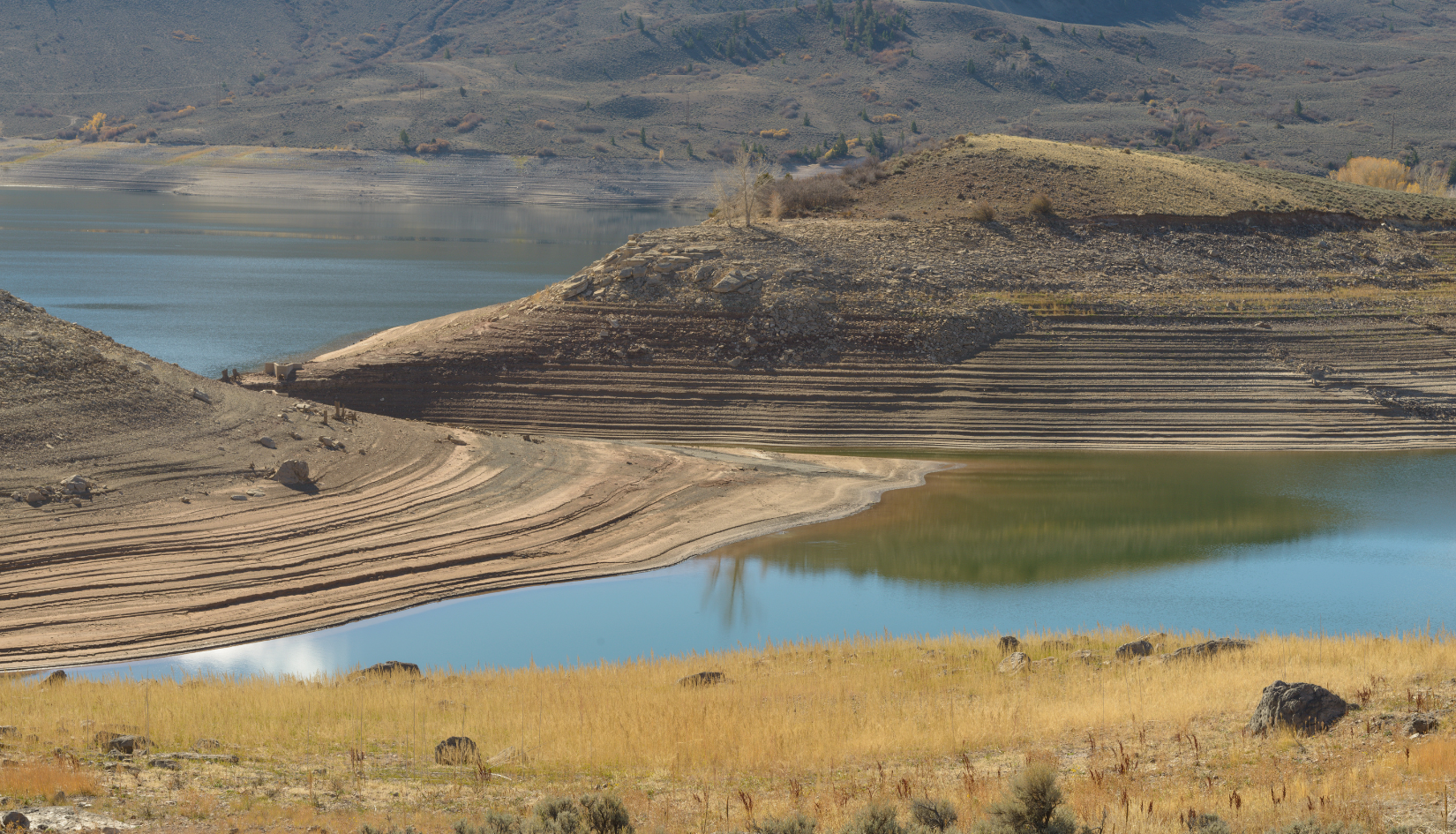
For Colorado ranch manager Travis Brooks, drought planning often starts with snowpack.
On his Western Slope operation, January 15 is an important date. That is when Brooks begins looking closely at snowpack and considering what the coming grazing season may hold.
“If the forecast isn’t showing great signs and we’re not holding in the upper 75% [of normal] snowpack, then we need to start considering alternatives,” he said. Snowpack directly affects season-long water availability and can determine where and when livestock graze, whether the ranch needs to haul water, and what other costs may be coming.
Technology Can Help Managers Keep Watch
Technology is giving ranch managers new ways to monitor conditions across large operations.
O’Connor uses RanchBot to monitor stock tanks and control pumps remotely. If a tank develops a leak, he can identify the problem and shut off the system from his phone.
Dimler uses digital mapping tools to track pastures and water infrastructure across the ranch. He also uses USDA forage monitoring as another source of information, while recognizing that remote data cannot replace detailed, on-the-ground forage inventories.
Technology does not replace time on the land. It gives managers another tool for keeping watch across large and often remote operations.
Have a Plan Before You Need It
Drought planning also means having alternatives ready before they become necessary.
That might mean reducing livestock numbers, keeping hay in reserve, pursuing alternative grazing arrangements, maintaining relationships with potential grazing partners, or identifying additional sources of income that can help an operation weather a difficult year.
“Have Plan A and Plan B so you don’t have to completely sell out,” O’Connor said.
Dimler emphasized the importance of thinking ahead about where cattle could go if conditions deteriorate. “If you don’t, you will be out of business.”
Good years give managers an opportunity to build reserves, establish relationships, and make decisions that preserve flexibility later.
Drought will remain part of ranching in the West. The question is not whether dry years will come, but whether ranches are prepared to make the decisions those years require while keeping the land healthy and the operation viable for years to come.
Resilience Is a Moving Target
No single drought plan works across the West. A ranch in southern Arizona faces different conditions than one in West Texas or on Colorado’s Western Slope, and even within an individual ranch, conditions can vary from one pasture to another.
The Ranch Managers Guild brings together experienced ranch managers from across the West to share practical knowledge and learn from one another. Guild members have access to peer-to-peer discussions, workshops, field-based learning opportunities, and conversations focused on the real-world challenges of managing working lands.
If you’re a ranch manager interested in connecting with peers and learning from others doing this work across the West, consider joining the Ranch Managers Guild.