From 12 Cattle to 14,000 Acres: New Mexico Leopold Award Winners grew with passion and care
Carlos and Nelia Armendariz built their New Mexico ranching operation from a small grazing lease into a 14,000-acre enterprise, pairing changes in grazing management with investments in water infrastructure, rangeland restoration, and a family-run meat business.
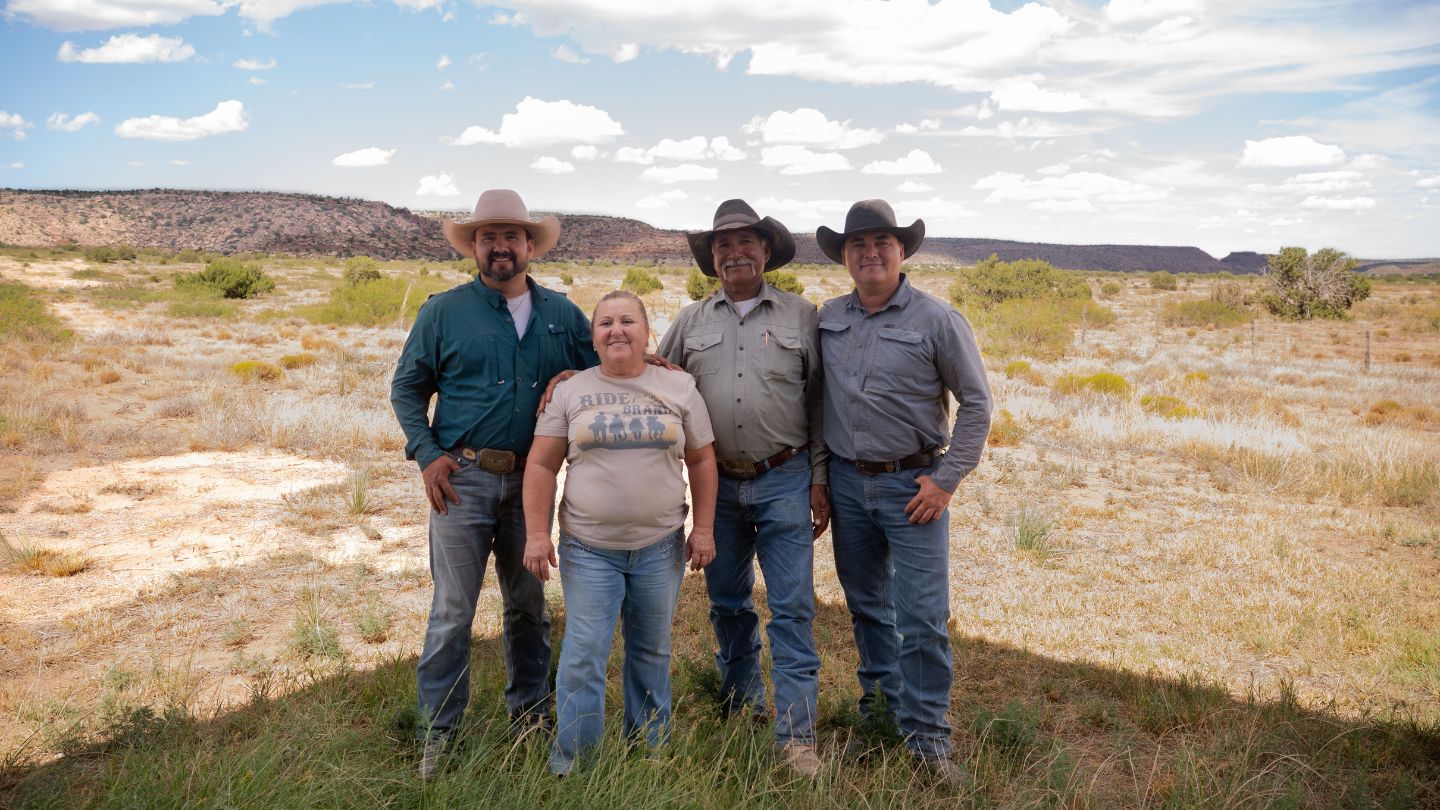
In 2002, Carlos and Nelia Armendariz had 12 head of cattle and a grazing lease in New Mexico. Today, Rancho Armendariz and the family’s leased properties span 14,000 acres across four counties. Along the way, they have invested in water infrastructure, changed how they manage livestock, and built a business that connects their ranching operation directly with customers.
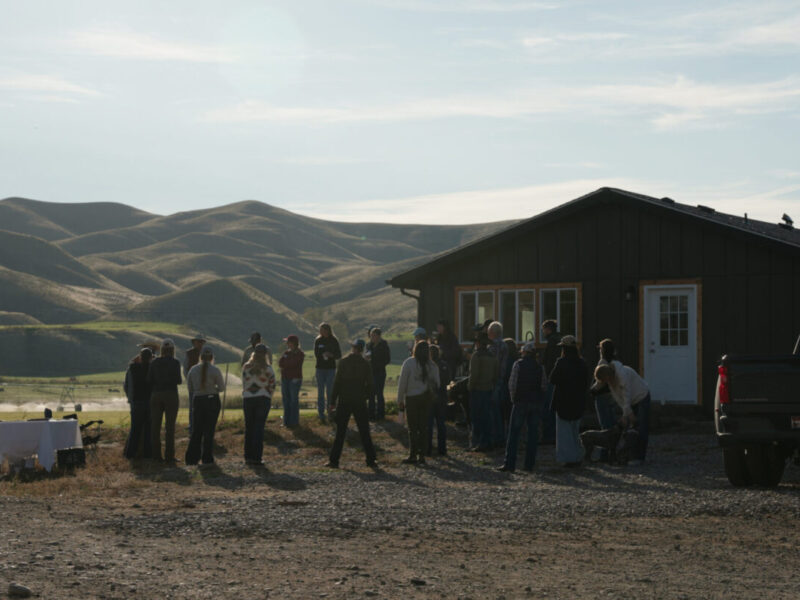
Their work earned them the 2026 New Mexico Leopold Conservation Award, presented October 20 at the New Mexico Association of Conservation Districts’ annual meeting in Albuquerque. The $10,000 award recognizes farmers, ranchers, and forestland owners for their efforts to improve soil health, water quality, and wildlife habitat.
The family’s story began well before they acquired their first grazing lease. Their path to ranch ownership reflects years of working in agriculture, learning how different management decisions affect the land, and building an operation that could support their family.
Building a ranch from the ground up
Carlos and Nelia immigrated from Mexico in 1989. With their two young sons, Jim and Jovani, they worked as ranch hands and sheepherders while saving toward the goal of running a ranch of their own.
When they began leasing grazing land, many of the properties were in poor ecological condition. Overuse had left bare ground, limited vegetation diversity, and declining forage productivity.
Through changes in grazing management and favorable rainfall, some of these properties began transitioning into productive, biologically diverse grassland savannas. Their results attracted other landowners, who entrusted the family with additional acreage. Eventually, Carlos and Nelia purchased their own land.
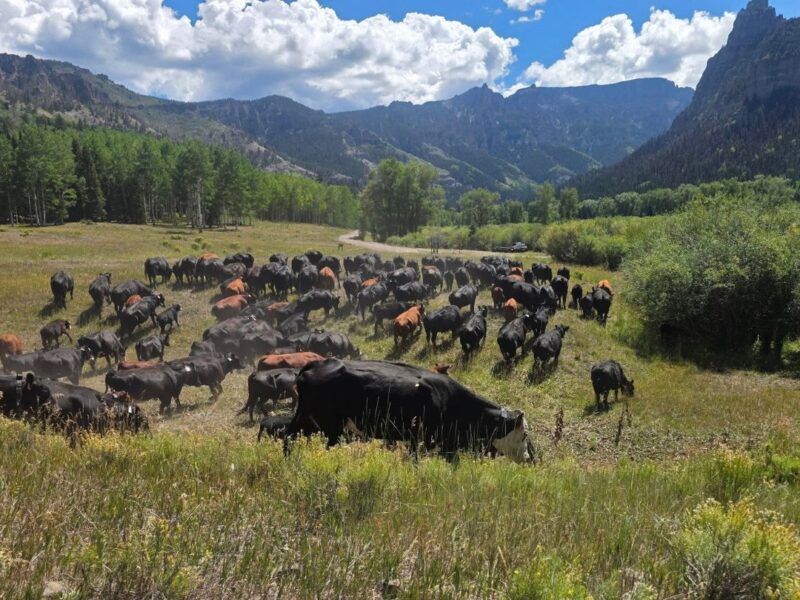
Today, the family manages approximately 250 beef cattle across properties in De Baca, Guadalupe, Quay, and Roosevelt counties. Managing that much land requires more than moving cattle from one pasture to another. Water availability, forage distribution, and range condition all factor into how the family manages its operation.
The family has constructed 32 erosion-control structures, removed mesquite and juniper from more than 5,000 acres, and used prescribed fire on another 700 acres to help native grasses reestablish.
Making water work across the ranch
In arid and semiarid landscapes, where water is limited and unevenly distributed, the location of water sources can influence where cattle graze and how heavily they use particular areas.
Since 2017, the Armendarizes have installed nine solar pumps, four miles of water pipelines, 14 watering facilities, and more than nine miles of cross fencing. Together, these improvements give the family more options for distributing livestock across the ranch and managing grazing pressure.
They have also incorporated technology to make daily management more efficient. Telemetry-based sensors let the family monitor water levels in remote storage tanks without visiting each one. More recently, they deployed 350 virtual fencing collars on their cattle, allowing them to manage livestock movement with greater precision.
These investments are part of a broader rangeland management approach. The family has constructed 32 erosion-control structures, removed mesquite and juniper from more than 5,000 acres, and used prescribed fire on another 700 acres to help native grasses reestablish.
The goal is to maintain productive grazing land while improving the conditions that support healthy soils, vegetation, and wildlife habitat.
The work also illustrates how conservation on working lands often happens through a series of practical management decisions. Water infrastructure, fencing, vegetation management, and grazing strategies are not isolated projects; they are tools ranchers can use together to address the conditions they see on the ground.
Building a business alongside the land
For the Armendarizes, the long-term future of their ranch depends on economic resilience as well as land management.
When the COVID-19 pandemic disrupted beef supply chains, Carlos and Nelia founded A&G Family Meats, a direct-to-consumer business selling grass-finished beef, lamb, and pork. The business gives the family a more direct connection to customers and has helped strengthen the ranching operation’s economic resilience.
Their sons have also built careers connected to agriculture and animal health. Jim serves as the State Rangeland Management Specialist for the USDA Natural Resources Conservation Service, and Jovani is a veterinarian.
The family’s experience brings together several parts of working lands stewardship: managing the land’s ecological condition, maintaining a viable agricultural operation, and preparing for the next generation.
It reminds us that conservation decisions are made within the realities of running a business. Infrastructure requires investment, management strategies must work for the operation, and the land must continue to provide a livelihood.
Stewardship beyond one ranch
The Leopold Conservation Award is named for Aldo Leopold, whose 1949 book, A Sand County Almanac, helped shape modern conservation ethics. Leopold argued for a relationship with the land that recognizes people as part of a larger ecological community, with responsibilities that extend beyond immediate economic returns.
The award celebrates landowners who put that ethic into practice. In New Mexico, the Armendarizes have shared their experience with other landowners and encouraged wider adoption of conservation practices.
Vincen Cordova, chairman of the Guadalupe Soil and Water Conservation District, described the family as “dreamers, doers, mentors, and pioneers.”
Their journey from a 12-head grazing lease to a 14,000-acre operation shows how working lands stewardship can develop over decades. It takes practical knowledge, continued investment, and a willingness to adjust management as conditions change.
The Armendarizes’ experience offers one example of how ranchers can work toward productive landscapes while sustaining the businesses and families that depend on them.
Western Landowners Alliance supports the New Mexico Leopold Conservation Award, which recognizes landowners for their commitment to caring for working lands.