Stream Restoration on the Knight Ranch to Improve San Juan Cutthroat Trout Habitat
The article and photographs below were created by Ed MacKerrow between August and October of 2025. Ed tragically passed away shortly afterward. It has been lightly edited to update the story of this stream restoration project to the present day. His work on the Knight Ranch restoration project was a great example of his caring soul, and we mourn his passing.
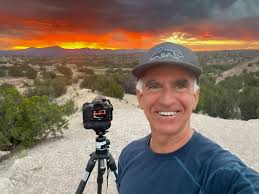
Initial field visits before the installation of an upstream fish barrier
Chromo, Colorado – Recent visits to the Knight Ranch in Southern Colorado, just north of Chromo, were made to document a stream restoration project aimed at improving stream habitat for the native and rare San Juan Cutthroat trout on the Little Navajo River.
These visits were made before the installation of an upstream trout barrier. The overall plan is to relocate non-native fish (rainbow brown Trout) from above the planned fish barrier to the lower stretches of the river, thereby protecting and promoting upstream populations of native San Juan Cutthroat trout.
The Work
Stream improvements such as rock deflectors, rock sills, and woody debris play a vital role in creating diverse and stable trout habitat. Rock deflectors help redirect flow, reduce bank erosion, and increase channel complexity, while also forming pockets of slower water where trout can rest and feed.
Similarly, rock sills stabilize streambeds, prevent excessive downcutting, and create step-pool sequences that provide both cover and oxygenated water. Adding woody debris along banks not only strengthens erosion control but also produces natural hiding structures and feeding areas that mimic the complexity of wild river systems. Together, these features promote diverse flow conditions and cover types crucial to the lifecycle of trout.
Channel shaping, deepening pools, and constructing new pools further support trout by maintaining the cold, oxygen-rich water they require throughout the year. Pools serve as essential refuge areas during warm summer months and harsh winter conditions, offering depth and cover from predators.
Hardening the surface at vehicle crossings also plays a vital role by reducing sediment loading, which can otherwise smother spawning gravel and degrade water quality.
By balancing flow, reducing erosion, and enhancing physical structure, these stream improvements collectively restore natural processes, increase habitat complexity, and ensure suitable spawning, rearing, and feeding environments for healthy trout populations.
How it Looks Today
Our first field visits to the Knight Ranch in August took place during a period of record-high temperatures and low water flows in the southern San Juan Mountains. Eventually, summer monsoon rains came, and stream flows improved, clearing out some of the algae growth in the lower river.
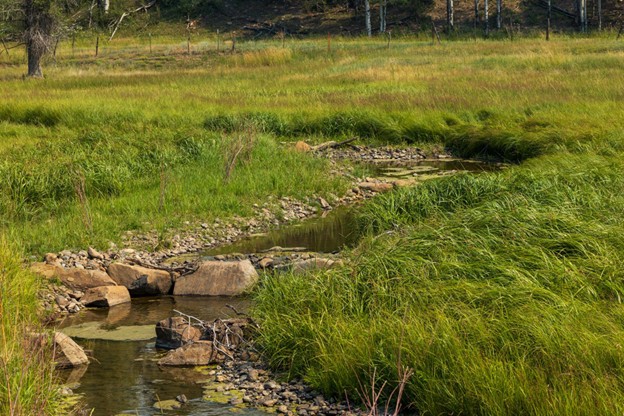
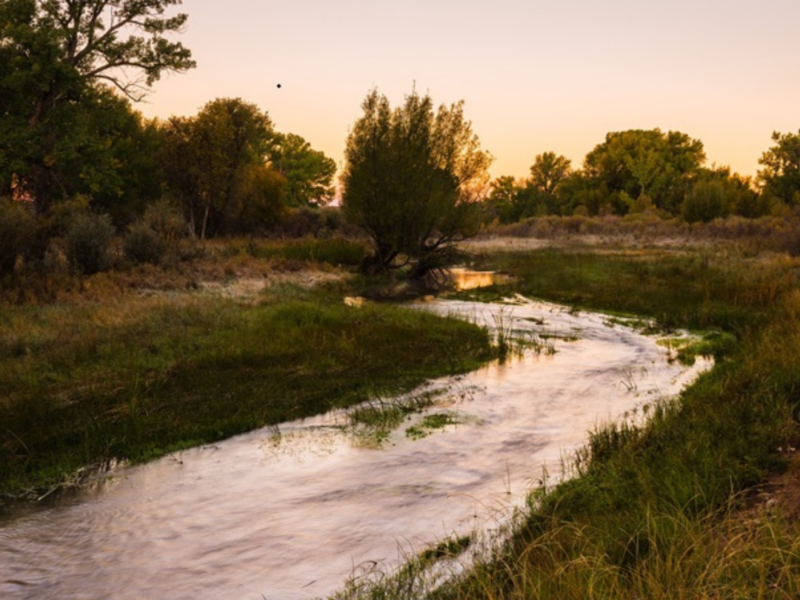
A section of the Little Navajo River in the lower meadow areas of the Knight Ranch during very low water (August 21, 2025). Algae growth and warm water temperatures were observed at this time. The stream restoration features, like the installed rock spill over in this photograph, help oxygenate the water when there is adequate (normal) stream flow.
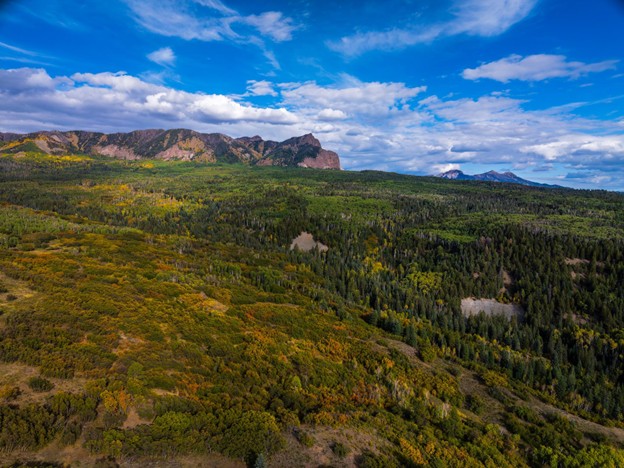
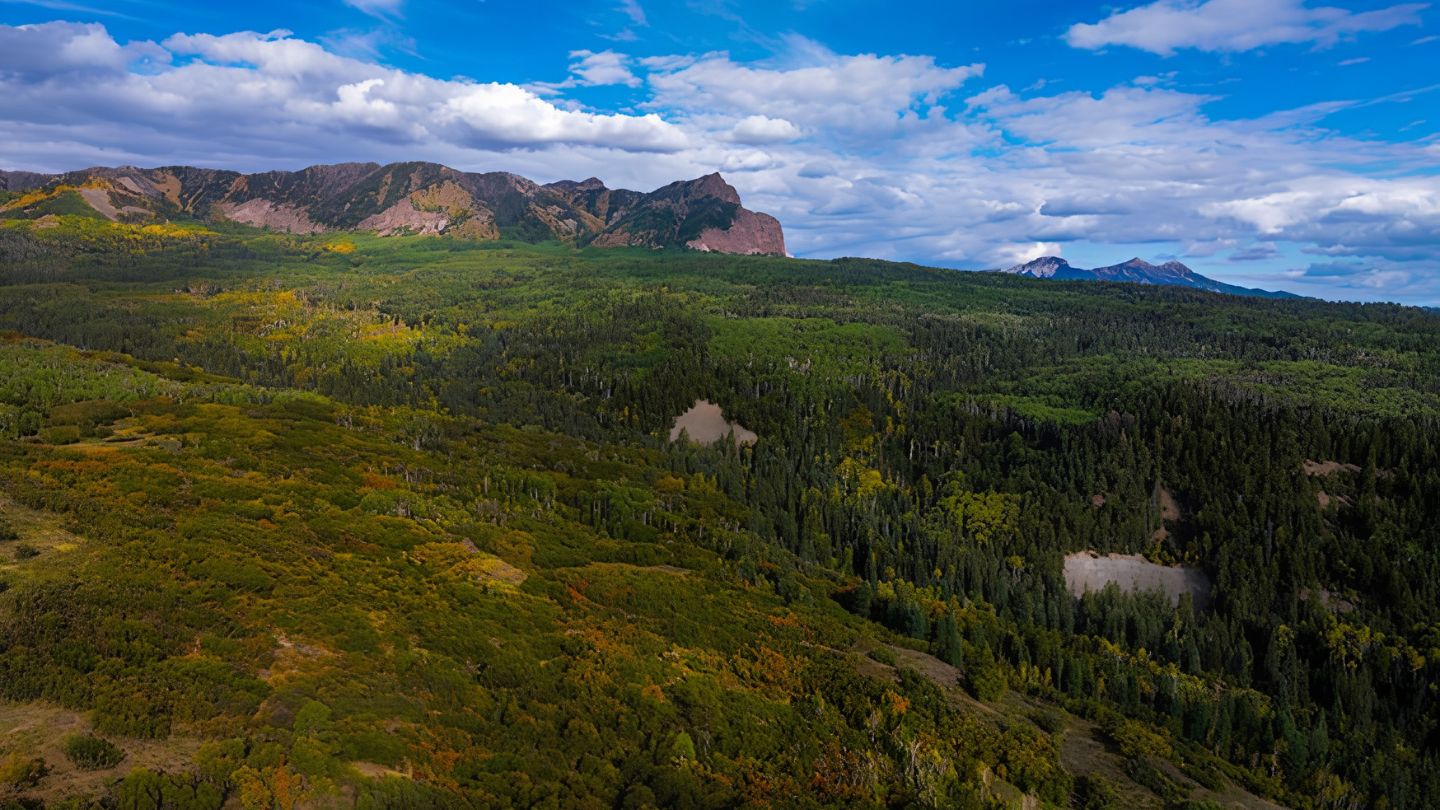
An aerial view of the upper reaches of the Little Navajo River as it flows down into the Knight Ranch from left to right in this photo. The stream gradient slowly increases to the west (right) in this image.
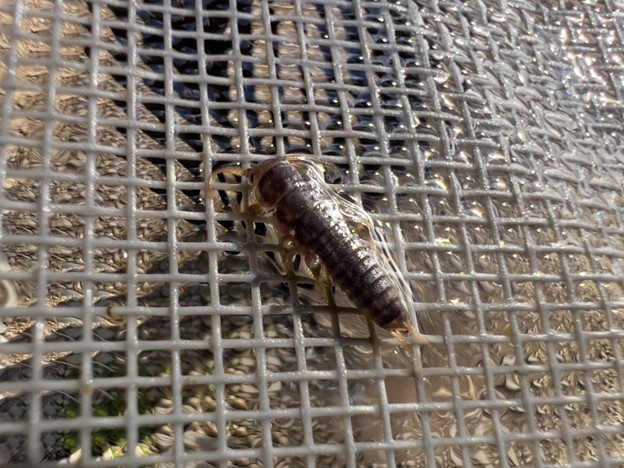
A Golden Stonefly nymph (Claassenia sabulosa) found in the Little Navajo River on the Knight Ranch, close to the USFS border, upstream of the San Juan Chama Project Oso Diversion. September 26, 2025. The occurrence of aquatic insects we found increased as we went upstream and into more oxygenated water.
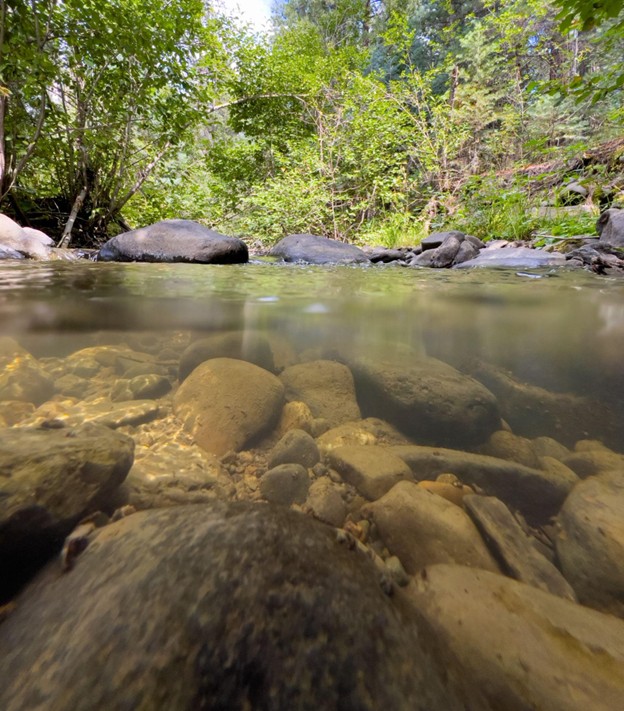
The upper mixed conifer regions of the Little Navajo River are very shaded. Aquatic insects we found in this section included stonefly and mayfly nymphs. The upper sections of the stream were colder and had less algae growth, as some of the lower meadow sections – 2025 had very low and warm water conditions.
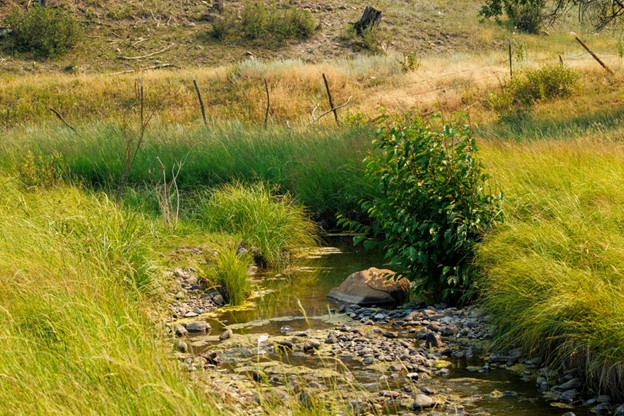
Planting native trees, like this Coyote Willow, along the stream banks helps prevent erosion, provides cover for trout, and forage for stream insects – supporting trout food resources. The low, warm water and algae are apparent in this image taken August 21, 2025 during record low water conditions. Thankfully, a burst of monsoon rains in September has helped flush out the stream.
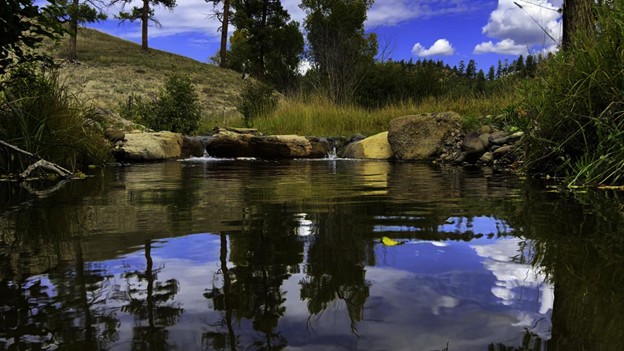
A rock weir with a scour pool feature installed in the lower meadow section of the Little Navajo River on the Knight Ranch. These features are designed to enhance trout habitat by creating deep pools for cover and cooler water, as well as increasing habitat complexity through a combination of riffles, runs, and pools. The created scour pool is essential for trout, particularly in hot or drought conditions, as it provides refuge with deeper, cooler, and more oxygenated water. September 26, 2025.
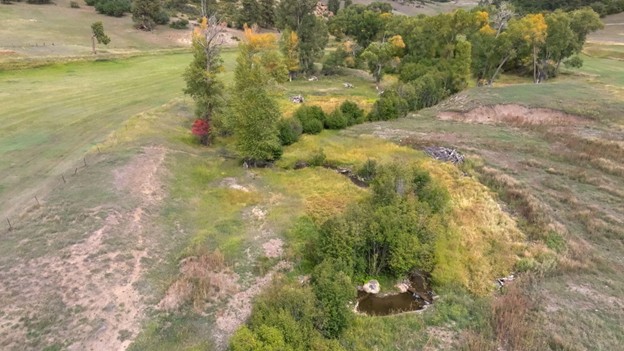
Aerial view of the “middle-top” section of the meadow reach along the Little Navajo River at Knight Ranch, highlighting recently installed rock weir-pool structures that create deeper, cooler pools, essential for supporting trout during summer heat and winter freezes.
Additional field trips are planned to the Knight Ranch and the upper reaches of the Little Navajo River following the recent monsoon rains and the onset of cooler fall weather. These visits will highlight how the stream restoration project is adding critical structure and cover to the river. Such features are essential for sustaining healthy trout habitat, especially during increasingly common droughts and extreme heat events brought on by climate change in the Southern San Juan Mountains.
While Ed was unable to make these additional trips, WLA is still involved in the ongoing restoration process. Stay tuned for future updates.
“I want you to know about Ed because he was a champion working behind the scenes on behalf of working lands and the people who care for them. He was not a landowner, not a farmer or rancher, not a hunter. He was a physicist and a photographer. I had the honor and the pleasure of working with Ed in New Mexico to help people understand why private and working lands are so important when it comes to everything from food production to wildlife conservation. Ed had an open and inquisitive mind. He brought humor, passion, dedication, expertise and genuine kindness to this work. He will be deeply missed.“
– Lesli Allison, CEO of Western Landowners Alliance, in a remembrance of Ed sent to WLA members in the Fall of 2025