Why Did the Grizzly Bear Cross the Road?
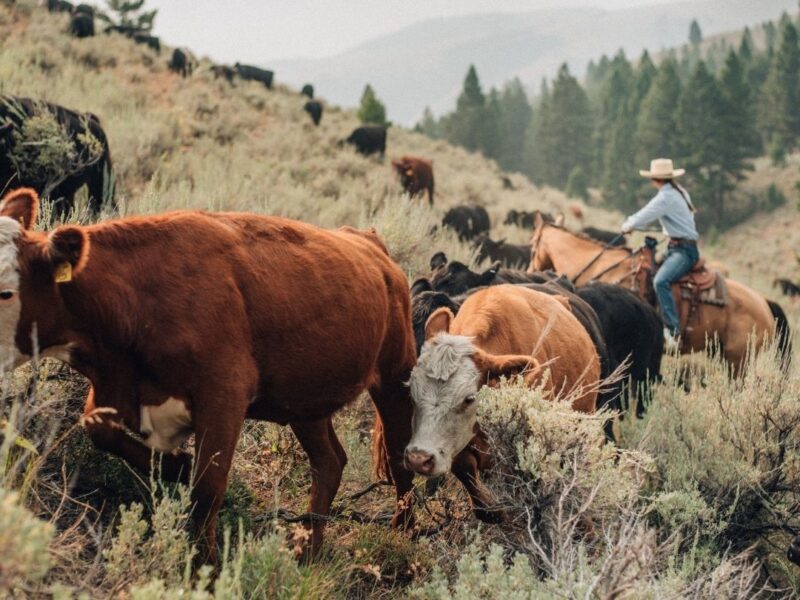
Working lands help give expanding grizzly populations room to roam – but highways can turn those connected landscapes into isolated islands.
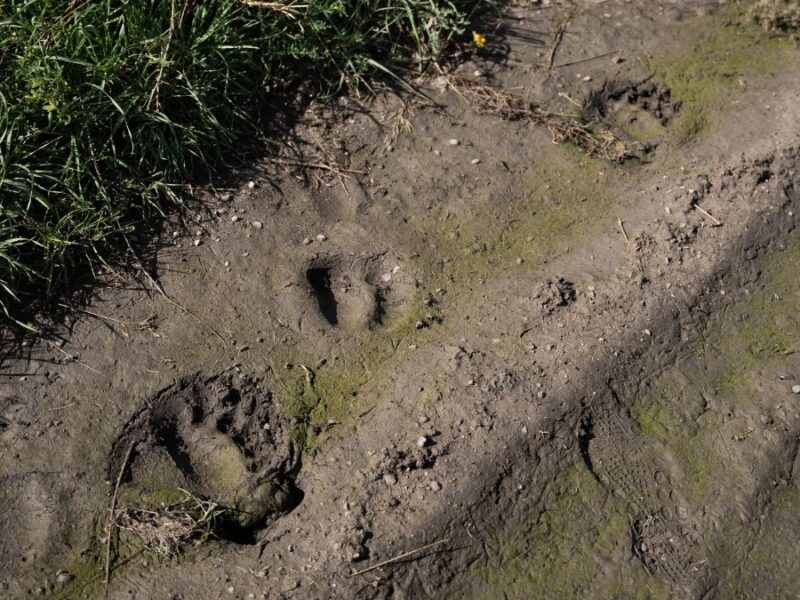
In this episode, we follow the movement of grizzlies across the Northern Rockies and explore how roads can become barriers to bears and other wildlife. From a bear that approached I-90 47 times before finally crossing, to a stretch of Highway 93 in Montana where vehicle collisions are a major source of grizzly mortality, we dig into the science of what grizzlies need to cross a road.
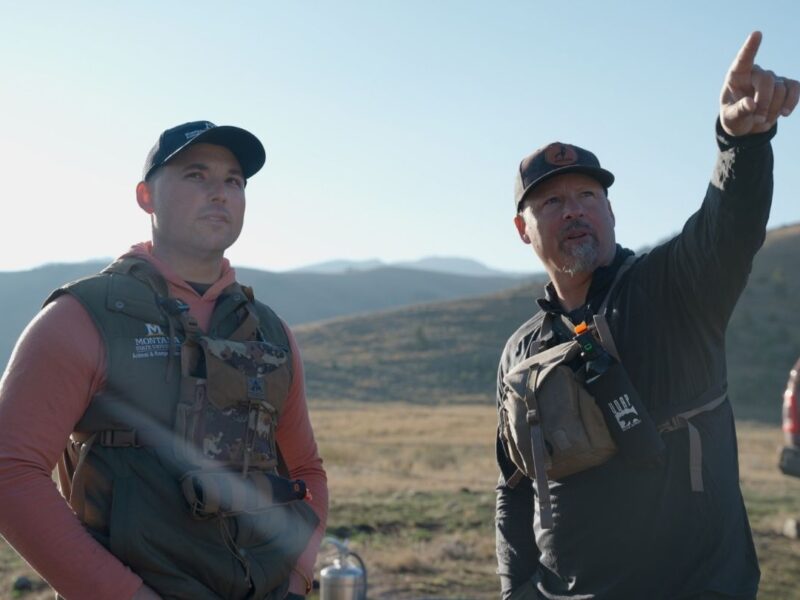
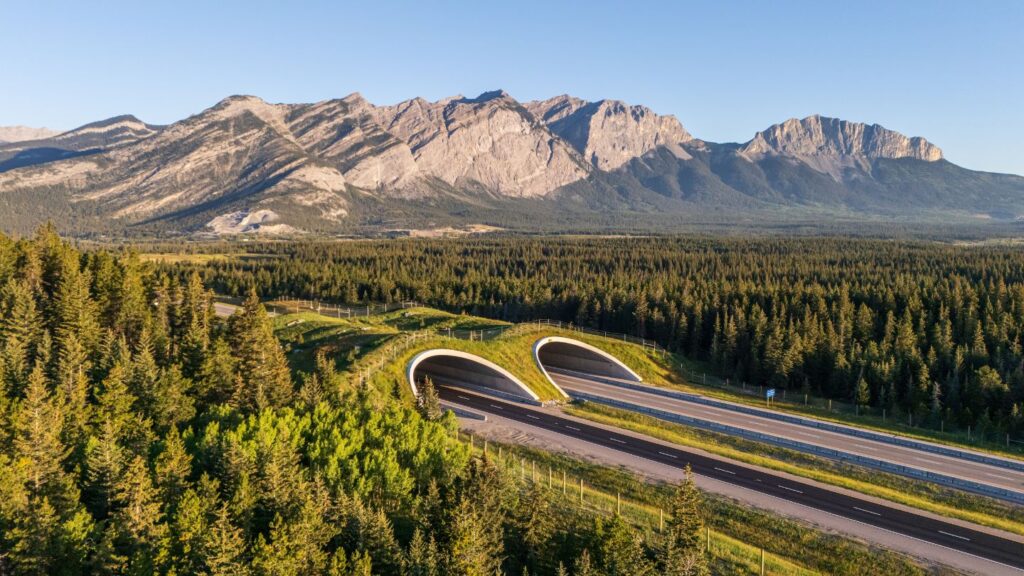
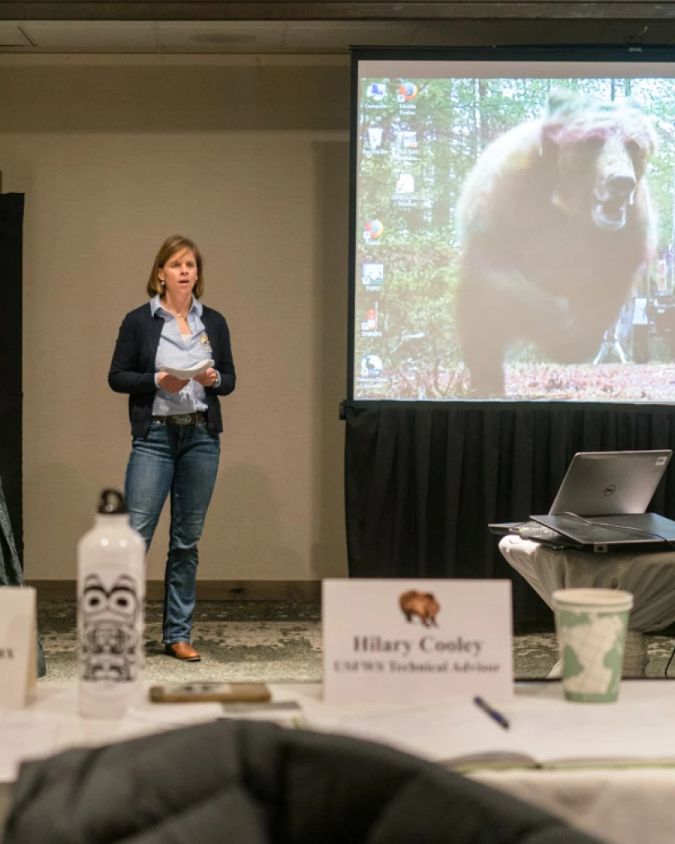
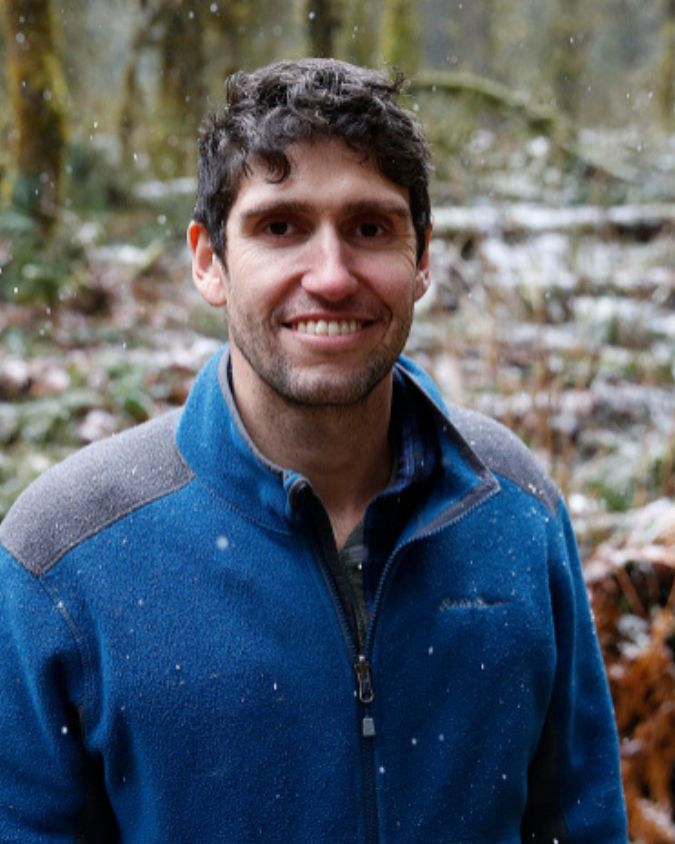
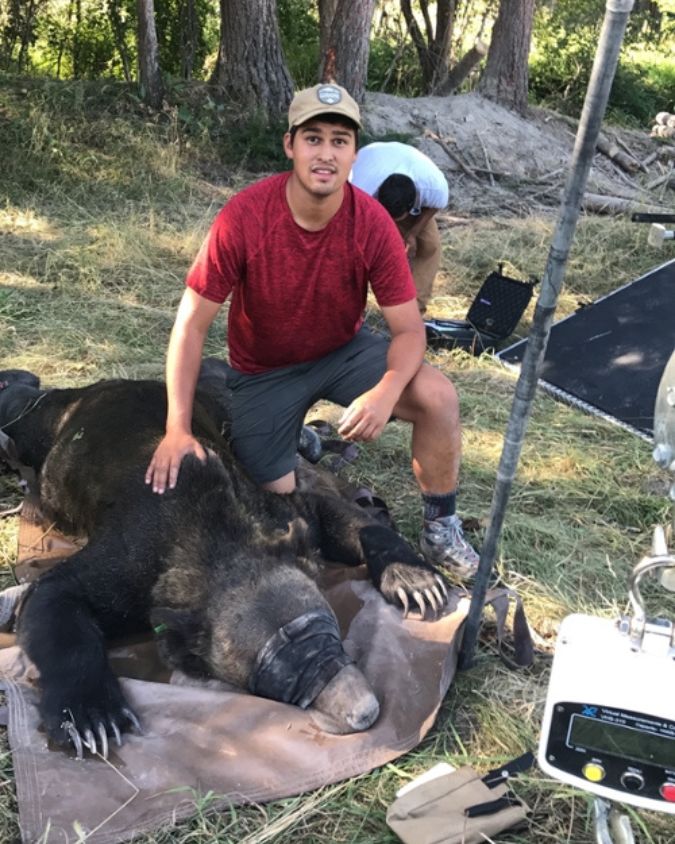
Environmental journalist and author Ben Goldfarb takes us into the emerging field of road ecology, while wildlife managers with the Confederated Salish and Kootenai Tribes and the US Fish & Wildlife Service show us how wildlife crossings can reconnect habitat and make highways safer for people and animals.
But a crossing is only as useful as the land it connects. What will it take to keep those landscapes intact, too?
Listen
Topics discussed
Topics discussed: grizzly bear habitat connectivity, wildlife-vehicle collisions, road ecology, wildlife crossings and overpasses, Banff National Park wildlife crossings, private working lands and habitat connectivity, conservation easements and land stewardship, the economics of wildlife crossings, funding for wildlife crossing infrastructure
Featuring

Credits
Working Wild University is a production of Western Landowners Alliance and Dr. Jared Beaver of Montana State University Extension, and a proud part of Natural Resources University podcast network.
Hosted by Hallie Mahowald and Jared Beaver; Produced by Zach Altman; Editing by Kathleen Shannon and Zach Altman; Executive producers: Louis Wertz, Jared Beaver, Hallie Mahowald and Erik Kalsta.