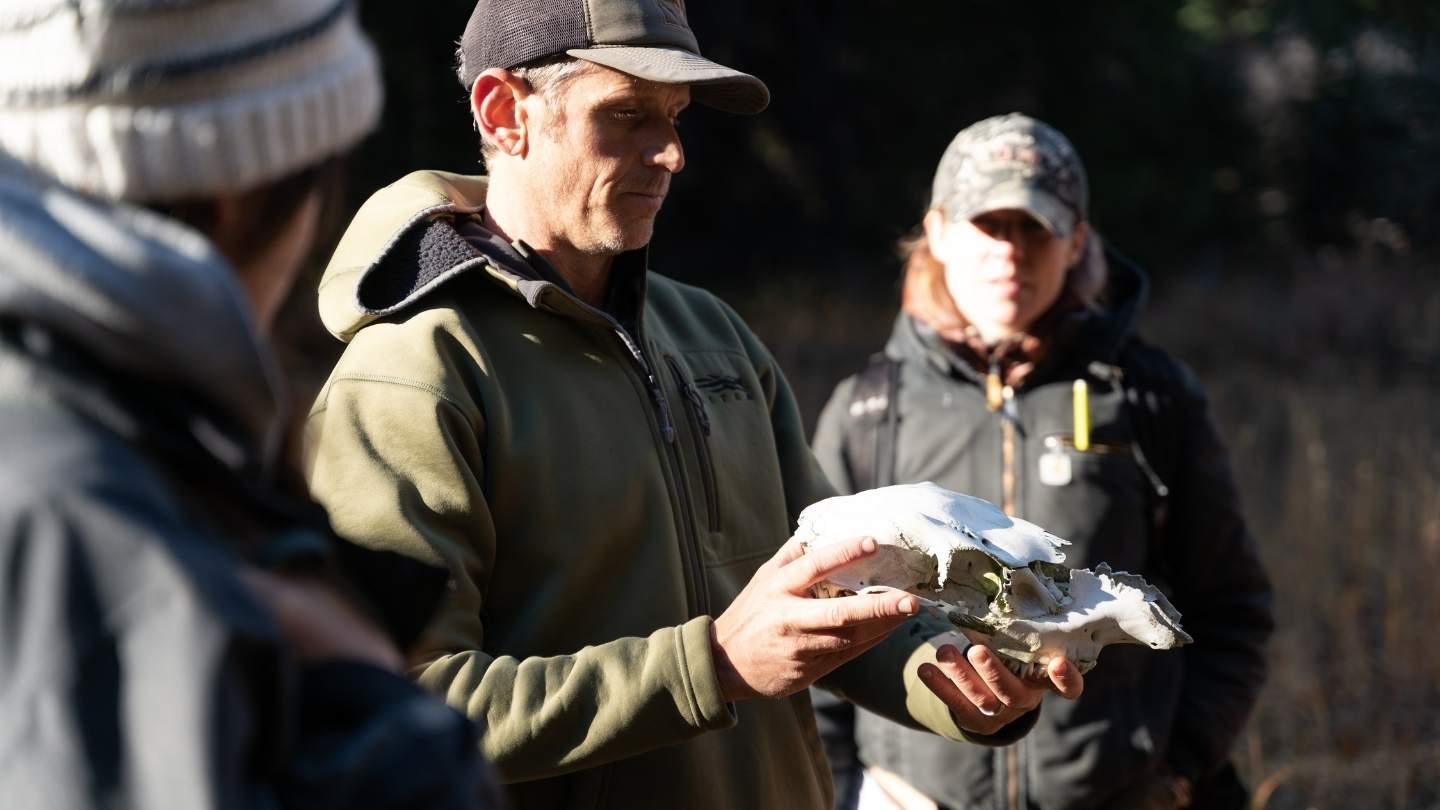
“Be community-oriented.”
Kim Kerns, a sheep rancher from Oregon, clarified her first rule of range riding early on a windy Thursday morning at Western Landowners Alliance’s Range Riding Workshop on the University of Montana Western’s campus in Dillon, MT.
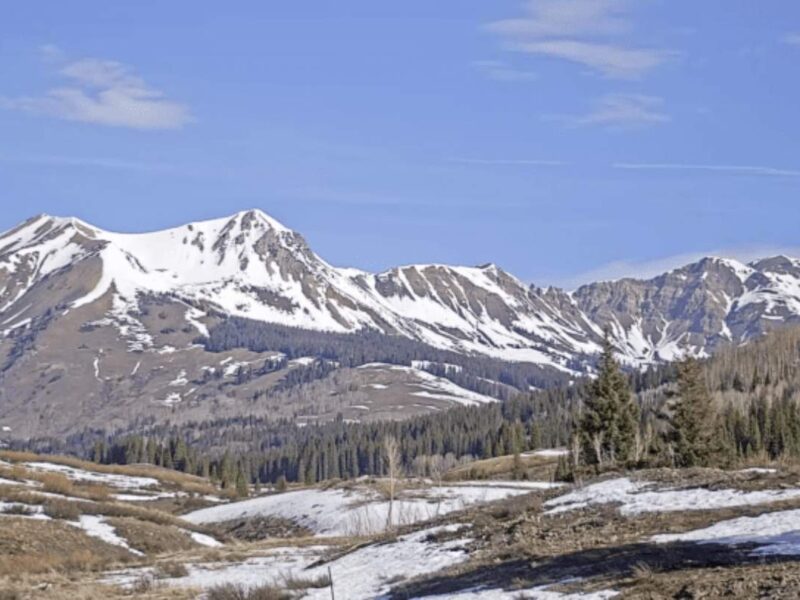
Organized by WLA and featuring Utah State University PhD candidate Rae Nickerson and Ruby Dell Ranch range rider Amber Mason, this two-day course dove deep into this diverse and adaptable practice. The opening classroom session focused on learning the context of a producer’s land, understanding good range riding’s impacts on an operation’s financial resiliency, discussing what kind of data to keep when out on the range, how to track predators and read sign, and what producers and government officials are thinking about when it comes to resolving conflict. Being in the room with people who have faced down grizzly bears, wolves, and, in the case of WLA’s Southwest resource coordinator Sisto Hernandez, cartel members, kept new information and unexpected stories flowing throughout the long classroom day. On day two, folks were out tracking predators and learning how to read animal sign with Cyber Tracker North America during a slushy early-season snowstorm In the Pioneer Mountains.
What Range Riders Do
Range riding is an old-school approach to livestock management that new technologies and new ways of thinking have returned to producers’ toolbelts all over the West. While predators like grizzly bears and wolves have been reintroduced to parts of the West they hadn’t roamed in a century over the past few decades, the work range riders are doing is not particularly new.
“We’re going back to doing the things our great grandfathers were doing,” Kerns said.
Essentially, a range rider’s job is conflict reduction. To the hardened hand that can sound a bit airy at first. The classroom session helped turn that broad impression into brass tacks: communicating clearly and regularly with the producer about what is happening on their land and with their herd, and herding, hazing and other techniques to keep livestock from being attacked by predators.
“We’re not looking for Instagram cowboys,” Erik Kalsta, WLA’s the Working Wild Challenge director, told the group early on. Indeed, some things range riders see would never fly on Instagram. The evidence of depredation is often gruesome: slides during the classroom session showed how bears remove the skin from their prey like a banana peel, and wolves tend to go for soft tissue under the legs and hindquarters often eating their victims alive.
Economic Incentive
“Reducing conflict is central to the practice, but it’s not all of it,” Kalsta said, “the bottom line is protecting the bottom line.”
Predators are a financial threat to the ranch, and we need a variety of practices to mitigate the effects on our business.
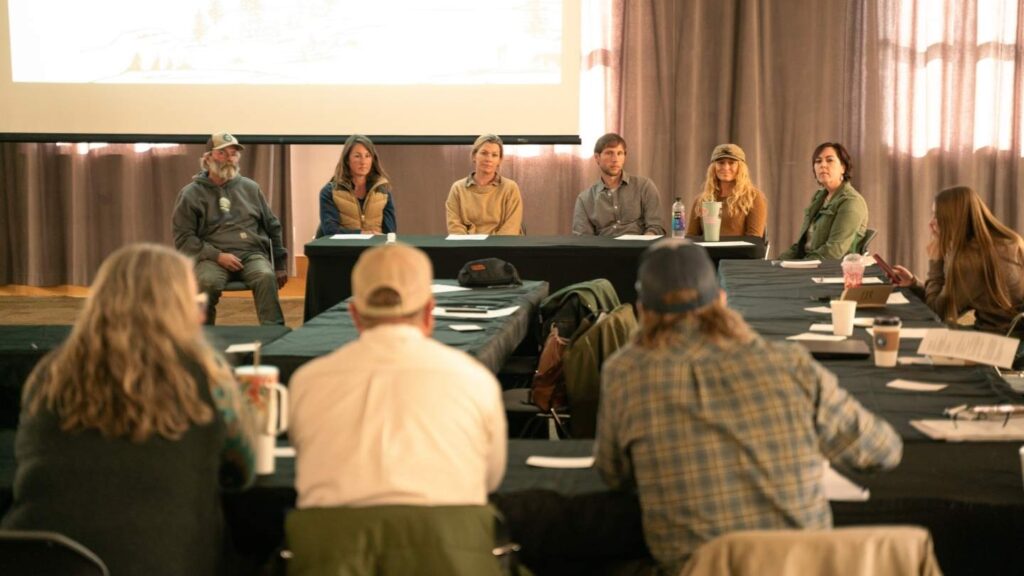
In the second panel of the day, Montana Fish, Wildlife & Parks wolf managers and ranchers discussed how interactions between wildlife agencies and producers dealing with depredation can work. The addition of wolves and bears on the landscape has challenged ranchers across Montana. And with new challenges comes changes to the stories those in agriculture tell about their land and themselves.
Malou Anderson, another rancher in the Tom Miner Basin, said her ranch stopped running sheep due to issues with predators. Now they run their own cattle alongside custom grazing contracts. But to make that shift from sheep to cattle, Anderson said she had to realize the importance of the story happening all around her. She is looking for range riders who can do the same.
“I’m looking for if you can walk out with humility, if you’re someone who can observe the story unfolding on land and be part of that story … someone humble enough to fold themselves into a story knowing we are both predator and prey,” Anderson said.
Track and Sign
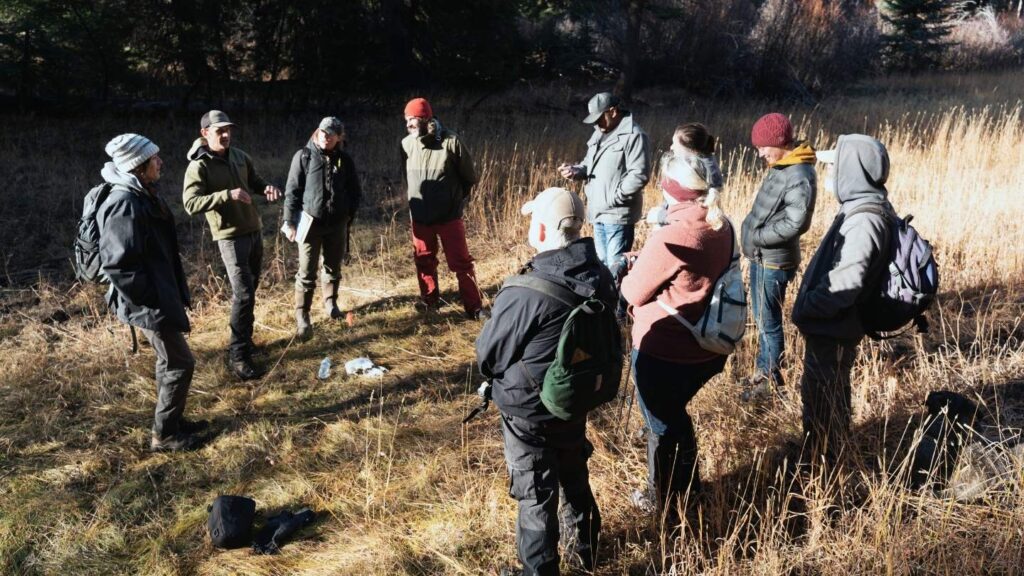
Casey McFarland of Cyber Tracker North America does not let his students acclimate themselves slowly to reading tracks or signs left behind by carnivores and ungulates. Whatever skills folks have are immediately put to the test.
McFarland is an expert wildlife tracker, who has been hosting track and sign evaluation around the world for over ten years with Cyber Tracker. When working out in the field, he both teaches how collect evidence across the landscape to build a picture of wildlife and livestock movement, while evaluating skills of participants.
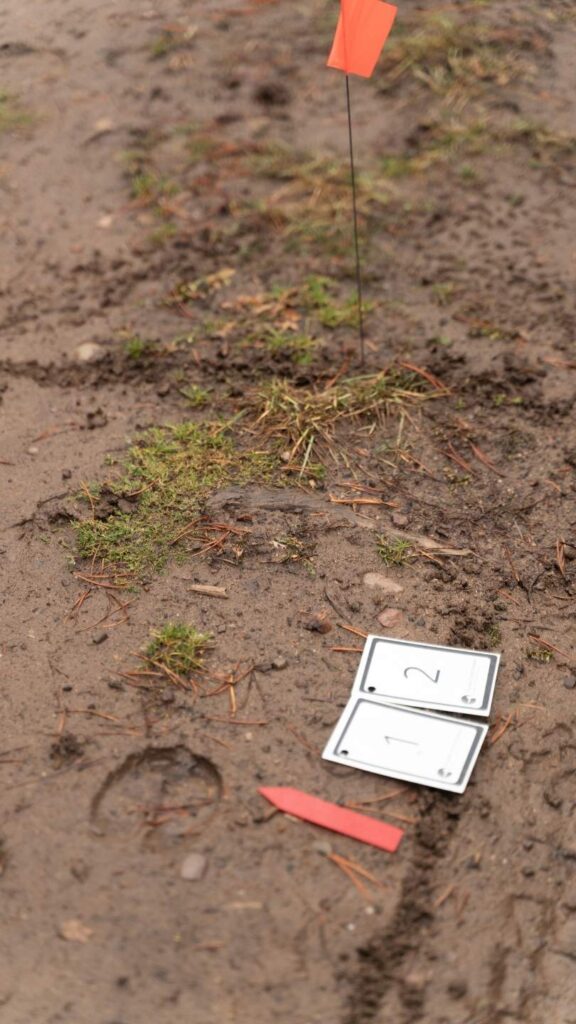
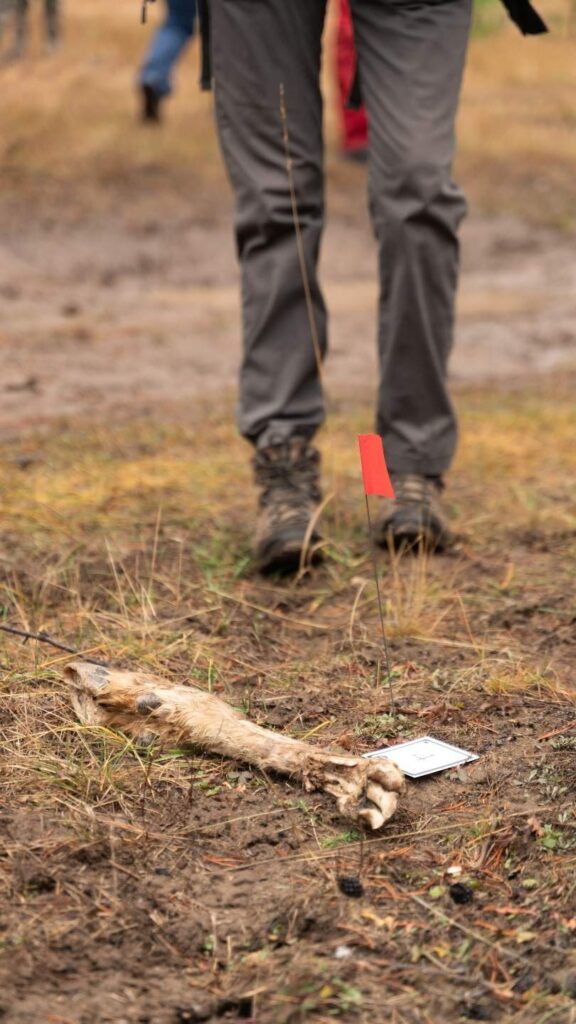
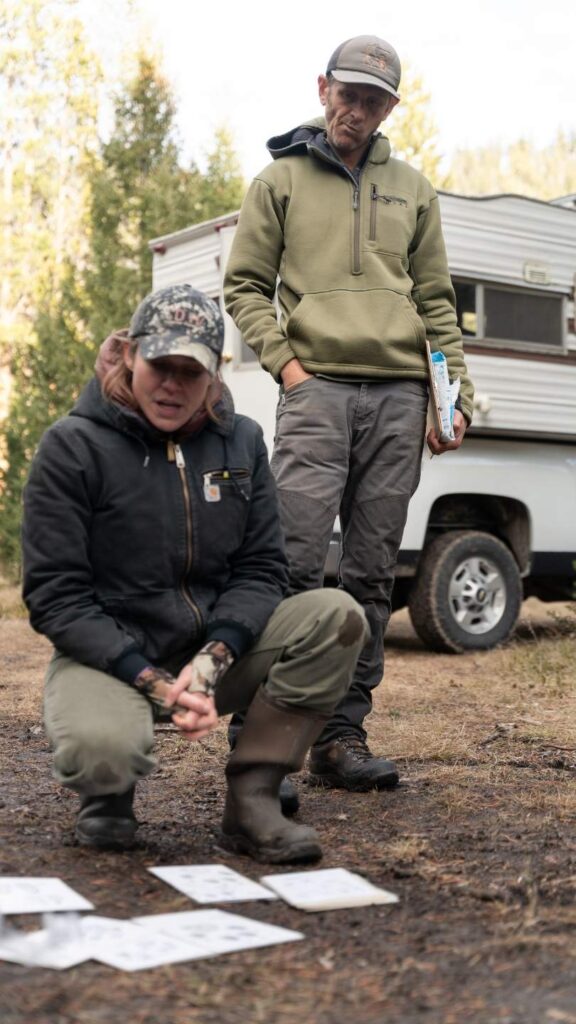
A wet and rainy fall day In the Pioneer range started off with an evaluation of how well the four current range riders, two prospective range riders, and a livestock producer could read the sign on the ground. McFarland listened and then explained what the most likely incident was, according to his expert reading of the track and sign.
The group investigated elk and deer sign, tracked a large tom mountain lion that had left scrapes and scat, perused river otter sign, and even saw a tree a black bear had climbed up in a hurry.
Rae Nickerson connected this skill-building exercise back to range riding, and how the information provided from all of these tracks and signs can be used to make better decisions for livestock.
“Understanding predators’ and ungulates’ track and sign is an essential skill for range riders, because this information can provide a snapshot of when and where carnivores are moving, inform understanding of predation risks, and allows range riders to make decisions that reduce that risk,” said Matt Collins, WLA’s Working Wild Challenge manager. “Better range riding means better outcomes for a ranch’s economic well-being and for wildlife.”
RANGE RIDING IN PRACTICE
- Monitor predator and/or prey species activity, and applying prevention/deterrents appropriately
- Deter predators actively or passively
- Monitor livestock health and behavior
- Optimize forage use and enhancing range and riparian habitat condition through the implementation of a grazing management plan
- Manage livestock to increase resilience to predation (e.g., grouping/herding)