The Wonderful, Unbelievable, (Kind of) Automatic Irrigation Tarp!
The short growing season of the Upper Gunnison River watershed means producers need to work fast when they irrigate their fields. Through the work of Trout Unlimited and Colorado State University, farmers and ranchers are now working smarter, not harder.
Jesse Kruthaupt is the project manager behind a new tool nicknamed the “auto-tarp,” a device that can be scheduled to turn flood irrigation on or off from a cell phone. The device costs $300 per headgate (or less if ordered in bulk), but it can save hours of time in the speedy high-altitude growing season.
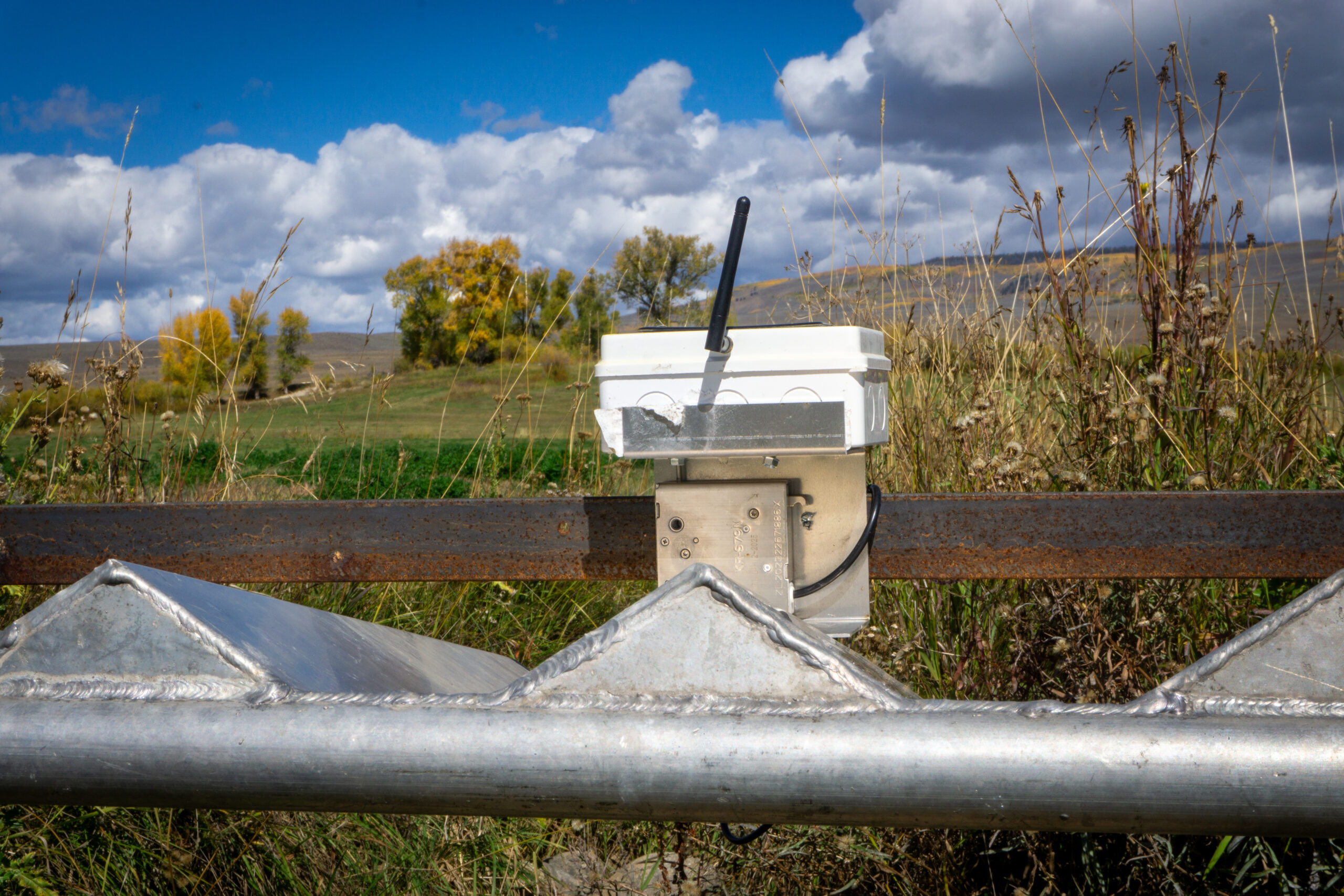
“How it works is a mechanized latch. That latch that is triggered by a pulse of energy, with a capacitator in there that boosts up the energy that fires and triggers the latch. You can retrofit these individual boxes with the latch mechanism to an existing gate check structure,” Kruthaupt said. The latch lets the piece of steel or angle iron drop into the ditch, and the landowner can set a sequence of ditch drops over hours or days.
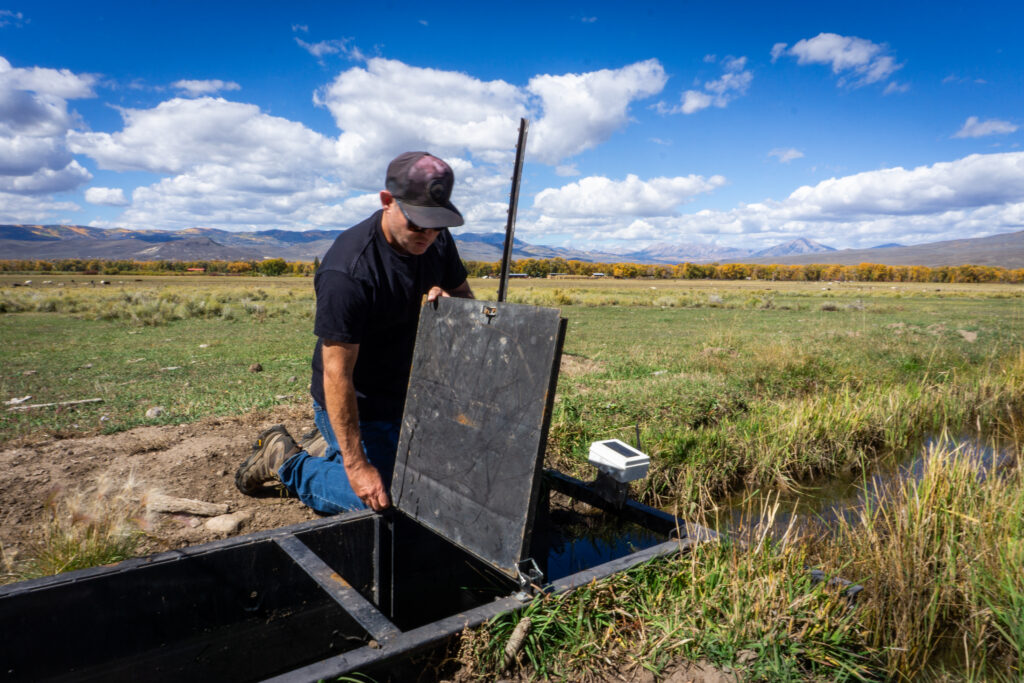
“If you have all the stuff set up, it just takes a couple of minutes to put on,” Kruthaupt said.
Kruthaupt, Trout Unlimited’s Colorado restoration manager, has been working in the Upper Gunnison River for years. This high-altitude area resists normal irrigation efficiency suggestions, as farmers and ranchers are attempting to grow alfalfa and hay for their own use in the June-August growing season. Upgrading to an expensive pivot system makes little sense due to the cold and the fact the hay and alfalfa are not crops for market. Tack on a strong land conservation ethic, neighborly concern, and the fact that adding a pivot somewhere in the system could create a domino-effect of ditch-moving, and flood irrigation begins to make the most sense for this set of producers.
Flood irrigation’s slowness has some great benefits, too—producers get to know their property better when they roam it more slowly, and flooding provides a significant number of positive ecological services, including migratory bird habitat and stream return flows in the heat of summer. The auto-tarp makes all of that simpler by dint of ingenuity.
In this neck of the woods, flood irrigation is mostly moving tarpaulins from one spot in a ditch to another, causing water to stop and overflow its banks and irrigate the land around it. It can be a time-consuming process, even with more advanced mechanical headgates. Producers still need to drive around the property, check the water is going where it ought, and respond quickly when calls are made to stop taking water from a stream. Flood irrigation’s slowness has some great benefits, too—producers get to know their property better when they roam it more slowly, and flooding provides a significant number of positive ecological services, including migratory bird habitat and stream return flows in the heat of summer. The auto-tarp makes all of that simpler by dint of ingenuity.
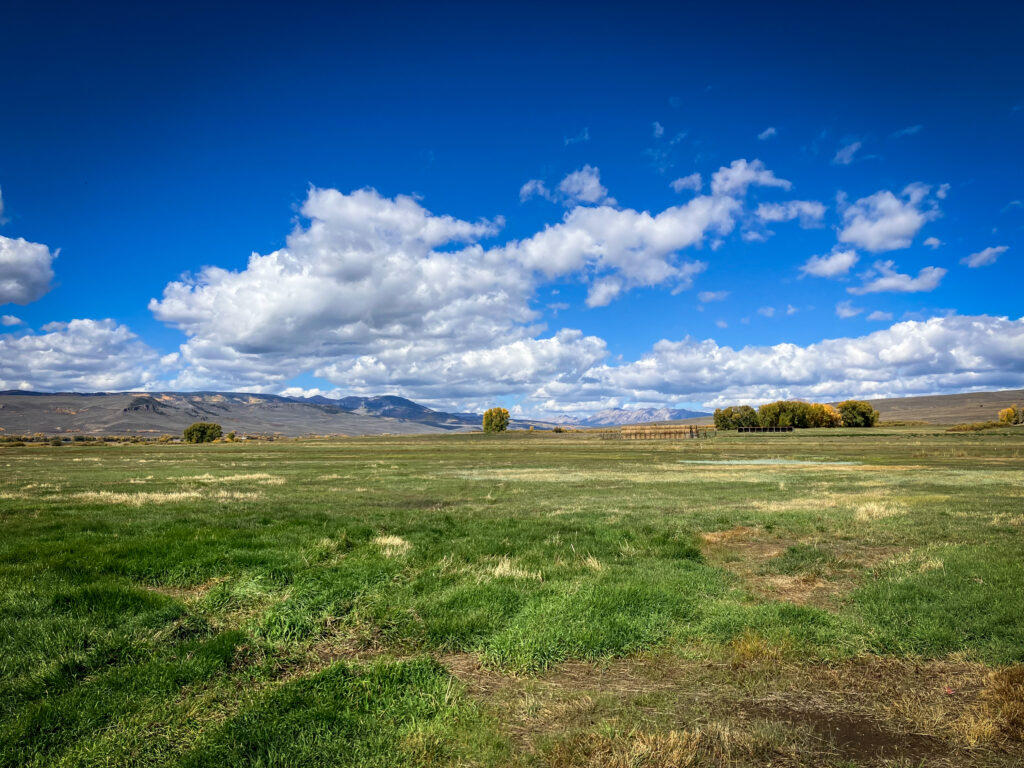
“The first case in the field we have really focused on five 24-hour sets, which meant the landowner wouldn’t have to go back there for five days,” Kruthaupt said. Changing from tarps to an auto-tarp system can be more expensive, he acknowledged, especially as installing new check structures can run anywhere between $1,000 and $1,800 if built to NRCS specifications. Jerry-rigging a new gate structure, however, might just be materials and labor costs, which would be a definite savings.
While the auto-tarp system might be for just a subset of producers, it offers an opportunity to make irrigation a much easier task for those landowners. Working smarter in those contexts might just involve a remote-controlled mechanized latch.