A Bar of Soap, an Onion Bag, and One Smart Beaver Deterrent
During a recent “Bringing Water Back to the Land” webinar, panelist Chris King dropped one of the more unusual steward tips we have heard of into the conversation in regard to halting beaver construction on important irrigation infrastructure.
Beavers love blocking up the narrow space in front of a headgate or diversion structure, and getting rid of dams is painful and expensive. Finding a deterrent for this important—and annoying—rodent is tricky. But at the Joe C. King & Sons ranch in Winnett, Montana, they use something cheap and easy to procure: a bar of laundry soap.
“It’s something I learned from my dad, he’d been doing it since I was a kid, so I think we’ve been doing it for about 60 or 70 years,” King said about the trick.
King suspends a plastic net sack like one used to bag onions in the grocery store, with a bar of Fels-Naphtha laundry soap inside, to make a pretty effective beaver deterrent for small, low-gradient irrigation infrastructure. According to King, a bar of Dial works too. [ed. note: Because soap, even “biodegradable” brands, can harm aquatic life, it’s best to avoid deploying on natural stream reaches.]
The Joe C. King & Sons ranch is a cow/calf operation in the heart of Montana. With a water right dating back to 1883, irrigation has a long history on the property, even though 95% of the ranch remains native rangelands. King estimates about 800-900 acres of hay meadows are under irrigation growing feed for their cattle. Keeping those meadows irrigated is a key component of the ranch’s strategy.
“[My dad] would throw a pole across the channel, tie some bar twine on there, and dangle it down into the surface of the water … at least 10 feet upstream from where the headgate is,” King said, “I don’t know if it burns their eyes, or smells bad, and it’s not 100% effective but most of the time it works.”
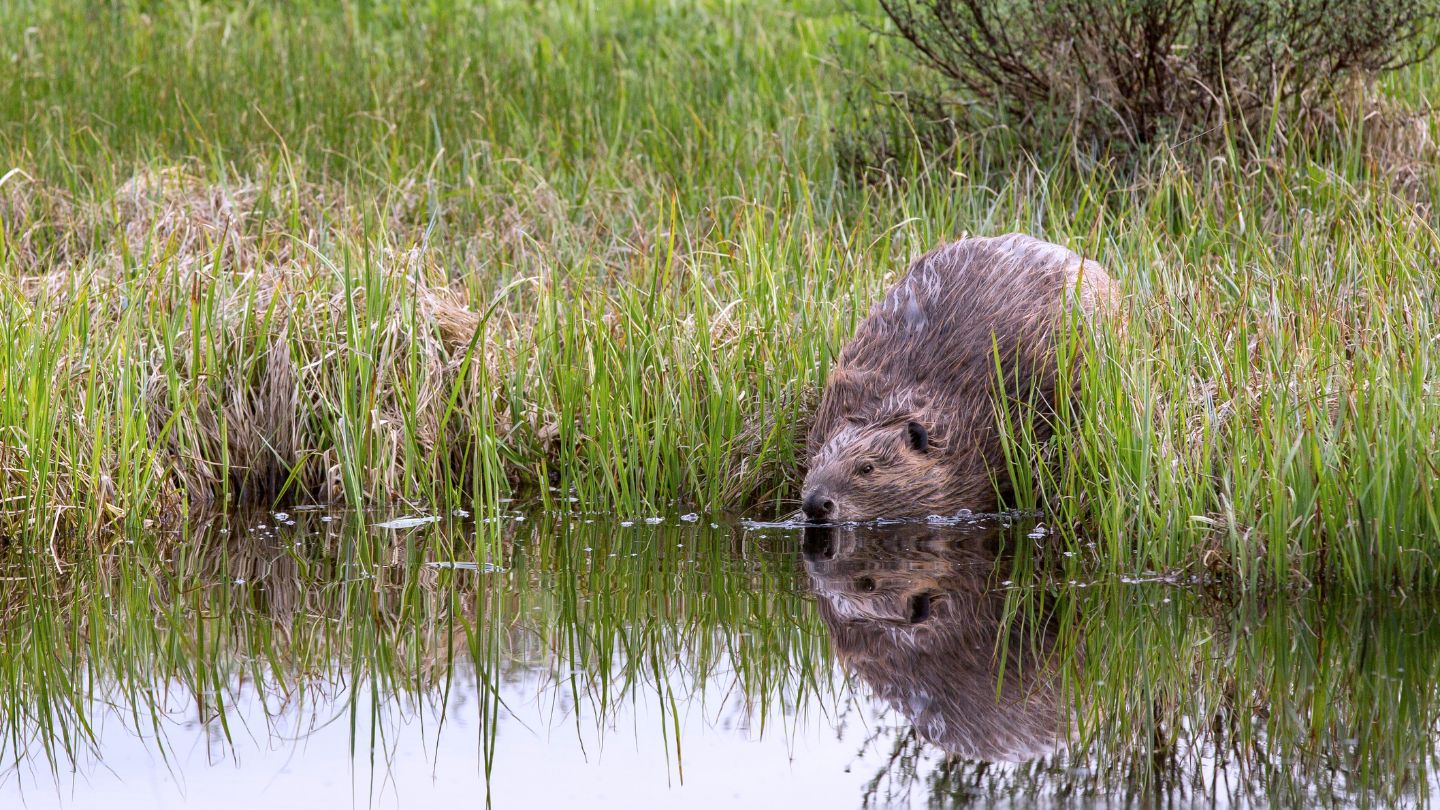
Beavers are extremely important pieces of the conservation puzzle for riparian areas. They keep water on the land, reconnect waterways, reduce erosion, and otherwise maintain valuable ecosystems. But they are also talented problem-causers when it comes to water infrastructure. Between damming culverts, blocking headgates, and otherwise instinctually attempting to stop flowing water where humans do not want water to stop flowing, conflict with beavers is common.
Soap in a net doesn’t have quite the same ring to it as “soap on a rope”, but it’s a mostly effective, cheap and handy way of keeping the pesky side-effects of beavers from causing expensive issues, with at least a few producers seeing success with this tip. So, before the next time you check headgates, consider adding a bar or two of soap and an onion bag to your kit.