

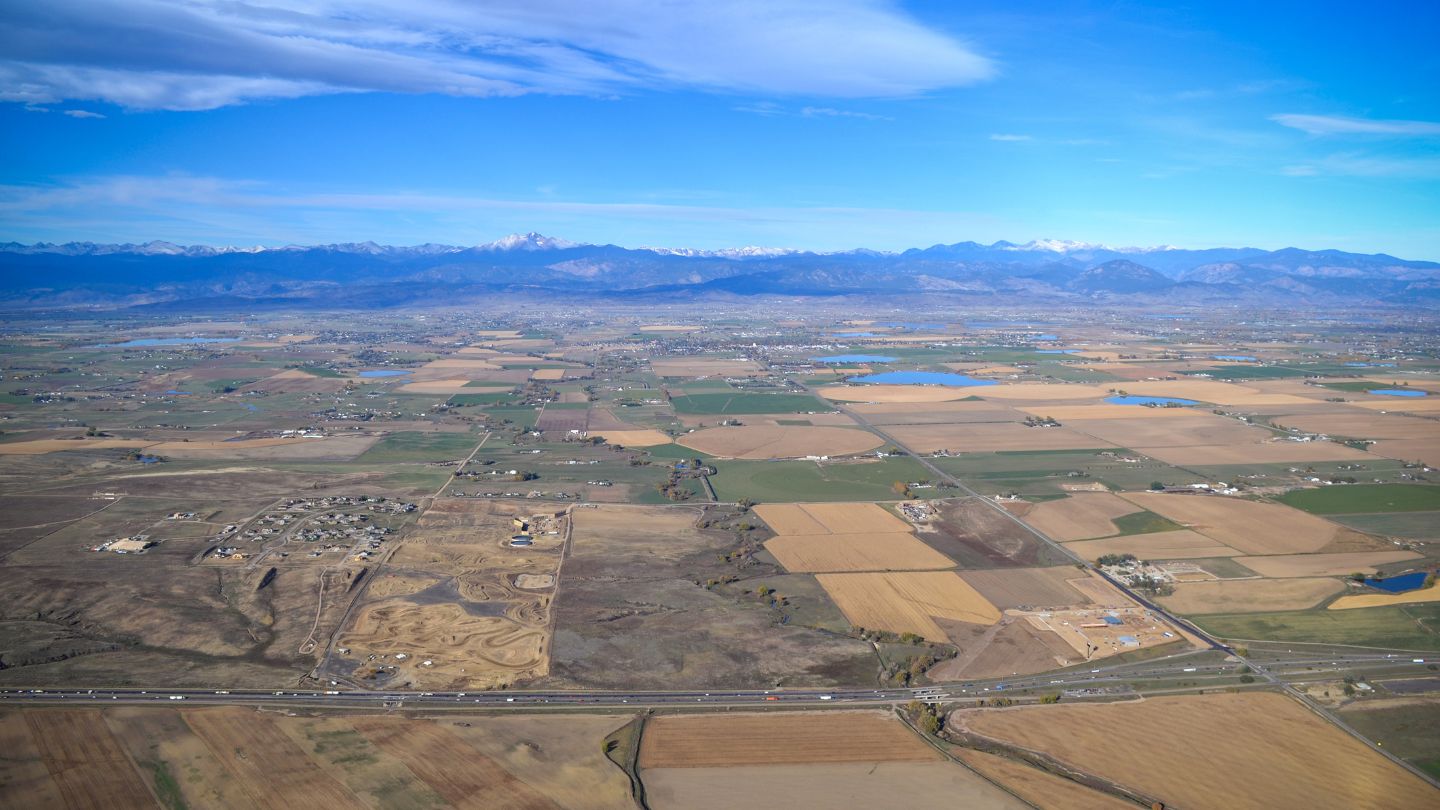
A recent study led by University of Montana professor Alexander Metcalf, published in Environmental Management, places private landowners squarely at the center of a familiar and often contentious debate. The study opens by noting that most wildlife habitat in the United States is privately owned, a reality the authors argue complicates management of wildlife held in public trust. According to the abstract, private landowners’ rights and interests can be “at odds” with those of trust beneficiaries.
Media coverage of the study has amplified this framing in ways that are misleading. In a Montana Free Press article titled “Two-thirds of Montana’s private land is in the hands of a few thousand owners,” Metcalf is quoted expressing surprise at the size of some holdings: “The graph never stops getting steeper… Thirteen owners own 15 percent of the private land in the state.” At first glance, this seems to indicate an accelerating consolidation of land ownership.
But consolidation is not what the study actually finds. In fact, the research shows that over the past two decades, the total acreage held by the largest landowners has changed only slightly, while the number of individual landowners has increased dramatically due to the development of medium to large size properties. Between 2004 and 2023, the number of individual private landowners grew by more than 50 percent—from just over 100,000 to more than 160,000—resulting in smaller average parcel sizes and increased fragmentation.
For those of us who live and work in the West, two realities are well understood: large private landholdings exist, and land fragmentation is increasing. What is striking is that the study and its coverage appear to criticize both realities simultaneously—raising concerns about landowners who keep large parcels intact, while also lamenting the ecological consequences when land is divided into smaller pieces.
The study also raises alarms over an increase in private lands owned by Limited Liability Corporations (LLCs). In reality, however, LLCs are a common and widely recommended legal structure for asset protection in an increasingly litigious environment. Attorneys routinely advise landowners to use LLCs to manage risk, facilitate succession planning, and protect personal privacy—concerns that are hardly unique to landowners.
For those of us who live and work in the West, two realities are well understood: large private landholdings exist, and land fragmentation is increasing. What is striking is that the study and its coverage appear to criticize both realities simultaneously—raising concerns about landowners who keep large parcels intact, while also lamenting the ecological consequences when land is divided into smaller pieces.
– Lesli Allison
There is no smoking gun here. The existence of large private landholdings, the subdivision of land, and the use of standard legal tools to protect assets and privacy are not evidence of wrongdoing or threats to the public interest. What the study does reveal, however, is the unresolved tension between the public trust doctrine and private property rights.
The authors ground their argument in the North American Model of Wildlife Management, a framework built on the principle that wildlife is held in trust for the public and funded largely through a user-pay system of hunting and fishing licenses. While this model has contributed enormously to wildlife conservation, it is notably silent on the role of private lands—despite the fact that most wildlife habitat in the United States is privately owned, managed, and paid for by landowners themselves.
Sportsmen rightly take pride in their contributions to conservation, but the equally significant financial and stewardship contributions of private landowners are often overlooked or taken for granted. Large, intact private lands deliver immense public benefits, from wildlife habitat to clean water and open space. Yet the study expresses unease with private ownership itself, asking whether landowners’ “level of control” is acceptable or whether the public trust doctrine demands more access and accountability.
That question deserves to be turned around. The individuals who invest their time, resources, and livelihoods in stewarding land make it possible for wildlife to persist at all. Meanwhile, the rest of society—by building homes, driving cars, consuming energy, and recreating—continues to displace habitat and wildlife. The average taxpayer contributes very little to land and habitat conservation, while the federal government faces a roughly $30 billion backlog in deferred maintenance on public lands alone.
Rather than confronting this reality, we often default to regulation. This shifts the burden to the landowner. While some amount of regulation is necessary, over-reliance on regulation can be ineffective and counterproductive. This is because while regulation can sometimes prevent harm, it cannot compel positive stewardship. For example, the Endangered Species Act may prohibit killing wildlife, but it cannot mandate habitat restoration or proactive conservation which are essential to species’ survival. Worse, regulatory burdens can exacerbate economic pressures on working lands, pushing landowners toward subdivision or sale—the very outcomes conservationists claim to oppose.
If we are serious about conserving land, wildlife, and natural resources, we must strengthen economic support for conservation and stewardship. Until we do so, this vital land base will continue to erode. The path forward is not fear-based narratives or suspicion of private ownership. It is partnership. We must recognize landowners as essential conservation partners and co-invest with those who have the capacity and commitment to steward land for shared benefit. At the same time, landowners must recognize their role within a broader landscape and community, and engage openly and responsibly as stewards of resources we all depend on.

Garth Reader
A very good article.