In drying West, hope for wetlands found on working lands, says new study
The warming climate in the American West is drying out wetlands at a greater scale than previously known. But where wetlands remain, and why, may surprise you.
A 2025 paper, “Going, going, gone: Landscape drying reduces wetland function across the American West,” published in Ecological Indicators used satellite imagery and cloud computing techniques to determine that the West has lost significantly more wetland between 1984 and 2023 than previously thought. Lead author Patrick Donnelly, a research scientist for Ducks Unlimited and affiliate faculty at the University of Montana, said climate change is mostly to blame.
“There’s a slide I show my students,” Donnelly said. “If you took the entire west and plotted out temperature anomalies from to 1900 to today, until you get to about 1986, it had even spread above and below average. But then in 1986, it went above average and stayed there. This is an important shift that suggests ecosystems in the West are no longer in a state of equilibrium.”
Wetlands disappearing faster than previously known
Donnelly and his team set out to measure how wetlands have been changing. They found bad news: wetlands were disappearing faster and more extensively than standard government models showed. Traditional monitoring by the United States Fish and Wildlife Service has shown only a 0.6% decrease in wetlands across the western United States since 1986.
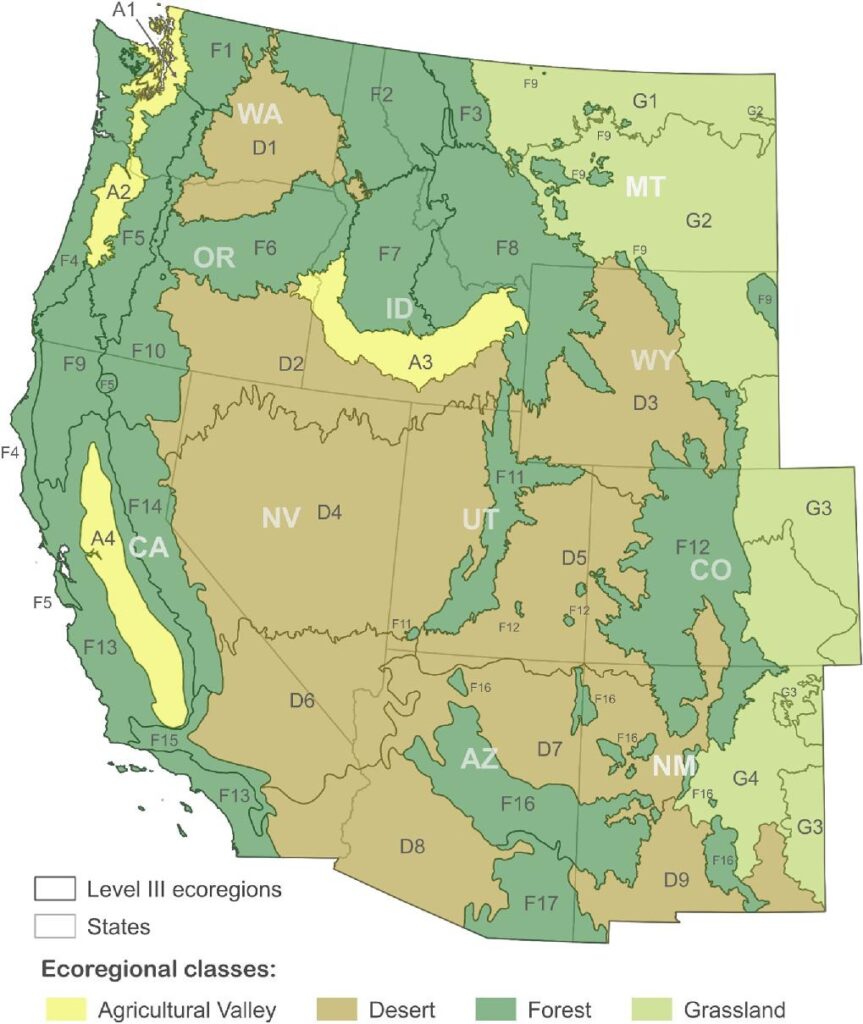
Donnelly’s study, however, shows vastly different results. In areas of Eastern Oregon for example, wetlands’ overall abundance has been reduced by 21%. The difference is a result of how wetland loss is measured. Instead of measuring if the wetland area was still on the landscape, Donnelly and his team measured how often and how long these areas were wet. They found the wetlands were still there, but water that once supported them has vanished. Overall, the study says, “shortened inundation periods reduced semi-permanent wetlands by 24%.”
Drying wetlands are a distinct negative for an ecosystem. The study showed that the loss of semi-permanent wetlands (i.e. wetlands that typically stay flooded all year), were a key indicator that larger-scale decline was on the horizon. This is bad news for wildlife. As the paper states, “Regionally, up to 80 percent of wildlife species are reliant on wetlands for all or part of their life cycles.”
Irrigating grass hay a key factor in maintaining functional wetlands
There was a positive finding that should be particularly interesting to landowners, however: “Agricultural water use was a significant contributor to wetland ecosystems, accounting for approximately half of wetland abundance during the study period.”
Agriculture, which historically drove the loss of more than 45% of freshwater wetlands in the Western U.S., is now a key “catalyst” for positive wetland trends, according to the Donnelly and his co-authors.
In some regions of the West, producers are vital for seasonal wetland existence, the study found. Flood irrigated grass or hay fields provide enormous value for migratory birds and other animals that rely on this kind of habitat. While agricultural water use sustains many wetlands, the paper notes that increased irrigation diversions can at times reduce stream flows and stress aquatic ecosystems if not carefully managed. In places like the Green River, Donnelly said, it appears that producers are adapting their irrigation practices to combat the effects of a drying, warming climate on their yields. That in turn leads to more seasonal wetland abundance.
“Producers are acting in kind to change that whole trajectory,” Donnelly said.
Both geography and policy matter
While there is more temporary wetland habitat in the Upper Green, down in the San Luis Valley in Colorado, policy roadblocks have led to a significant wetland drying cycle. Because groundwater pumping is linked to surface water rights to monitor the San Luis aquifer, producers are unable to put the same amount of water onto the landscape as they once did.
“On those landscapes we have seen a complete unraveling of wetlands … With no flexibility for producers to adapt, it all crashes,” Donnelly said.
When landscapes dry, ecosystems can radically change. According to Donnelly’s paper, the decline measured in this study is an early indicator of both intensifying drought and the negative ecological impacts of disappearing wetlands. And producers are an important part of keeping the ecosystem services of wetlands around for longer.
“At Ducks Unlimited, our understanding and focus includes the importance of producers in the West,” Donnelly said. “Producers are key when it comes to sustaining ecosystems in a drying climate.”
Read the Study
Donnelly, P. J., Moore, J.N., Kimball, J.S., Jencso, K, Petrie, M, & Naugle, D.E. (2025). Going, going, gone: Landscape drying reduces wetland function across the American West. Ecological Indicators, 171, 113172. https://doi.org/10.1016/j.ecolind.2025.113172