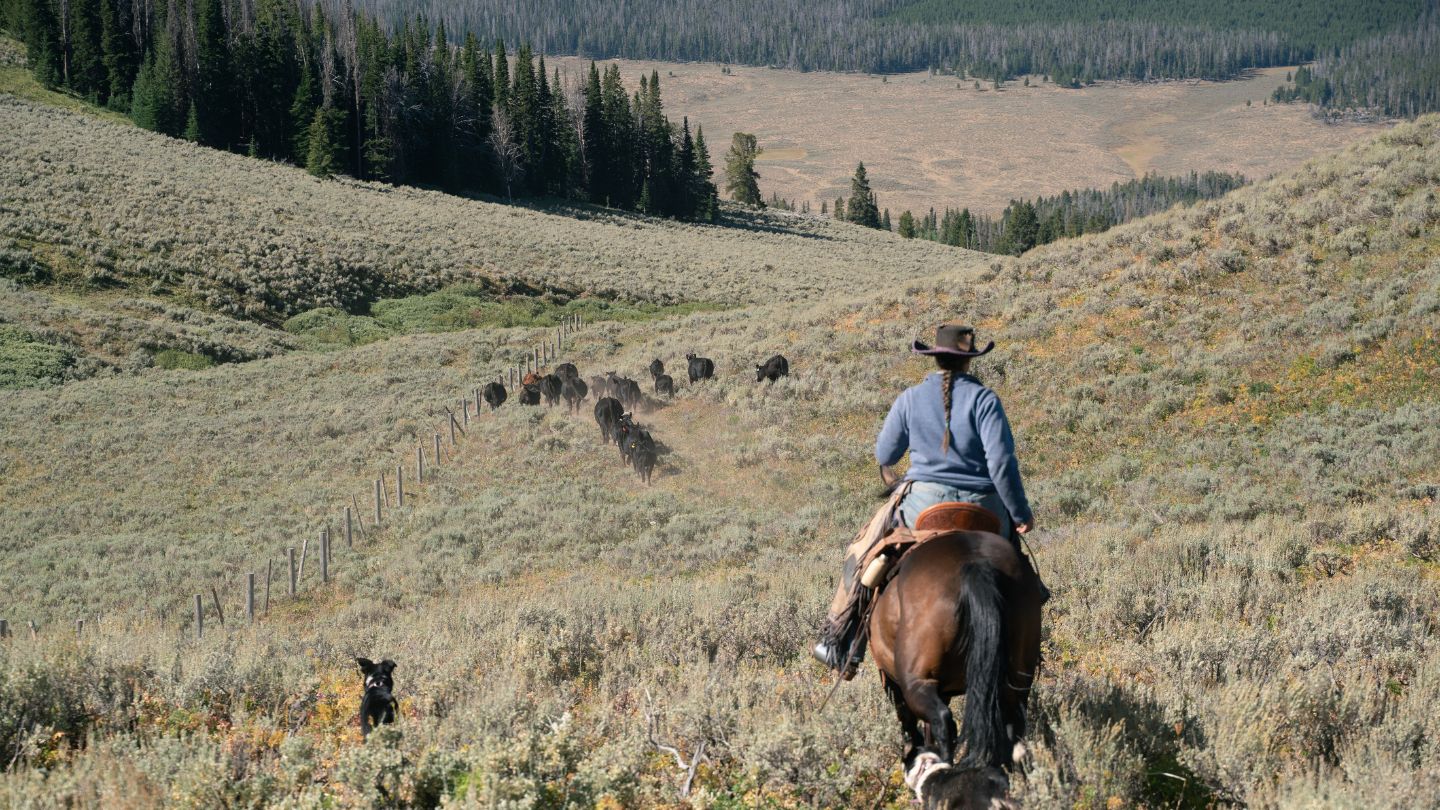
Public land grazing is vital for a healthy America, for wildlife and people
ProPublica, together with High Country News, recently published articles that don’t tell the whole story behind federal lands grazing. The series suggests that ranchers utilizing federal lands are mostly the ultrawealthy, who are being subsidized to destroy these federal lands through constant overgrazing. This article would suggest that the social and ecological costs of federal land grazing far outweigh the benefits.
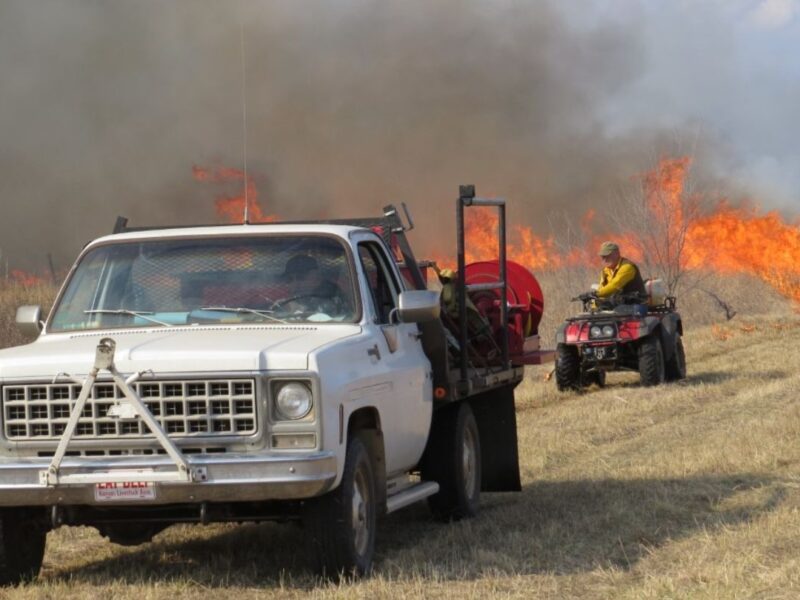
However, a substantial body of research demonstrates that federal land grazing can provide important ecological and social benefits, and that the loss of ranching from these landscapes could have far-reaching consequences. Targeted strategic grazing can have many ecological benefits such as, reducing invasive plants and increasing plant species richness, enhancing wildlife habitat and biodiversity, mitigating wildfire risk, and sustaining ecosystem services. Working landscapes play a critical role in maintaining biodiversity, supporting rural communities, and facilitating landscape connectivity; the loss of ranching could therefore undermine both community resilience and conservation outcomes. Reduced access to federal grazing allotments may also intensify land-use pressures on private lands, increasing the likelihood of conversion to cropland, exurban development, or other forms of fragmentation that negatively affect habitat and ecosystem function. Conservation policies that conflict with the values, livelihoods, or operational viability of ranchers risk eroding social and political support for conservation, potentially weakening long-term stewardship outcomes.
Grazing on federal lands also supports a significant amount of economic activity across the United States. Although only about 35% of 640 million acres of public land in the U.S. has livestock grazing, these grazed federal lands produce over $1 billion in livestock sales.
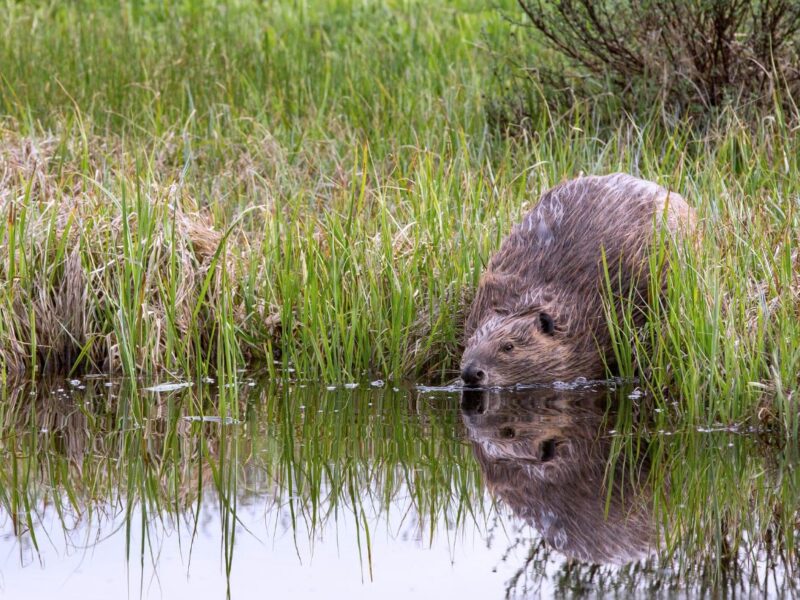
The iconic wildlife and landscapes of the American West are supported and held together by the ranchers who manage these working lands and keep them intact. Big game migrations, critical sage grouse and prairie chicken habitat, and the return of grizzlies and wolves depend on private working landscapes that promote habitat connectivity. The elimination of federal land grazing would also further pressure private land, which often has more productive soils and species richness than public lands.
Grazing on federal lands also supports a significant amount of economic activity across the United States. Although only about 35% of 640 million acres of public land in the U.S. has livestock grazing, these grazed federal lands produce over $1 billion in livestock sales. Federal rangelands nationally contribute an estimated $3.7 billion in ecosystem services – approximately $20.16 per public acre grazed.
There is an old adage that “A nation that cannot feed itself is not truly free”. The U.S. is losing ranch and farmland to other uses at an incredible rate. Overall, the U.S. is losing about 2,000 acres of farmland daily, or roughly 730,000 acres per year, to non-agricultural uses. The erosion of agricultural land to other uses threatens not only the U.S. cowherd, but it threatens rural communities and the wildlife that depend on these ranches. The loss of federal land grazing would only accelerate the conversion of this precious land resource.
ProPublica infers that federal land ranchers are dominated by the very rich. However, those of us that live in these small rural communities of the West know that is inaccurate. There are many 4th-8th generation ranch families on the landscape utilizing federal grazing permits. In fact, federal grazing permits provide important, affordable access to land for agricultural production to those who are not wealthy, including young producers.
Multiple use public lands were reserved to support a variety of natural resource needs as well as providing recreational opportunities and access to nature, all of which have impacts. What’s important in the end is that whether we are hiking, mountain biking, skiing, grazing, harvesting wood products or producing energy, we do our best to care for these lands and resources because they belong to and support us all.
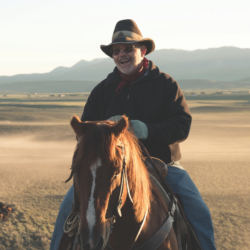
Albert Sommers is a fourth generation rancher who utilizes federal grazing allotments in Sublette County, Wyoming. He served as a Wyoming state representative for 12 years, culminating as the 66th speaker of the Wyoming House of Representatives from 2023 to 2024.
Lesli Allison is the CEO of the Western Landowners Alliance. For 16 years she served as manager of a large private ranch in northern New Mexico. She lives just outside of Santa Fe, New Mexico.