

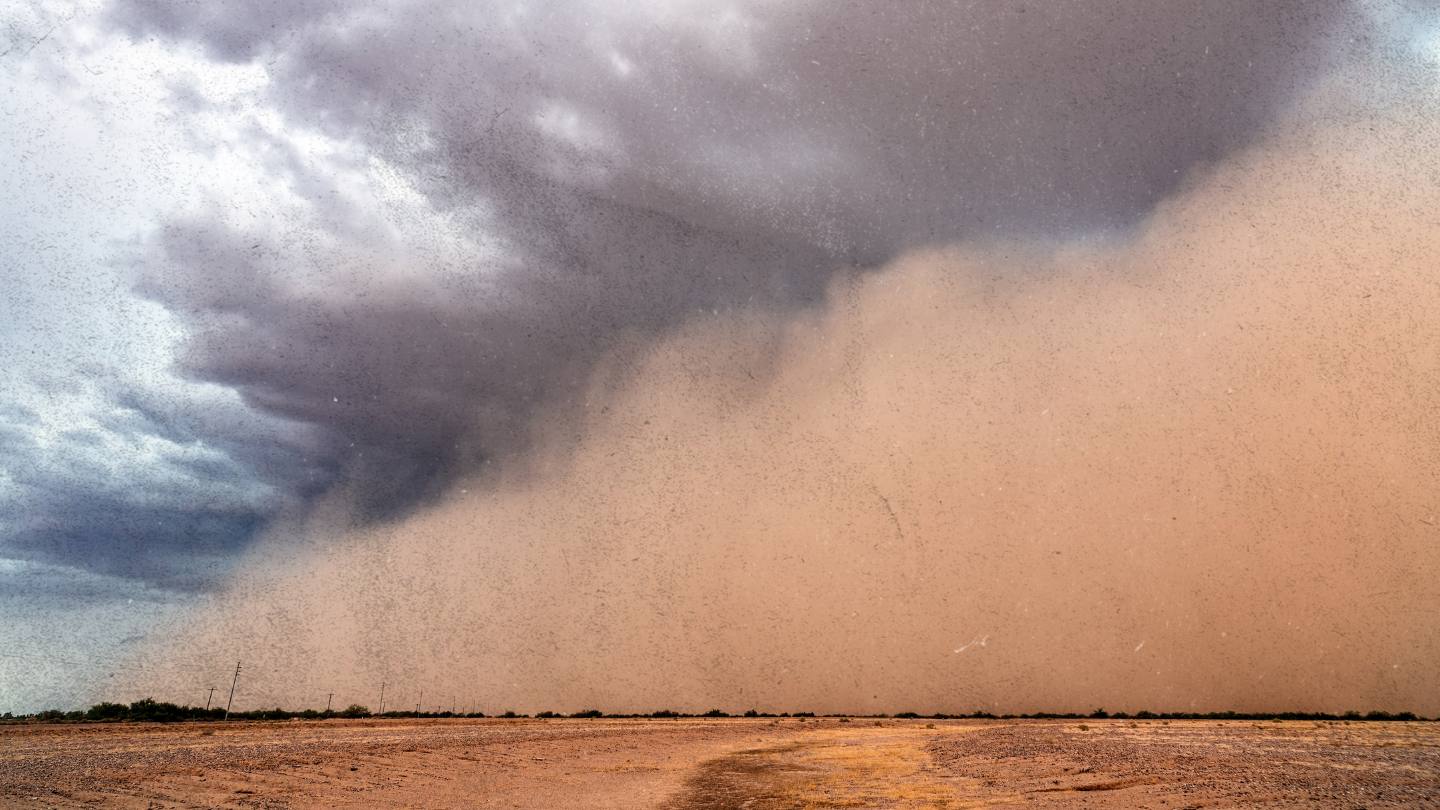
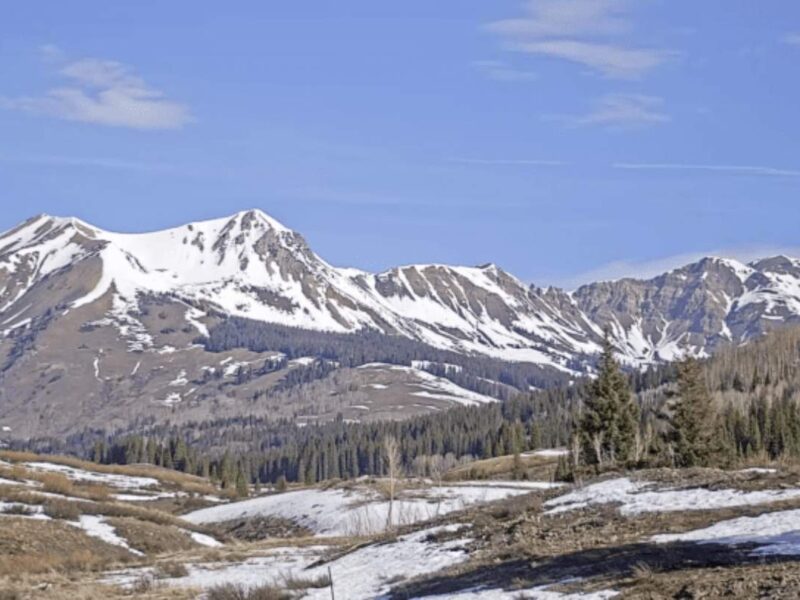
We’ve all read the innumerable news articles about the looming catastrophe on the Colorado River. The Upper and Lower Basins have failed to find a compromise, they’ve blown past multiple deadlines to come to agreement, and the federal government is threatening to impose a solution that may or may not go far enough to protect critical water delivery infrastructure. None of the federal alternatives in the draft Environmental Impact Statement performs acceptably under dry or critically dry conditions; exactly the conditions the basin is currently experiencing. A severe heatwave may decimate what little snowpack remains. However, the basin is even less prepared for the coming summer than this alone would imply, and the human and ecological consequences of inaction will fall hardest on the agricultural landowners and rural communities whose lives are built around this water.
The severe snow drought currently gripping the basin is already leading municipalities to implement water use restrictions. Those that have not yet done so are actively evaluating when to begin. But among the most significant impacts the basin will experience this summer, and will experience in the dry summers to come, is the loss of irrigation water early in the growing season. This is not a distant hypothetical. Farmers and ranchers across the basin are already being asked to accept curtailments, and many face the real prospect of fields going unirrigated at the very moment crops need water most. These are people who have invested generations of labor and capital into the land. They deserve both our honest acknowledgment of the crisis and a genuine commitment to helping them navigate it.
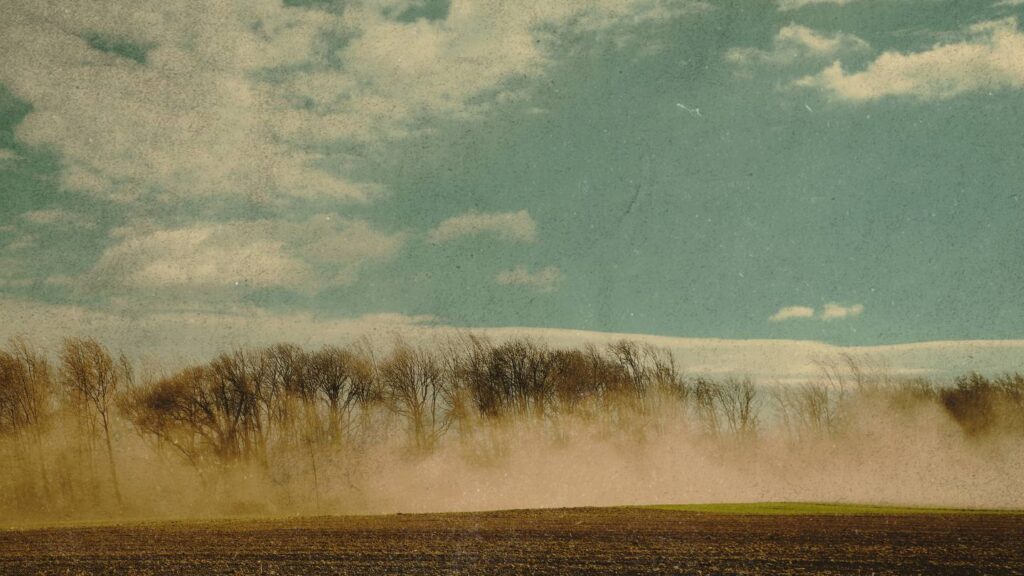
Fully — or even partially — fallowing fields without first transitioning them to native, drought-tolerant cover crops or plants produces a cascade of harmful effects.
The True Cost of Unmanaged Fallowing
The impacts of removing water from land that has been adapted to agricultural production without proper transition planning and support are far-ranging and could cause severe ecological, economic, and societal disturbances. Fully — or even partially — fallowing fields without first transitioning them to native, drought-tolerant cover crops or plants produces a cascade of harmful effects:
- Increased dust storms and regional air quality degradation and dust on snow,
- Formation of heat islands on bare, unprotected soils,
- Intensified localized wind events driven by superheated surface temperatures,
- Increased evaporation in surrounding fields due to elevated heat and wind exposure,
- Proliferation of noxious weeds that are costly to control and spread to neighboring lands,
- Degraded soil health and loss of the microbial communities that sustain productive agriculture,
- Long-term reduction in soil water absorption capacity, compounding future drought vulnerability.
Studies indicate that a fully fallowed field may take as much as three years to fully recover to its pre-fallowing production rates. These impacts can also contribute to decreased runoff into the river system, further exacerbating the very water shortage that triggered fallowing in the first place. In other words, abrupt, unmanaged fallowing does not just harm landowners, it can actively worsen the basin’s water situation.
It would be a mistake to treat agricultural water users as obstacles to balancing the system rather than as essential partners in it. Farmers and ranchers did not create this crisis. They operate under water rights frameworks that predate current conditions and have made long-term capital investments on the basis of those rights. At the same time, the mathematics of the Colorado River’s overallocation do not care about historical rights. Water cuts are coming. The only question is whether those cuts are managed in ways that protect landowners and the land, or are imposed so carelessly that they cause lasting economic and ecological harm.
Protecting human life and ensuring reliable municipal water supplies will undoubtedly remain the top priorities. But these goals and the goal of supporting landowners through transition are not in conflict—they are complementary. A managed, well-supported transition preserves the long-term health and productive capacity of the land and the communities that depend on it, while also protecting downstream water availability. An unmanaged one leaves everyone worse off.
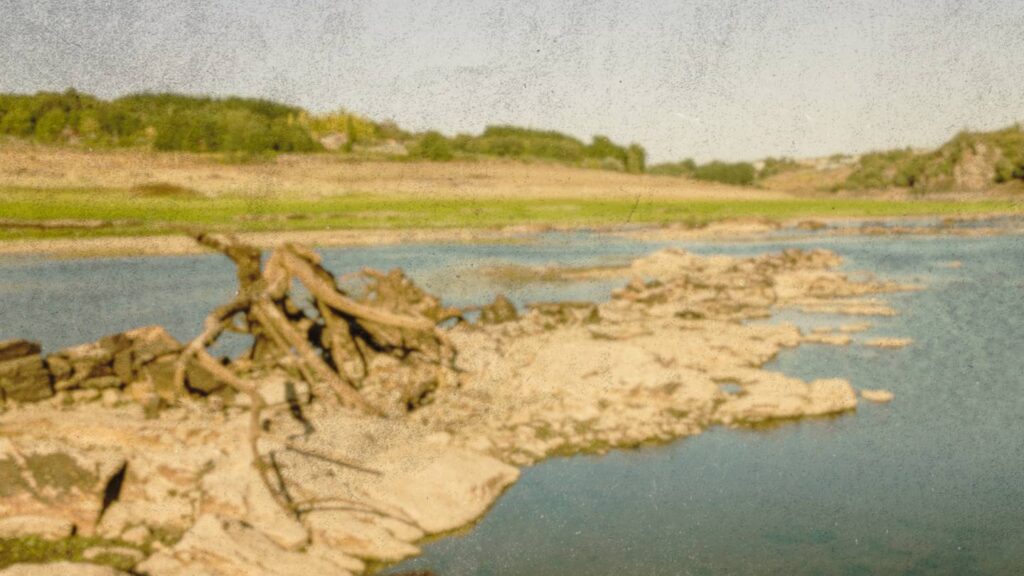
In order to avoid the worst impacts of losing irrigation early in the growing season, early adaptation to decreased water supplies is vital. The window to act is now, not after the next failed monsoon or the next round of reservoir declines.
Early Adaptation Is the Key
In order to avoid the worst impacts of losing irrigation early in the growing season, early adaptation to decreased water supplies is vital. It takes time, planning, and yes, water to establish native plants and protect soils. If we wait until the water is gone, it is too late. The window to act is now, not after the next failed monsoon or the next round of reservoir declines.
The good years – when snowpack is adequate, reservoirs are comfortably above crisis levels, and irrigation water allocations near full – should not be treated as a return to normal. They are opportunities. Every wet year is a chance to restore marginally productive lands to native vegetation, to transition away from the most water-intensive crops on the most vulnerable soils, and to build the resilience that will carry communities through the dry years that will inevitably follow. We must stop managing western water and land for the good years and start managing for the bad ones.
A Path Forward: Targeted Transition, Targeted Support
By encouraging and actively supporting early transition to native plant species on marginally productive agricultural land, while prioritizing continued water delivery to only the most productive lands, we can accomplish two things at once: reducing the ecological damage of fallowing and stretching limited water supplies further across the basin. This is not a radical proposal. It is a practical recognition that some land was always going to be the first to come out of production as water supplies decline, and that doing so thoughtfully is far better than doing so in crisis mode.
Effective transition programs must include direct financial compensation for landowners who voluntarily retire water rights or shift to lower-consumption uses. They must provide technical assistance for establishing native vegetation and improving soil health. They must be structured to reward early action rather than penalizing those who planned ahead. And they must be honest: the water cuts are real, they are coming, and the role of policy is not to pretend otherwise but to ensure that the burden of adjustment is shared fairly and that landowners are not left to absorb the costs alone.
The Colorado River Basin faces a reckoning that has been building for decades. The question before us now is not whether change will come to western agriculture, but whether that change will be managed with foresight and fairness or imposed through crisis and neglect. Landowners deserve better than the latter. So does the river.

Katherine Fauske Maynard
Thank you WLA and Morgan for capturing the essence of our drought dilemma. We are attempting to manage and implement practices to avoid policies being implemented – but it may not be enough, or soon enough.